Top Emergency Plumbers in Nisswa, MN, 56468 | Compare & Call

There are 36 plumbing companies server in Nisswa MN

As a certified home inspector with over 11 years of experience, I help Foley homeowners make confident decisions about their biggest investment. My approach is rooted in a deep understanding of Minnes...
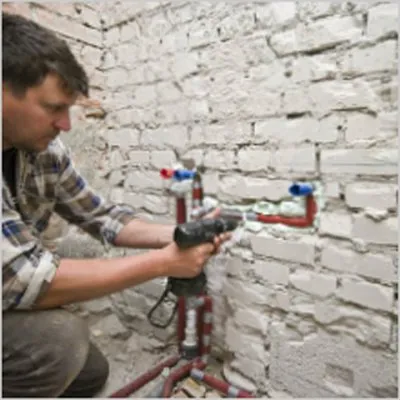
Since 2004, McGuire Mechanical has been the trusted, family-owned mechanical contractor for Aitkin, Minnesota, and the surrounding region. We provide comprehensive solutions for your home or business,...
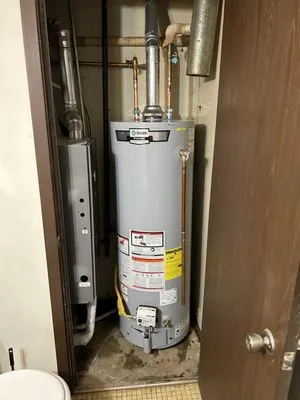
DB Plumbing LLC is a family-owned and operated plumbing business serving the Brainerd, MN area with over 25 years of experience. As a licensed plumbing service, we specialize in comprehensive solution...
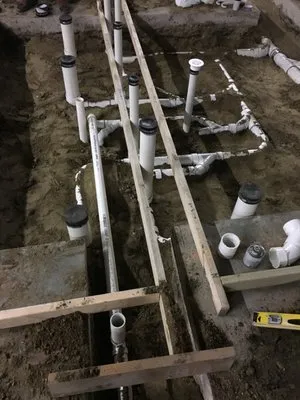
I'm the owner and sole Master Plumber at Pipe Dream Plumbing, proudly serving the Brainerd/Lakes area. Licensed, bonded, and insured, I provide reliable plumbing services for homes, restaurants, and b...
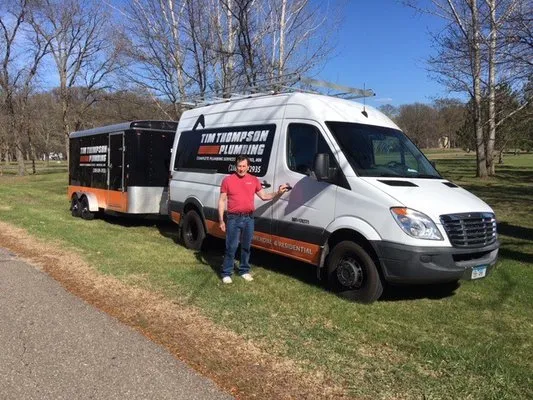
Tim Thompson Plumbing has been a trusted plumbing service in Brainerd, MN, for over 35 years. As a licensed plumbing company, we specialize in both residential and commercial plumbing, with a focus on...
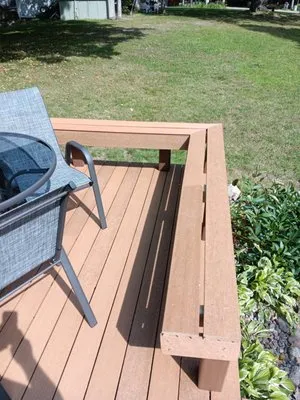
Pete's Handi-man Services provides reliable home inspection and maintenance for Brainerd residents. Understanding the specific challenges in our area, such as pipe joint leaks and kitchen grease clogs...
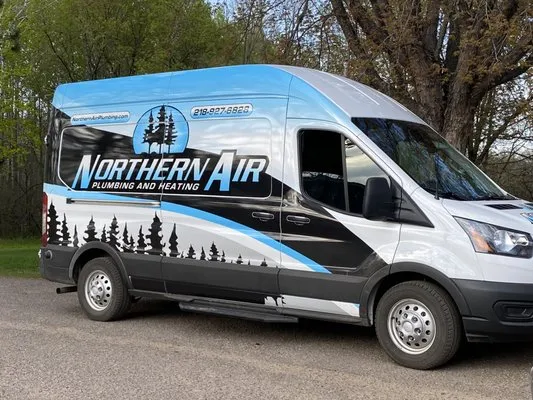
Northern Air Plumbing & Heating
Northern Air Plumbing & Heating is a trusted, locally-owned and operated business serving Aitkin, McGregor, Garrison, Brainerd, and the surrounding communities. Owned by Joe Bates, who brings over two...
Phil's Heating & Air Conditioning
Phil's Heating & Air Conditioning has been serving Brainerd, MN, with reliable HVAC and plumbing solutions for years. Our team is dedicated to putting our clients' needs first, offering friendly servi...

Lakes Area Plumbing is a family-owned and operated business serving the Brainerd Lakes Area from its home base in Merrifield, MN, since 2002. We provide comprehensive solutions for your home's plumbin...
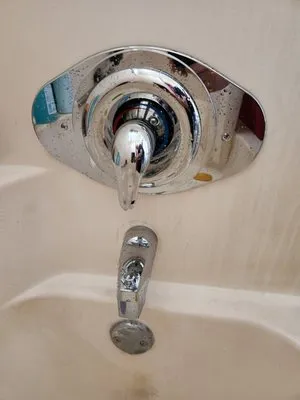
Service Today! has been a trusted name in Minnesota's home comfort industry since 2002, bringing reliable HVAC solutions to homeowners. In 2013, we proudly expanded our service to the Brainerd Lakes a...
Estimated Plumbing Costs in Nisswa, MN
Questions and Answers
What should I do before spring thaw to prevent plumbing problems?
Before temperatures rise above freezing, disconnect and drain outdoor hoses to prevent backflow into your home's plumbing system. Insulate pipes in unheated spaces like crawl spaces and garages, paying special attention to areas where pipes enter the house. Set your thermostat no lower than 55°F when away during cold snaps. Keep cabinet doors open to allow warm air to circulate around pipes under sinks. These simple steps help prevent the pressure surges that cause leaks when frozen pipes thaw.
As a rural homeowner with a septic system, what maintenance do I need?
Rural properties with septic systems require specific maintenance to avoid costly repairs. Have your septic tank pumped every 3-5 years depending on household size, and never pour grease or harsh chemicals down drains. Your well pump should be checked annually for proper pressure and flow rate. Install sediment filters on your main water line to protect appliances from sand and grit common in well water. Keep trees planted at least 20 feet from your drain field to prevent root intrusion into pipes.
Why do my 1990s copper pipes keep developing pinhole leaks?
Copper pipes from the early 1990s often develop pinhole leaks due to a combination of factors. After 30+ years, the protective oxide layer wears thin, especially in areas with turbulent water flow. Our hard water accelerates this with mineral deposits that create micro-galvanic cells. Joint calcification is another issue - mineral buildup at solder joints creates stress points that eventually fail. These leaks typically start small but can quickly escalate during pressure fluctuations.
Does hard water from my private well damage water heaters?
Hard water from private wells causes scale buildup that significantly reduces water heater lifespan. Mineral deposits accumulate on heating elements and tank interiors, forcing the system to work harder and use more energy. Over time, this scale creates hot spots that can warp metal and lead to premature failure. I recommend installing a whole-house water softener and flushing your water heater annually to remove sediment. Anode rod replacement every 3-5 years also helps combat corrosion in our mineral-rich water.
Who handles permits for plumbing work in Crow Wing County?
I manage all required permits through Crow Wing County Land Services Department and maintain current licensing with the Minnesota Department of Labor and Industry. This includes permits for water heater replacements, sewer line repairs, and any modifications to your well system. Licensed plumbers must pull permits for work that affects potable water safety or wastewater disposal. I handle the paperwork and inspections so homeowners don't need to navigate bureaucratic requirements themselves.
My Downtown Nisswa home was built in 1993 - should I worry about my plumbing?
Copper pipes installed in 1993 are now 33 years old. At this age, homeowners in Downtown Nisswa often notice increased pinhole leaks, especially at joints and elbows where water turbulence causes erosion. The copper has experienced thousands of thermal cycles and mineral exposure from our hard water. I recommend inspecting visible pipes in basements and crawl spaces for greenish corrosion spots, which indicate slow leaks before they become emergencies.
How quickly can a plumber reach my home near Gull Lake?
Heading past Gull Lake on Minnesota State Highway 371, I can typically reach most Nisswa addresses within 45-60 minutes. This route provides direct access from the lakes area to Downtown Nisswa and surrounding neighborhoods. I plan dispatch based on traffic patterns and keep emergency slots open during spring thaw when call volume peaks. For urgent issues like burst pipes, I prioritize routing to minimize response time.
Could my low-lying property near Gull Lake affect my main sewer line?
Low-lying terrain around Gull Lake creates drainage challenges that stress main sewer lines. During heavy rain or snowmelt, saturated soil can shift and put pressure on buried pipes, potentially causing misalignment or joint separation. The high water table in these areas also increases hydrostatic pressure on your system. I recommend installing backflow prevention devices and having your main line inspected with a camera every few years. Proper grading away from your foundation helps divert surface water from your plumbing infrastructure.
