Top Emergency Plumbers in New York Mills, MN, 56567 | Compare & Call

There are 225 plumbing companies server in New York Mills MN

Tri-State Plumbing is a family-owned plumbing contractor that has been serving communities in the Rosholt area since 1955. We specialize in design-build plumbing services for complex projects, includi...
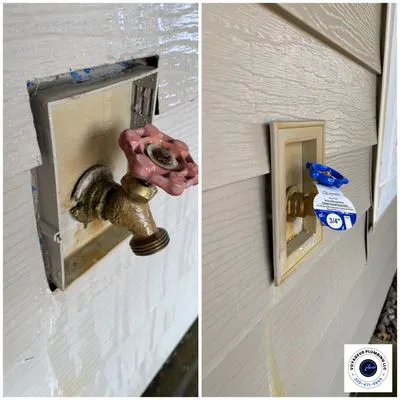
Voyageur Plumbing is a licensed plumbing service founded in 2023 by Cole and his wife Sarah, serving Milaca and surrounding communities within a 60-mile radius. With over a decade of industry experien...
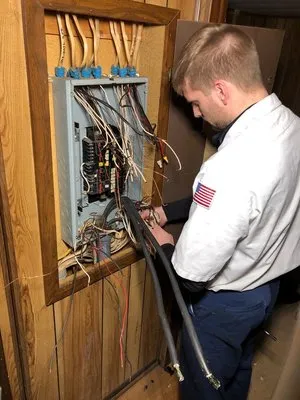
Neighborhood Plumbing, Heating, Air Conditioning and Electrical
Neighborhood Plumbing, Heating, Air Conditioning and Electrical is a fourth-generation, family-owned business with roots in Central Minnesota dating back to 1947. For over 70 years, we've built our re...
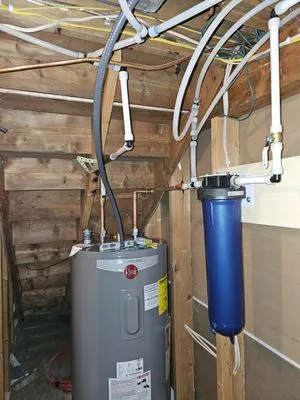
Dammen's Plumbing has been the trusted plumbing service for homes in Cushing, MN, for years. We understand the common local challenges homeowners face, like leaks from aging dishwasher connections and...
TK Home Services
For over 30 years, TK Home Services has been dedicated to helping Stanchfield residents maintain a healthy, safe, and functional home. Our passion lies in addressing the plumbing needs that impact dai...
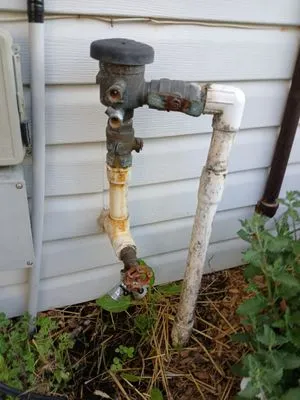
A & K Plumbing is a trusted, locally-owned plumbing service in Saint Cloud, MN, dedicated to keeping homes and businesses running smoothly. We specialize in comprehensive plumbing solutions, including...
Flush Sewer & Drain Cleaning brings over 20 years of plumbing expertise to St. Cloud, MN, as a new locally-owned business focused on affordable, reliable service. Our team handles everything from rout...
Able Sewer & Drain Cleaning Service is your trusted local plumbing expert in Saint Cloud, MN, dedicated to keeping homes and businesses running smoothly. We specialize in comprehensive plumbing inspec...
Hendrickson And Son's Plumbing
Hendrickson And Son's Plumbing has been serving the Kimball community since 1985 as a family-owned and operated business. Founded by John Hendrickson, who continues to lead operations today, we bring ...

AAA Sewer & Drain Cleaning has been Sauk Rapids' trusted plumbing partner since 1984. As a family-owned business, we provide reliable sewer and drain services for both homes and businesses. Our experi...
Estimated Plumbing Costs in New York Mills, MN
Q&A
As a rural homeowner outside the main district, what plumbing systems are my responsibility?
Your responsibility typically starts at the well head and the septic tank inlet. You maintain the entire private well system, including the pump, pressure tank, and all piping to the house. For waste, you're responsible for the septic tank, the drain field, and the sewer lateral connecting the home to the tank. Municipal water and sewer authority ends at the property line, so understanding the layout and maintenance needs of these private systems is crucial.
Could the flat land here be causing my slow basement drains?
The relatively plain terrain around New York Mills, including near the Cultural Center, offers little natural gradient for waste lines. If the original soil settlement or installation wasn't perfect, sections of your main sewer line can develop a slight back-pitch or belly where water and solids collect. This is a common contributor to chronic slow drains in older homes here, as it allows for debris to build up rather than being carried away efficiently.
Our water pressure has been dropping in our older New York Mills home. Is this related to our house's age?
Homes built around 1977 have copper pipes that are now 49 years old. In the Central Business District, we're seeing a predictable phase where decades of hard water slowly constrict the inside diameter of pipes. This scale buildup, combined with the natural aging of the copper, often manifests as a gradual reduction in flow at fixtures, not just a sudden leak. It's a common maintenance point for properties of this vintage.
How fast can you get to a plumbing emergency near downtown New York Mills?
Our typical dispatch route has us heading past the New York Mills Regional Cultural Center on US-10, which provides direct access to most of the town. We plan for a 45 to 60 minute response window from the initial call, accounting for local traffic and weather. This route is efficient for reaching both residential areas and the commercial core without unnecessary detours.
Why do my copper pipes keep springing pinhole leaks?
Copper piping from the late 1970s is susceptible to pinhole leaks due to a combination of age and the specific mineral content in our municipal well water. Over 49 years, a process called Type I pitting can create localized corrosion points that eventually penetrate the pipe wall. These leaks often appear first on horizontal hot water lines or in areas with turbulent flow. It's a systemic issue for this generation of plumbing, not a flaw in your particular installation.
Do I need a permit to replace my own water heater in Otter Tail County?
Yes, a permit from Otter Tail County Land and Resource Management is generally required for water heater replacement to ensure compliance with state building and energy codes. As a master plumber licensed by the Minnesota Department of Labor and Industry, I handle pulling that permit, scheduling the required inspections, and ensuring the installation meets all current standards for pressure relief, seismic strapping, and venting. This manages the red tape and confirms the work is documented correctly for your home's records.
Does New York Mills' hard water shorten the life of a water heater?
Yes, the mineral content from our municipal wells accelerates scale accumulation inside the tank and on heating elements. This insulating layer of scale forces the heater to work harder and longer, increasing energy costs and stressing the components. We commonly find anode rods in local heaters are consumed much faster than average. A proactive maintenance schedule for flushing and anode rod inspection is advised to maximize the unit's service life.
What's the most important thing to do for my pipes before the spring thaw?
Before the ground fully thaws, walk the perimeter of your home and ensure all exterior faucets are shut off from inside and that garden hoses are disconnected. The spring thaw cycle, following our 1-degree lows, can push frost deeper and shift foundations. Check for new cracks in basement walls or floors where plumbing enters, as these shifts can stress pipes. A slow drip from an interior faucet during the final hard freeze of the season can also relieve pressure on vulnerable sections.
