Top Emergency Plumbers in New Market, MN, 55020 | Compare & Call

There are 49 plumbing companies server in New Market MN
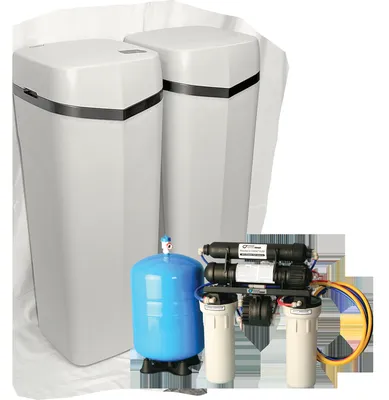
Northern Plumbing & Softening
Northern Plumbing & Softening is a trusted, family-operated plumbing and water treatment company that has been serving the Minneapolis and St. Paul metro area for over 50 years. Our team of licensed, ...

St Paul Pipeworks
St. Paul Pipeworks is a trusted, family-run plumbing business serving Little Canada and the surrounding metro area. Founded and operated by Master Plumber Charlie Avoles, the company brings a second g...
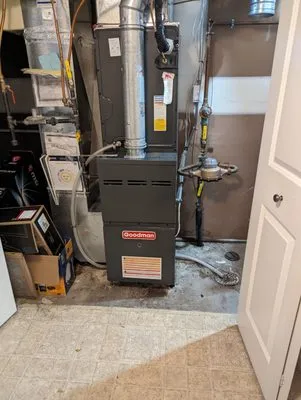
Vector Services
Vector Services has been a trusted home services provider in Minneapolis since 2014, offering reliable HVAC, plumbing, and electrical solutions. We serve residential and commercial properties within a...

Brandenburg Plumbing
Brandenburg Plumbing is a family-owned and operated business proudly serving the Montgomery area and all of southern Minnesota. As a local, licensed, and insured plumbing service, we specialize in pro...
American Plumbing Inc. is a family-owned and operated business that has been a trusted plumbing resource for Burnsville and the broader southern Twin Cities metro for over 20 years. Founded on a legac...
The Sewer Dude Sewer & Drain Cleaning is a family-owned plumbing service based in Minneapolis, MN, dedicated to providing reliable sewer and drain solutions for both residential and commercial propert...
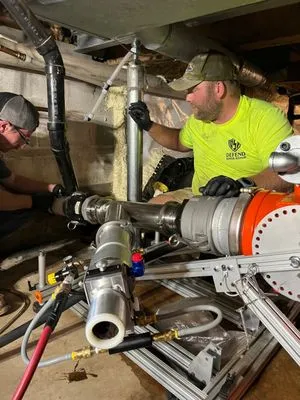
Defend Sewer Repair is a Minneapolis-based, locally owned plumbing and sewer service dedicated to serving homeowners and businesses across the Twin Cities area. We specialize in minimizing disruption ...
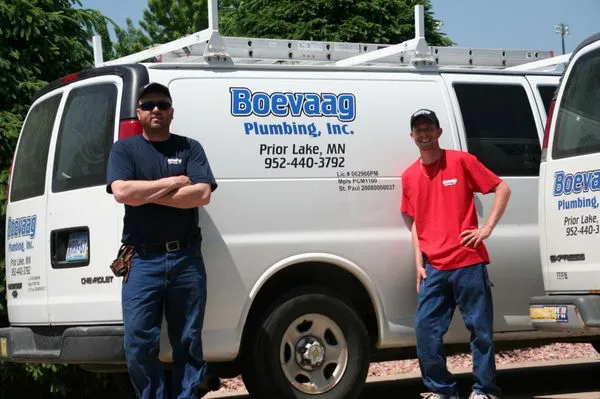
Boevaag Plumbing
Boevaag Plumbing, Inc. is a locally-owned plumbing company proudly serving Prior Lake and the surrounding communities since 2006. As 50% owner alongside my partner Jeff, we’ve built our business on th...
Genz-Ryan Heating, Cooling, Plumbing, & Electrical
Genz-Ryan Heating, Cooling, Plumbing, & Electrical is a family-owned home service company that has been serving Burnsville and the Twin Cities area since 1950. With over 70 years of experience, they p...
Gray Duck Plumbing
Gray Duck Plumbing is a licensed and bonded plumbing service based in Saint Paul, MN, established in 1999. As a woman-owned and LGBTQ+ operated business, we provide a wide range of plumbing solutions ...
Estimated Plumbing Costs in New Market, MN
Frequently Asked Questions
Our home was built around 2005. Should I be worried about the plumbing now?
Homes from that era are now about 21 years old, which is a common lifespan for the initial wave of PEX pipe installations. In New Market, we are seeing the first signs of fatigue in that generation of plumbing, particularly at brass fittings and crimp rings that have seen constant pressure cycles. While the PEX tubing itself often holds up, the mechanical joints can begin to weep or fail. It is a good time for a proactive pressure test and visual inspection of your water heater connections and under-sink supplies.
Is plumbing different for a rural home compared to one in a city?
The systems are fundamentally different. In a rural New Market home, you are responsible for the entire water cycle: the well pump, pressure tank, and the septic system or mound. There is no city water main or sewer to handle overloads. This means maintenance like checking your pressure tank's air charge and having your septic tank pumped on schedule is not optional; it is vital to avoid backups and pump failures that are solely your responsibility to fix.
How long does it take for a plumber to get to my house in New Market?
From our shop, the dispatch route typically heads past New Market Community Park to access I-35, which is the main artery for the area. Barring heavy traffic or weather, we can usually be on-site within 45 to 60 minutes. We factor in township road conditions, especially during spring thaw, to give you a realistic window. Once we are rolling, we provide updates so you know when to expect us.
What is one thing I should do to my plumbing before next winter?
The most critical pre-winter task is disconnecting and draining your garden hoses. When temperatures hit 5 degrees, any water left in the hose bib or the exterior wall pipe will freeze and crack the fixture. This is the single most common and preventable freeze damage call we get. For homes with exposed piping in basements or crawlspaces, adding pipe insulation is a simple, effective step before the deep cold sets in.
What kind of plumbing problems are common in houses built in 2005?
The specific issue we frequently address in these homes is pinhole leaks at the fittings. The brass or copper stub-outs that connect PEX to fixtures are prone to galvanic corrosion and scale buildup from two decades of hard water flow. We also see the early plastic manifolds becoming brittle. The failure is rarely a burst pipe in the wall; it is more often a slow drip from a valve or a connection that has finally given out under mineral stress.
Does having a private well mean my appliances wear out faster?
Yes, private wells in our area pull water with high mineral content. That hardness causes scale to cement itself inside water heater tanks and on faucet aerators. Without municipal water treatment, a water heater's lifespan can be shortened by several years due to sediment buildup and reduced efficiency. Installing and maintaining a whole-house water softener is not just for better laundry; it is a direct investment in protecting your water heater, dishwasher, and all your plumbing fixtures from premature failure.
Could the flat land around here cause drainage problems for my house?
The plain terrain around New Market Community Park and across the township lacks the natural slope for positive drainage. This means stormwater and snowmelt can pool around your foundation during spring thaw. That sustained saturation puts hydrostatic pressure on your foundation and can stress the main sewer line exiting your home. Ensuring your gutters are clear and downspouts discharge at least ten feet from the house is essential to divert that water away from your plumbing's critical underground components.
Do I need a permit to replace my own water heater?
In Scott County, a permit from Building Inspections is required for a water heater replacement. The installation must meet current Minnesota Department of Labor and Industry codes, which include specific requirements for expansion tanks, drain pans, and gas venting. As a licensed master plumber, I handle pulling that permit and arranging the final inspection. This ensures the work is documented correctly for your home's records and that all safety standards are met, so you do not have to navigate the red tape yourself.
