Top Emergency Plumbers in Marion, MN, 55904 | Compare & Call

There are 51 plumbing companies server in Marion MN

Red Wing Plumbing & Heating is a licensed, full-service plumbing and heating company serving Red Wing, MN, and the surrounding area. We specialize in a comprehensive range of services for both residen...
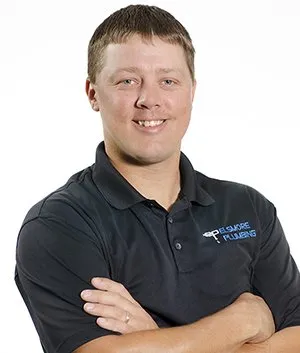
Elsmore Plumbing
Elsmore Plumbing is a locally owned and operated plumbing service based in Rochester, MN, founded by Jason Elsmore in 2014. With over 15 years of experience as a plumber in the Rochester area, Jason b...
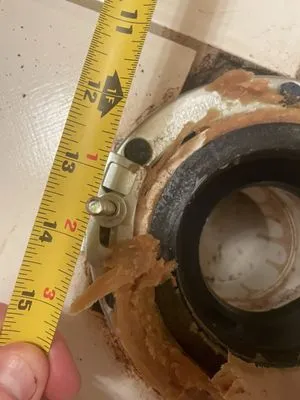
Tonna Mechanical
Tonna Mechanical is a family-owned heating, cooling, plumbing, and water treatment company serving Rochester and Southeastern Minnesota since 1976. As a second-generation owner who grew up in the busi...
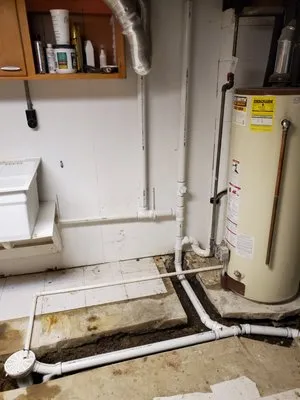
Felton Plumbing
Felton Plumbing is a locally owned and operated plumbing service in Rochester, MN, with over 20 years of experience serving residential and light commercial clients throughout Olmsted County. Licensed...
Rochester Drain-Rite has been serving the Rochester, MN community since 1992 as a licensed and bonded drain cleaning company. We specialize in both preventative maintenance and emergency services, han...
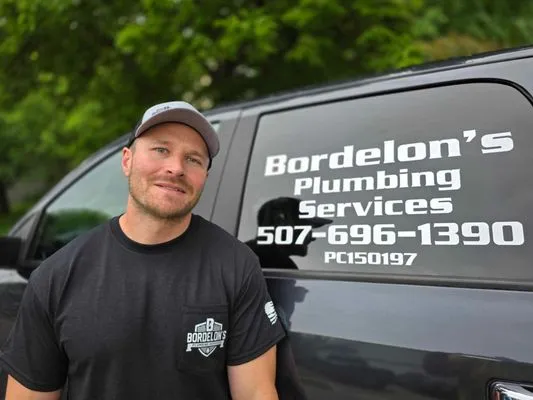
Bordelon's Plumbing Services is a trusted, fully certified plumbing company serving Rochester, MN, and surrounding Olmsted County. Led by Brad Bordelon, our team provides reliable solutions for both h...
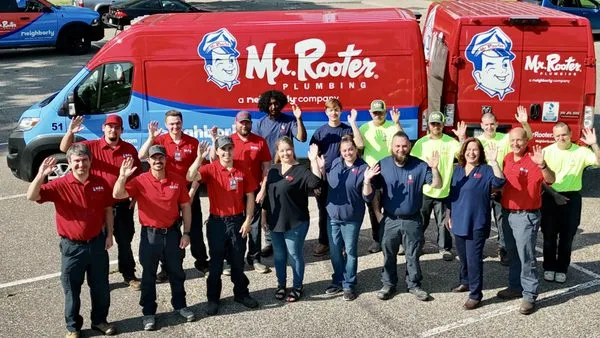
Mr. Rooter Plumbing of Rochester-MN
Mr. Rooter Plumbing of Rochester-MN is a locally owned and operated plumbing service deeply committed to serving the Rochester community. We are a proud part of a legacy that began in 1970, built on a...
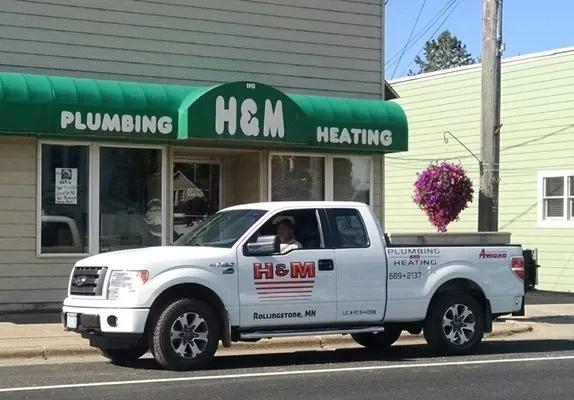
H & M Plumbing & Heating
H & M Plumbing & Heating Inc. is a family-owned local business serving Winona, Rollingstone, and the surrounding communities. We offer professional plumbing, heating, and air conditioning services for...

Rochester Plumbing & Heating
Rochester Plumbing & Heating has been serving the Rochester, MN community since 1922, making it one of the oldest plumbing and heating companies in the Upper Midwest. We provide reliable plumbing and ...
First Class Plumbing & Heating
Since 1994, First Class Plumbing & Heating has been the trusted, local choice for Rochester's residential and business plumbing needs. As a licensed provider, we offer comprehensive services ranging f...
Estimated Plumbing Costs in Marion, MN
Questions and Answers
Are septic and well systems different to maintain in rural Marion?
Rural Marion properties with septic and well systems require specific maintenance. Septic tanks need pumping every 3-5 years depending on household size. Well components like pressure tanks and switches wear out faster with hard water. Unlike municipal systems, you're responsible for the entire water infrastructure from aquifer to faucet. Regular inspections catch problems before they become emergencies.
Could my home's location near Chester Woods Park affect drainage?
The relatively plain terrain around Chester Woods Park can cause water to pool near foundations during heavy rain or snowmelt. Flat lots lack natural runoff slopes, putting pressure on drainage systems. Main lines may experience additional stress from soil saturation. Proper grading away from your foundation prevents water from seeping into basements or compromising pipe bedding material.
What should I do before spring thaw to prevent plumbing problems?
Insulate exposed pipes in crawl spaces and basements before temperatures drop to 6°F. Disconnect garden hoses and shut off exterior faucets to prevent freeze damage. Keep cabinet doors open to allow warm air circulation around pipes during cold snaps. Monitor for leaks as snow melts and ground thaws, since frozen pipes often reveal damage only after they warm up.
Who handles permits for plumbing work in Olmsted County?
I manage all required permits through Olmsted County Planning and Zoning for Marion projects. As a licensed master plumber with Minnesota Department of Labor and Industry credentials, I ensure work meets state code requirements. This includes pressure tests, backflow prevention, and proper material specifications. Handling this red tape saves homeowners from navigating complex regulations themselves.
How quickly can a plumber reach my home in Marion Township?
Heading past Chester Woods Park on US-52 gets me into Marion Township within 45-60 minutes for most calls. This route avoids downtown Rochester congestion while maintaining highway speeds. I keep a stocked service van ready for common Marion plumbing issues. Rural driveways and snow conditions sometimes add a few minutes during winter months.
Does hard water from my private well damage plumbing fixtures?
Hard water from private wells causes scale buildup that reduces water heater efficiency by 25-30% over time. Mineral deposits coat heating elements and tank interiors, requiring more energy to heat water. Fixtures develop crusty deposits around aerators and showerheads. Installing a water softener protects appliances and extends plumbing system lifespan in Marion's well-dependent homes.
How long do galvanized steel pipes last in older Marion homes?
Galvanized steel pipes installed around 1949 are now 77 years old in 2026. Homeowners in Marion Township often see reduced water pressure and rust-colored water as the zinc coating wears away. At this age, internal corrosion creates scale buildup that narrows pipe diameter. Complete failure typically occurs between 50-80 years, so many local systems are reaching their end of service life.
Why do my old pipes keep springing pinhole leaks?
Galvanized steel pipes from 1949 develop pinhole leaks due to internal corrosion and joint calcification. The steel rusts from the inside out, creating weak spots that eventually perforate. Mineral deposits from hard water accelerate this process. These leaks often appear first at threaded joints where dissimilar metals meet without proper dielectric unions.
