Top Emergency Plumbers in Madison Lake, MN, 56063 | Compare & Call

There are 15 plumbing companies server in Madison Lake MN

Brandenburg Plumbing
Brandenburg Plumbing is a family-owned and operated business proudly serving the Montgomery area and all of southern Minnesota. As a local, licensed, and insured plumbing service, we specialize in pro...
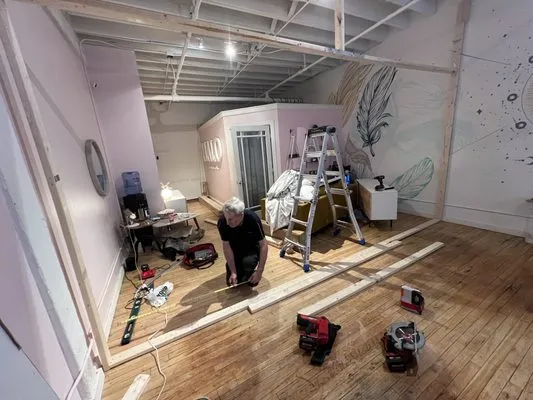
Daryna Construction is a trusted home improvement contractor serving the St. Louis Park community. We provide reliable solutions for drywall, plumbing, and flooring projects, helping local homeowners ...

I'm Ken Wood, owner of Five Star Bath Solutions of Minneapolis, proudly serving Dundas and the surrounding areas. My mission is to partner with you to make your bathroom dreams a reality, ensuring a s...

At Precision Lining & Sewer in Owatonna, we believe in getting it right from the start. Founded in 2012, our mission is to provide reliable, cost-effective solutions for drain cleaning and sewer line ...
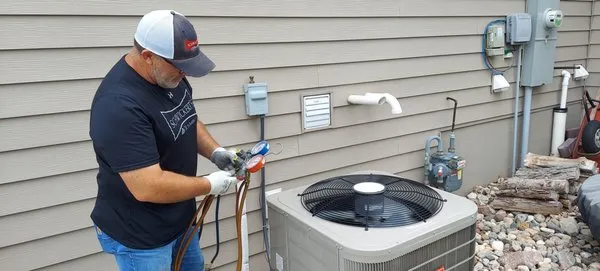
Schwickert's Tecta America
Schwickert's Tecta America in Savage, MN is a trusted local contractor with deep roots in the community, founded in 1906 by George Schwickert. For over 111 years, they've served Southern Minnesota and...

Schwickert’s Tecta America
Schwickert's Tecta America is a trusted, locally-owned and operated contractor serving the Mankato community since 1906. As a full-service mechanical contractor, we provide comprehensive solutions for...

Jetter Clean is a family-owned and operated drain cleaning service based in Mankato, MN, with deep roots in southern Minnesota. Founded in 1993 by Lee and Kris Bohrer, the business grew from a persona...
Hunt Plumbing and Drain serves the Saint Peter and greater Mankato area with reliable, comprehensive plumbing services for both homes and businesses. Whether you're dealing with a dripping faucet, a c...

General Rooter of Southern MN - Sewer & Drain Cleaning
General Rooter of Southern MN is a trusted sewer and drain cleaning service based in Mankato, MN, with a second location in Hopkins to serve the Minneapolis/St. Paul metro area. Founded with just one ...

Handy Works is a trusted local service provider in Mankato, MN, specializing in comprehensive home maintenance solutions. We address the common plumbing challenges faced by Mankato homeowners, such as...
Estimated Plumbing Costs in Madison Lake, MN
FAQs
What should I do before spring thaw to prevent plumbing problems?
Temperatures dropping to 5°F followed by rapid spring thaw create freeze-thaw cycles that stress pipes. Insulate exposed plumbing in crawl spaces and basements before winter. Drain outdoor spigots and disconnect hoses to prevent backflow freezing. Check for foundation cracks where cold air can reach pipes during temperature swings.
Are septic systems different to maintain in rural Madison Lake?
Rural properties here typically have septic systems rather than municipal sewer connections. Well water systems require different pressure management than city water. Septic tanks need pumping every 3-5 years depending on household size. Understanding the interaction between well pumps, pressure tanks, and septic drainage prevents system overload.
Why are my 1990s copper pipes suddenly leaking?
Copper pipes from that era develop pinhole leaks due to electrolytic corrosion and joint calcification. Water chemistry from municipal wells interacts with the copper over decades, thinning the pipe walls. These small leaks often appear first near fittings or in horizontal runs. Early detection prevents the need for full repiping.
Does Madison Lake's hard water damage plumbing fixtures?
Municipal wells supply water with high mineral content that causes scale buildup. Water heaters accumulate sediment that reduces efficiency and shortens lifespan. Fixtures develop restricted flow from mineral deposits in aerators and valves. Installing a whole-house water softener protects appliances and maintains consistent water pressure.
Does Madison Lake's low-lying terrain affect my main sewer line?
Low-lying areas around Madison Lake experience groundwater saturation that stresses main lines. Soil movement during wet seasons can misalign pipe joints, leading to infiltration or blockages. Proper grading away from the foundation prevents excess water pressure on underground pipes. Regular camera inspections identify early signs of line settlement.
Who handles permits for plumbing work in Blue Earth County?
Blue Earth County Planning and Zoning requires permits for most plumbing modifications. As a Minnesota Department of Labor and Industry licensed master plumber, I submit all paperwork and coordinate inspections. This includes septic system approvals, well modifications, and fixture replacements. Handling the red tape ensures work meets current code requirements.
How quickly can a plumber reach my Madison Lake home?
Heading past Madison Lake on State Highway 60, most service calls take 30-45 minutes from dispatch. That route connects directly to City Center and surrounding neighborhoods. We plan routes around peak traffic times to maintain consistent response windows. Local knowledge of back roads helps when Highway 60 has seasonal delays.
How long do copper pipes last in Madison Lake homes?
Copper plumbing installed around 1990 is now 36 years old. Homeowners in City Center are noticing pinhole leaks and reduced water pressure as the pipes reach this age. The original solder joints and fittings begin to fail first, often showing green corrosion spots. Regular inspections can catch these issues before they become major water damage problems.
