Top Emergency Plumbers in Lynden, MN, 55320 | Compare & Call

There are 68 plumbing companies server in Lynden MN
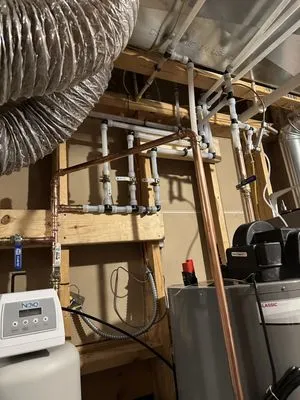
Foster Plumbing
Foster Plumbing is a trusted local plumbing service in Big Lake, MN, owned and operated by Master Plumber Scott Foster. With over a decade of hands-on experience, Scott combines his business acumen wi...

Tim’s Quality Plumbing, Heating, & Cooling began in 1981 as a small, family-run business with a simple goal: to provide quality work and treat every customer like a neighbor. Now in its second generat...
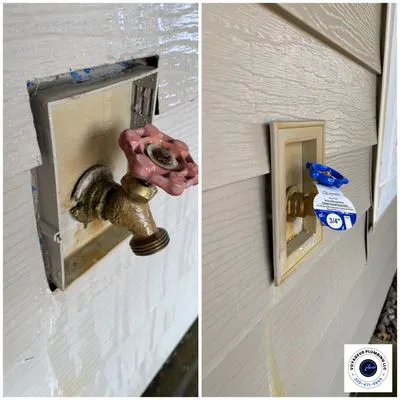
Voyageur Plumbing is a licensed plumbing service founded in 2023 by Cole and his wife Sarah, serving Milaca and surrounding communities within a 60-mile radius. With over a decade of industry experien...
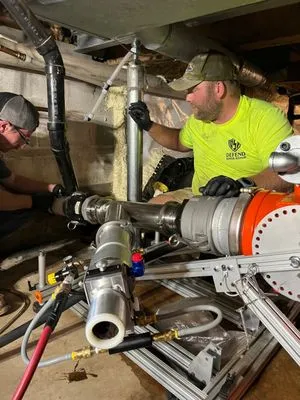
Defend Sewer Repair is a Minneapolis-based, locally owned plumbing and sewer service dedicated to serving homeowners and businesses across the Twin Cities area. We specialize in minimizing disruption ...
Honest Plumbing Solutions
Honest Plumbing Solutions is a family-owned plumbing business serving Brooklyn Park, MN, and the Twin Cities metro area. Founded in 2023 by Benjamin, a U.S. Army veteran and Master Plumber with over a...
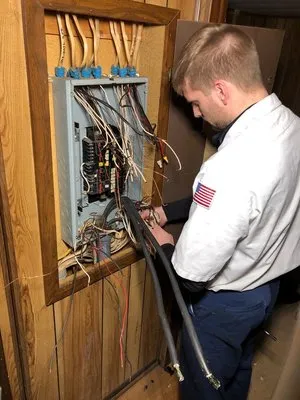
Neighborhood Plumbing, Heating, Air Conditioning and Electrical
Neighborhood Plumbing, Heating, Air Conditioning and Electrical is a fourth-generation, family-owned business with roots in Central Minnesota dating back to 1947. For over 70 years, we've built our re...
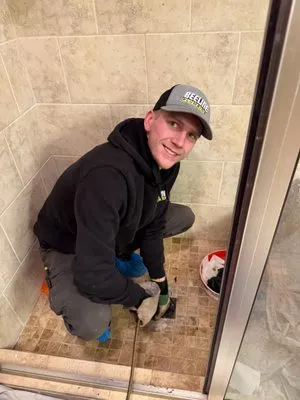
Beeline Plumbing
Beeline Plumbing is a family-owned and operated plumbing service based in Zimmerman, MN, founded by second-generation plumber Jake. With years of experience from both large corporations and small fami...

Affordable Plumbing Solutions is your trusted local plumbing company in Princeton, MN, built on a foundation of expert workmanship and honest pricing. We understand the unique plumbing challenges face...
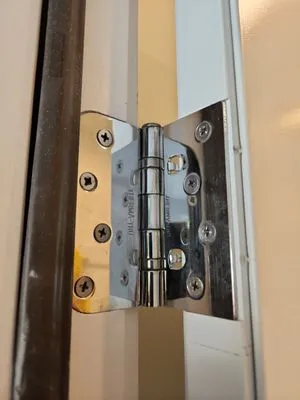
Gary's Handyman Service in Elk River, MN provides reliable home repair and maintenance solutions for local residents. With over a decade of hands-on experience, Gary and his team handle everything fro...
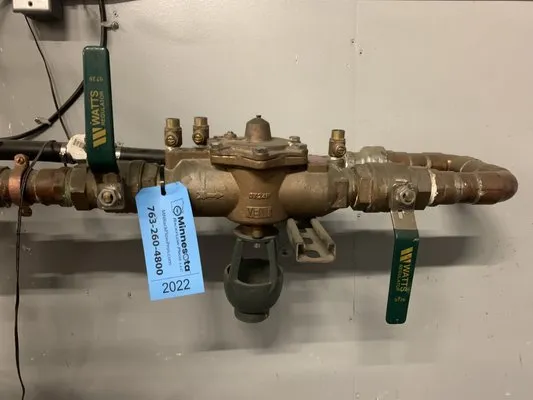
Minnesota Backflow Pros LLC is a family-owned and operated plumbing company based in Zimmerman, dedicated to protecting the health and safety of our community's drinking water. With over 30 years of i...
Estimated Plumbing Costs in Lynden, MN
Questions and Answers
Does having a private well with hard water wreck my appliances?
Yes, the high mineral content from private wells directly impacts hardware. Water heaters are hit hardest, with scale rapidly coating heating elements and tank interiors, which cuts efficiency and lifespan. You'll also see accelerated wear on faucet cartridges and toilet fill valves, often needing replacement years sooner than with treated water.
Who handles the permits if I need a major repair or a new well pump?
Stearns County Environmental Services permits well work, and the Minnesota Department of Labor and Industry oversees major plumbing. As a licensed master plumber, I pull those permits and schedule the required inspections. My job is to handle that red tape and ensure the work meets code, so you don't have to navigate the government offices yourself.
As a rural homeowner, what plumbing systems do I need to think about that city folks don't?
Your entire water and waste system is private. Beyond the well pump and pressure tank, you're responsible for the septic tank and drain field. A failure in either system is a full-household emergency. It requires a specific understanding of county codes for setbacks and soil conditions, which is very different from dealing with a municipal sewer connection.
Why am I suddenly seeing so many blue stains and leaks in my Lynden home?
Your copper plumbing is about 40 years old now, installed when many homes here were built around 1986. At this age, the internal pipe walls thin out from decades of water flow. Homeowners in Lynden Township are frequently calling about pinhole leaks, often first spotted as green or blue corrosion stains on drywall or at fixture connections. It's a predictable lifecycle for copper in our area.
How long does it take for a plumber to get to my house out here?
From my shop near Clearwater Lake, the dispatch route typically heads out on MN-24. Traffic is light, so once I'm rolling, I can be at most doors in Lynden Township within 45 to 60 minutes. I plan the route to avoid any known seasonal road work so the response is consistent.
What's the most common plumbing failure in a house built here in the late 80s?
For 1986-era copper, joint calcification and pinhole leaks are the top issues. Mineral scale from decades of hard water builds up at soldered joints, restricting flow and creating stress points. The pinholes themselves often develop in horizontal runs of pipe, where water sits and reacts with the copper, leading to those slow, damaging leaks inside walls.
What's one thing I should do before spring to avoid a plumbing disaster?
Before the spring thaw peaks, disconnect and drain your garden hoses. A hose left connected can trap water back to the faucet bib; if that water freezes during a 2-degree night, it splits the pipe inside your wall. It's a simple, five-minute task that prevents one of the most common and costly calls I get each March.
Could the flat land around here be causing my slow drains?
The plain terrain around Clearwater Lake can complicate drainage. With minimal natural slope, waste lines from your home to the septic tank rely entirely on proper pitch during installation. If that pitch has settled or was ever slightly off, you get poor drainage and chronic clogs. It also means a heavy rain can temporarily saturate the soil, putting extra static pressure on the main sewer line.
