Top Emergency Plumbers in Grand Lake, MN, 55779 | Compare & Call

There are 133 plumbing companies server in Grand Lake MN
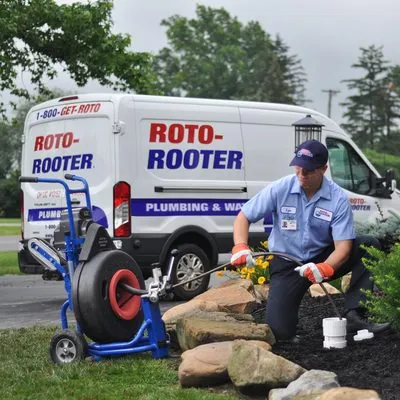
Roto-Rooter Plumbing & Water Cleanup
Roto-Rooter Plumbing & Water Cleanup in New Brighton, MN provides reliable plumbing and water damage services for local homes and businesses. Our team is available 24/7 for emergencies, including drai...
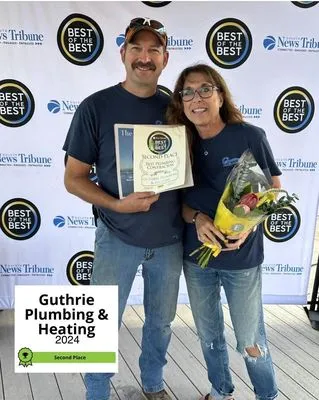
Guthrie Plumbing & Heating
Guthrie Plumbing & Heating has been a trusted Duluth plumbing and heating partner since 2000, founded by Master Plumber Dale Guthrie, who brings over 30 years of trade experience dating back to 1990. ...

Lavoie Plumbing
Lavoie Plumbing Inc. is a licensed and insured plumbing service provider serving Esko, MN, and surrounding areas. With expertise in a wide range of plumbing needs, from bathtub and drain repairs to HV...
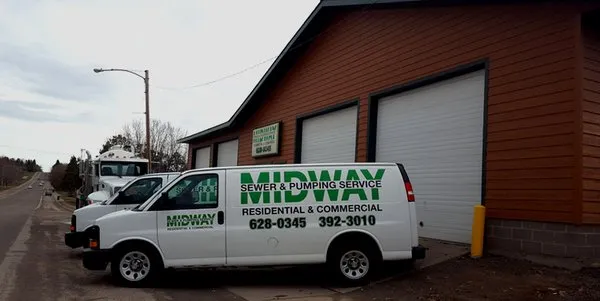
Midway Sewer Service has been a trusted family-owned plumbing and sewer specialist in Proctor, MN, since 1977. With over 40 years of experience, we provide reliable sewer, drain, and septic services f...
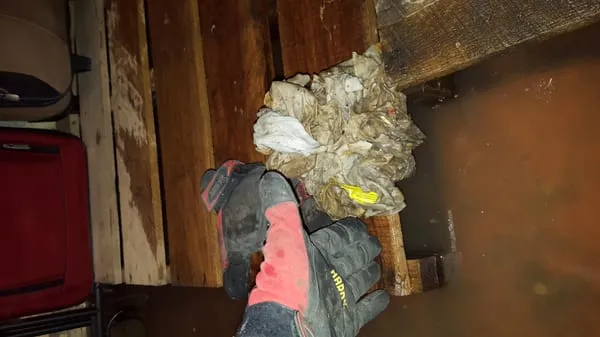
Hill Side Sewer & Drain is a family-owned plumbing service in Duluth, MN, with deep roots in the community. For over three generations, the Hubert family has been providing reliable sewer and drain so...
Premier Plumbing and Heating is a locally owned and operated contractor dedicated to serving Duluth and the surrounding communities. We provide comprehensive plumbing, heating, and drain cleaning serv...
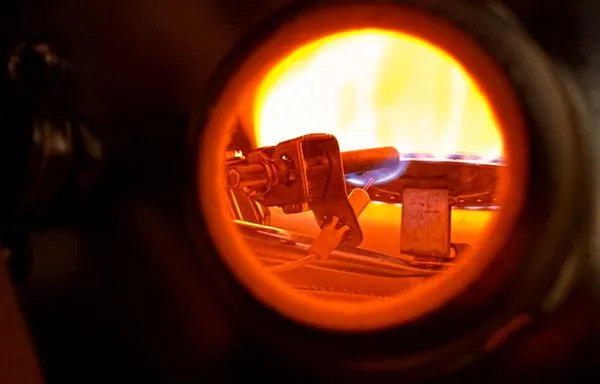
Stone Plumbing & Heating
Stone Plumbing & Heating is a licensed plumbing and heating service provider based in Duluth, MN, established in 2015. With over 14 years of industry experience, owner Eric Stone, a Master Plumber, fo...
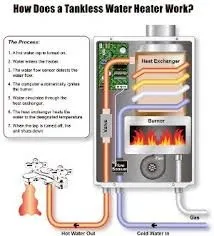
Kalkbrenner Plumbing & Heating
Kalkbrenner Plumbing & Heating is a family-owned plumbing and heating service that has been serving Duluth, MN, and surrounding communities since 1993. Founded by master plumber Mike Kalkbrenner, who ...
Carlson Bros Plumbing & Heating
Carlson Bros Plumbing & Heating is a trusted, family-owned plumbing and HVAC service provider serving Duluth, MN, and the surrounding areas. With decades of combined experience, our licensed technicia...
Nelson & Sons Affordable Home Solutions is a family-run handyman service based in Duluth, MN, dedicated to helping local homeowners maintain and improve their properties. Founded in 2021, we provide a...
Estimated Plumbing Costs in Grand Lake, MN
FAQs
Our house was built around the same time as most in Grand Lake Township, early 1980s. Are the pipes getting too old?
Copper pipe installed in 1984 is now 42 years old, a typical lifespan for it in our area. Homeowners here are seeing the first wave of systemic failures. You might notice small blue-green stains under joints or a persistent drop in water pressure, signs of internal corrosion and pinhole leaks developing from decades of mineral interaction with our hard water.
I keep hearing about pinhole leaks in copper pipes around here. What causes them?
Pinhole leaks in 1980s-era copper are often from a process called Type 1 pitting, accelerated by our water chemistry. Over four decades, microscopic pits in the pipe wall deepen until they perforate. The leaks usually start at solder joints or horizontal runs where sediment settles, creating a corrosive environment. It's a predictable failure mode for this vintage of plumbing in Grand Lake Township.
I need to add a bathroom. What kind of permits are required with St. Louis County?
St. Louis County Planning and Development requires permits for any plumbing that alters the system, like adding fixtures or moving lines. As a Master Plumber licensed by the Minnesota Department of Labor and Industry, I handle the plumbing code compliance, drawings, and inspections. My license allows me to pull the permit and manage that red tape, so you don't have to navigate the county process yourself.
If I have a burst pipe, how long will it take for a plumber to get to me in Grand Lake?
A dispatch from our shop heads past Grand Lake on US-53, which is the main artery for the township. Barring heavy winter weather, the run typically takes 45 to 60 minutes. We factor in local road conditions and keep a truck stocked for common well system and copper repair jobs specific to this route.
Being out in the country on a well and septic, are there special plumbing concerns?
Yes, rural systems are entirely your responsibility. A failing pressure tank or well pump means no water at all, unlike a city supply. Your septic system's health is directly tied to what goes down your drains; a clogged drain field is a far more complex fix than a simple sewer line clear. We always check the whole system—well, septic, and house—to diagnose issues correctly.
What's the one thing I should do before spring to avoid a plumbing disaster?
Before the spring thaw hits its peak, disconnect any garden hoses and make sure your exterior hose bibs are fully drained and shut off from inside. A hose left connected traps water in the bib; when that water freezes at our -5°F lows, it expands back into the pipe inside your wall, almost guaranteeing a split. It's a simple five-minute task that prevents a major repair.
We're on a private well with very hard water. What's it doing to my plumbing?
Hard water from a private well deposits scale, a rock-like mineral buildup, inside pipes and appliances. In water heaters, scale acts as an insulator, forcing the element to work harder and fail prematurely. At fixtures, it clogs aerators and valve seats, leading to drips and reduced flow. Over years, this scale also contributes to the corrosion that causes pinhole leaks in older copper systems.
My house is on a hill in Grand Lake. Could that be causing my drainage problems?
Hilly terrain here puts constant, uneven stress on your main water line running from the well to the house. Soil shifting during freeze-thaw cycles can strain or separate joints. For drainage, the slope means surface water and snowmelt flow toward your foundation. Proper grading and functioning drain tile are critical to prevent water from pooling against your basement wall and overloading your sump system.
