Top Emergency Plumbers in Gnesen, MN, 55803 | Compare & Call

There are 61 plumbing companies server in Gnesen MN

Guthrie Plumbing & Heating
Guthrie Plumbing & Heating has been a trusted Duluth plumbing and heating partner since 2000, founded by Master Plumber Dale Guthrie, who brings over 30 years of trade experience dating back to 1990. ...

Lavoie Plumbing
Lavoie Plumbing Inc. is a licensed and insured plumbing service provider serving Esko, MN, and surrounding areas. With expertise in a wide range of plumbing needs, from bathtub and drain repairs to HV...
Midway Sewer Service has been a trusted family-owned plumbing and sewer specialist in Proctor, MN, since 1977. With over 40 years of experience, we provide reliable sewer, drain, and septic services f...
Hill Side Sewer & Drain is a family-owned plumbing service in Duluth, MN, with deep roots in the community. For over three generations, the Hubert family has been providing reliable sewer and drain so...

Premier Plumbing and Heating is a locally owned and operated contractor dedicated to serving Duluth and the surrounding communities. We provide comprehensive plumbing, heating, and drain cleaning serv...
Stone Plumbing & Heating
Stone Plumbing & Heating is a licensed plumbing and heating service provider based in Duluth, MN, established in 2015. With over 14 years of industry experience, owner Eric Stone, a Master Plumber, fo...
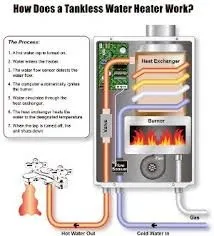
Kalkbrenner Plumbing & Heating
Kalkbrenner Plumbing & Heating is a family-owned plumbing and heating service that has been serving Duluth, MN, and surrounding communities since 1993. Founded by master plumber Mike Kalkbrenner, who ...

Carlson Bros Plumbing & Heating
Carlson Bros Plumbing & Heating is a trusted, family-owned plumbing and HVAC service provider serving Duluth, MN, and the surrounding areas. With decades of combined experience, our licensed technicia...
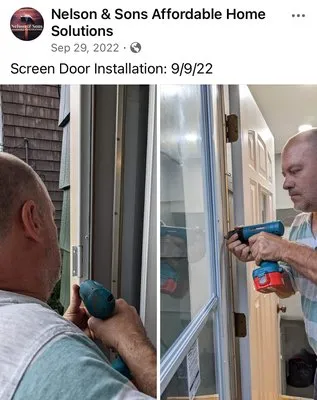
Nelson & Sons Affordable Home Solutions is a family-run handyman service based in Duluth, MN, dedicated to helping local homeowners maintain and improve their properties. Founded in 2021, we provide a...

On Call Plumbers in Duluth, MN is a locally owned and operated plumbing service dedicated to serving our Northland community. We are a team of licensed and insured professionals who understand the uni...
Estimated Plumbing Costs in Gnesen, MN
Question Answers
What's different about plumbing for a rural home with a well and septic?
Rural plumbing means you're responsible for the entire system, from the well pump and pressure tank to the septic tank and drain field. A leak isn't just wasting water; it's overloading your septic system. We always check for proper backflow prevention on irrigation or boiler systems to keep well water safe. Maintenance focuses on the whole private water cycle, not just the pipes inside the house.
How long do copper pipes last in a Gnesen home built in the 1980s?
The copper plumbing in a Gnesen Township home built around 1983 is now 43 years old. That's the age where we consistently see pinhole leaks start to appear, especially on hot water lines. These small leaks are often caused by decades of water chemistry interacting with the pipe walls, a process that accelerates in our area's hard water. Homeowners should watch for small green or white corrosion spots on pipe fittings or a sudden drop in water pressure.
Does hard well water damage my plumbing and appliances?
Yes, the mineral-heavy water from private wells in this area causes significant scale buildup inside pipes, water heaters, and fixtures. This scale acts as an insulator, forcing your water heater to work harder and fail sooner. It also restricts water flow at faucet aerators and showerheads. Installing and maintaining a proper water softener is not just for comfort; it's a protective measure for your home's entire water-using system.
Why are my copper pipes suddenly leaking after all these years?
Copper pipe from the early 1980s often fails due to pinhole leaks from internal corrosion and joint calcification. The solder joints holding the pipes together can become brittle and fail after four decades of thermal expansion and contraction. This isn't a flaw in the material, but the natural lifespan of that specific installation period. We often find the first leaks appear near water heaters or in ceiling runs below bathrooms.
Can the hilly land in Gnesen Township cause plumbing problems?
The slope of the land here absolutely affects your main sewer line or septic system drainage. Gravity is the main force moving wastewater, and a sharp drop or bend in the line can lead to debris collecting and causing blockages. For homes on wells, the hill can also influence water pressure. When troubleshooting drainage issues, we always account for the topography from the house to the tank or main.
Do I need a permit to replace my water heater in St. Louis County?
Most plumbing work, including water heater replacement, requires a permit from St. Louis County Planning and Development. As a Master Plumber licensed by the Minnesota Department of Labor and Industry, I pull those permits, schedule the required inspections, and ensure the work meets all state and county code. This handles the red tape for you and guarantees the installation is documented and safe for your home's insurance and resale.
What's the most important spring plumbing tip for the Gnesen snow belt?
Before the spring thaw hits its peak, make sure your basement sump pump is operational and the discharge line is clear of ice and debris. A rapid melt when the ground is still frozen can overwhelm drainage. Test the pump by pouring a bucket of water into the pit and verifying it activates and fully evacuates the water. This simple check in late winter can prevent a major flood emergency.
How long does it take for a plumber to get to Gnesen from Duluth?
Our dispatch route from Lake St. Louis typically takes 45 to 60 minutes for most calls in Gnesen. Heading out on MN-4, we plan for the rural roads and weather, which can slow travel, especially in winter. We provide realistic arrival windows so you can plan accordingly, and we call ahead when we're a few minutes out. For true emergencies, we prioritize and route accordingly.
