Top Emergency Plumbers in Glyndon, MN, 56547 | Compare & Call

There are 7 plumbing companies server in Glyndon MN
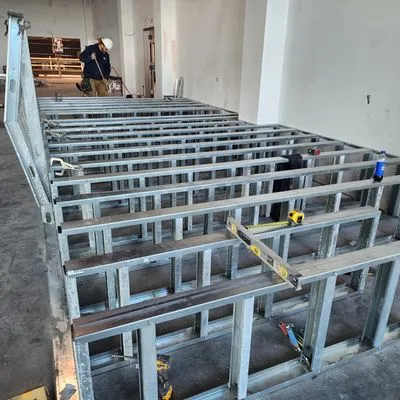
We Will Rock You is a trusted Moorhead, MN contractor specializing in comprehensive drywall and wall finishing services, from installation and repair to texturing and patching. We understand that loca...
Best Plumbing
Best Plumbing in Moorhead, MN is a trusted local plumbing service dedicated to addressing all residential and commercial plumbing needs for the Moorhead community. Whether it's a basement gush or a le...
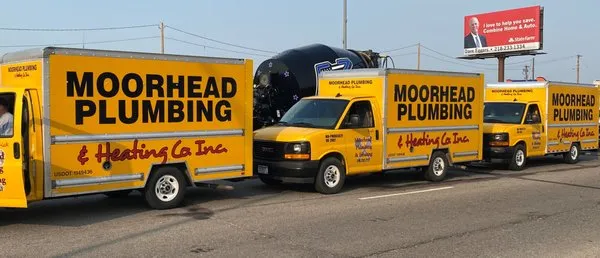
Moorhead Plumbing & Heating
Moorhead Plumbing & Heating has been a trusted fixture in the Moorhead community since its founding by Ora Powell in 1924. In 1989, Paul purchased the business from Lonnie Overby and continues to over...
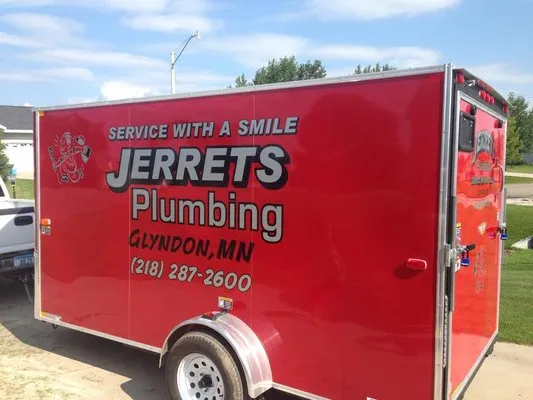
Jerret's Plumbing is a trusted local plumbing service in Glyndon, MN, dedicated to keeping homes and businesses running smoothly. We specialize in comprehensive plumbing solutions, including bathtub, ...

Larry's Plumbing & HVAC
Larry's Plumbing & HVAC is a trusted, family-owned company proudly serving the Glyndon, MN, community and the wider Fargo region for over 25 years. We are local experts who understand the specific cha...
Eco Plumbing is your trusted local plumbing expert serving Barnesville, MN, and the surrounding area. We specialize in comprehensive plumbing solutions including bathtub, drain, faucet, gas line, sewe...

Otter Seamless is a Fergus Falls-based gutter installation service with over a decade of experience serving residential and commercial clients throughout Minnesota. We specialize in seamless gutters, ...
Estimated Plumbing Costs in Glyndon, MN
Common Questions
I'm on a well and septic system outside of town. What's different for me?
Your system operates independently. The well pump and pressure tank are critical components that municipal homes don't have; sediment from the aquifer can clog the pump intake or pressure switch. For the septic system, the drain field's performance is directly tied to the soil's absorption capacity, which is challenged during spring thaw. Avoiding chemical drain cleaners and managing water usage are more crucial here to protect the septic biology.
Does Glyndon's hard water from the Buffalo River Aquifer damage appliances?
Yes, the mineral content from the Buffalo River Aquifer leads to significant scale buildup. In water heaters, this sediment insulates the heating elements, forcing them to work harder and fail prematurely. For fixtures and shower valves, the scale acts like an abrasive grit, wearing out seals and cartridges much faster than with soft water. Installing a whole-house water softener is the most effective long-term defense for your plumbing hardware.
Could the flat land around Glyndon cause drainage issues for my plumbing?
The plain terrain means there's very little natural slope for drainage. Around the Glyndon Community Center, for example, stormwater and snowmelt can pool. This saturated soil puts constant hydrostatic pressure on your home's foundation and the buried sewer line. Over years, this pressure can lead to joint separation in the main line or contribute to basement drain backups, as the water has nowhere to go but into the path of least resistance.
Our house was built in the early 90s in Glyndon. What should I expect from the plumbing now?
Your copper pipes are about 34 years old. For homes around the Glyndon City Center built around 1992, that age often means we're seeing increased frequency of pinhole leaks. The copper has spent decades in contact with our hard water, and the internal thinning from scale and minor corrosion is now reaching a point where failures become more common. It's a predictable lifecycle stage, not a crisis, but it does mean being attentive to small drips or stains on ceilings.
Why do my copper pipes from 1992 keep springing pinhole leaks?
Copper installed in 1992 is susceptible to a failure mode called Type 1 pitting, often accelerated by our local water chemistry. Microscopic imperfections in the pipe wall, combined with decades of hard water scale buildup, create focused corrosion cells. This results in those characteristic pinhole leaks, typically found on horizontal runs or near fittings. The age of the system means the protective interior patina has broken down in spots.
How fast can a plumber get to my house in Glyndon if I have a leak?
Heading past the Glyndon Community Center onto US-10, a local plumber can typically reach most addresses in the area within 20 to 30 minutes for an emergency call. That route provides direct access to the older neighborhoods and newer developments. We plan our dispatch to use these main arteries first before turning into local streets, which keeps response times consistent even during heavier traffic periods.
What's one plumbing tip for Glyndon's cold winters and spring thaw?
Before temperatures drop to our -2°F lows, disconnect and drain your outdoor garden hoses. A frozen hose bib can burst the pipe inside the wall, leading to a major leak. Then, during the spring thaw, keep an eye on your basement or crawl space for new dampness. The ground saturation can shift your foundation and put unexpected stress on the main water line where it enters the house.
Do I need a permit to replace my water heater in Clay County?
Yes, Clay County Planning and Zoning requires a permit for water heater replacement, and the installation must meet Minnesota Department of Labor and Industry code. As a master plumber licensed by the state, I handle pulling that permit and scheduling the required inspections. This ensures the work is documented correctly for your home's records and that all safety standards, like proper pressure relief valve and expansion tank installation, are met.
