Top Emergency Plumbers in Dellwood, MN, 55110 | Compare & Call

There are 169 plumbing companies server in Dellwood MN
John's Sewer and Drain Cleaning has been a trusted name in Minneapolis since 1976, founded on deep local roots and family expertise. Father-son owners Larry and Eddie Gillis bring nearly 70 years of c...

Spetz Plumbing Corporation
Spetz Plumbing Corporation is a family-owned plumbing business serving Champlin and the greater Twin Cities area for over three decades. Rooted in the local community, we are licensed, bonded, and ins...
Loch Monster Plumbing
Loch Monster Plumbing is a trusted, family-owned plumbing service serving Minnetonka and the entire Minneapolis/St. Paul metro area. With over 15 years of experience, we are licensed, bonded, and insu...
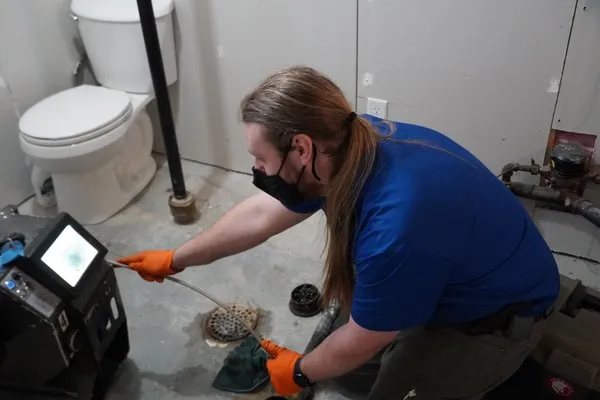
Ron the Sewer Rat has been serving Eagan and the Twin Cities area since 1972, founded by Ron after he experienced overcharging from another plumbing company. With over 20 years of specialized drain cl...
Northern Plumbing & Softening
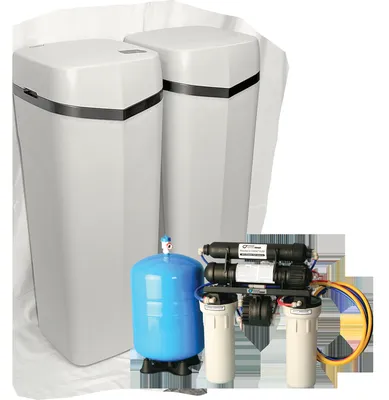
Northern Plumbing & Softening is a trusted, family-operated plumbing and water treatment company that has been serving the Minneapolis and St. Paul metro area for over 50 years. Our team of licensed, ...
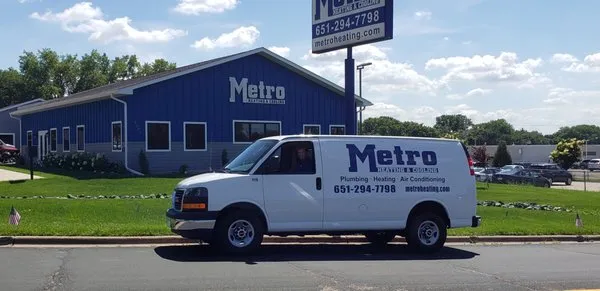
Metro Heating & Cooling
Metro Heating & Cooling is a locally owned, family-oriented HVAC and plumbing company proudly serving Maplewood and the greater Twin Cities. With a team of 38 highly skilled technicians boasting over ...

St Paul Pipeworks
St. Paul Pipeworks is a trusted, family-run plumbing business serving Little Canada and the surrounding metro area. Founded and operated by Master Plumber Charlie Avoles, the company brings a second g...
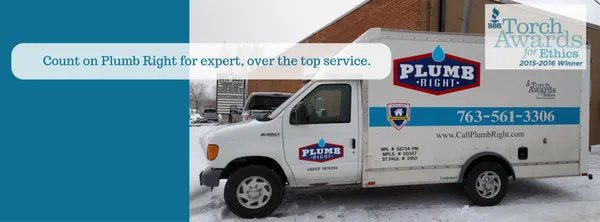
Plumb Right
Plumb Right is a family-owned plumbing company that began serving Brooklyn Park and the Twin Cities in 1988. As a third-generation master plumber, I learned the trade from my father and find genuine s...
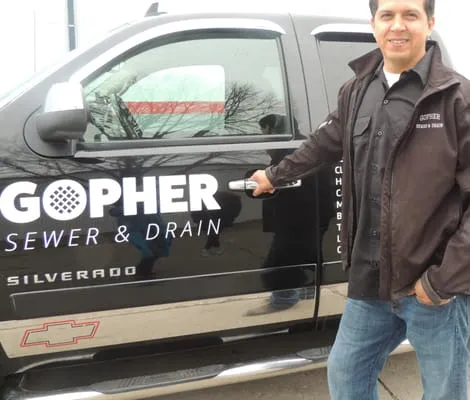
Gopher Sewer & Drain
Gopher Sewer & Drain is your local, family-operated plumbing and drain service in Columbia Heights, MN, founded on the values of honest service and upfront pricing. Since 2009, owner Pedro Tapia has b...
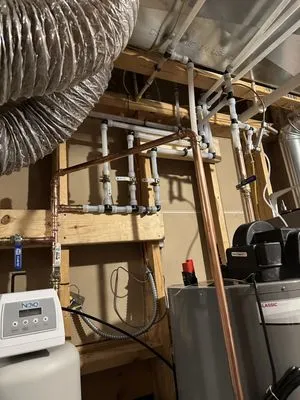
Foster Plumbing
Foster Plumbing is a trusted local plumbing service in Big Lake, MN, owned and operated by Master Plumber Scott Foster. With over a decade of hands-on experience, Scott combines his business acumen wi...
Estimated Plumbing Costs in Dellwood, MN
Frequently Asked Questions
Do I need a permit to replace my water heater in Dellwood?
Yes, Minnesota state plumbing code and Dellwood City Hall require a permit for water heater replacement. As a Master Plumber licensed by the Minnesota Department of Labor and Industry, I pull that permit, schedule the inspection, and ensure the installation meets all current code for expansion tanks, seismic straps, and proper venting. Handling this red tape is part of the job—it protects your home's value and ensures the work is insurable, so you don't have to navigate the process yourself.
My Dellwood home was built around 1980. Are my pipes getting old?
Copper pipe installed in the early 1980s is now 45 to 50 years old. This is the typical lifespan for copper in our area's soil conditions. Homeowners in Dellwood Estates are now seeing a pattern of pinhole leaks, often behind walls or under slabs, caused by decades of internal corrosion and water chemistry. It's not an 'if' but a 'when' situation at this age, and proactive replacement planning is often more cost-effective than chasing emergency repairs.
As a Dellwood homeowner, what should I know about my sewer line?
Most Dellwood homes have a municipal sewer lateral that runs from your house to the main line under the street. The critical section is the first 5 to 10 feet outside your foundation, where shifting soil and tree roots seeking moisture are the primary threats. We recommend a video inspection every few years to spot root intrusion or cracks before they cause a full backup. It's a suburban-specific issue—you're not on a septic system, but you are responsible for that lateral all the way to the city connection.
What's the most important thing to do before spring in Dellwood?
Before the spring thaw hits its peak, disconnect all garden hoses from your exterior faucets. A hose left connected traps water in the faucet body, which will freeze and crack the brass, even if it's a frost-free model. That split won't reveal itself until you turn the water back on in spring, causing a major leak into your basement or crawl space. It's a simple, five-second task that prevents one of our most common seasonal service calls.
Why do I keep getting pinhole leaks in my copper pipes?
Copper pipe from the 1980s is prone to pinhole leaks due to a process called type 2 pitting corrosion. This is an electrochemical reaction between the copper, the minerals in our hard water, and the soil chemistry, which creates highly localized pits that eventually penetrate the pipe wall. The leaks often appear in random spots along horizontal runs, not just at soldered joints. Repairs are temporary; the underlying corrosion continues, making whole-house repiping the definitive solution for widespread failure.
Does White Bear Lake's hard water damage my plumbing?
Yes, the mineral content in our municipal water supply leads to significant scale buildup. Inside your water heater, this scale acts as an insulator, forcing the unit to work harder and fail prematurely. On faucet cartridges and shower valves, it causes stiff handles and reduced flow. A whole-house water softener is the standard recommendation here to protect appliances and fixtures, extending their service life by years.
Could my home's hilltop location cause plumbing problems?
Hilly terrain around White Bear Lake directly stresses your main water service line and sewer lateral. The soil can shift with freeze-thaw cycles, putting strain on pipe connections. For sewer lines, gravity is your friend on a downhill slope, but an uphill lateral requires a grinder pump system, which needs regular maintenance. We always inspect the main line entry point into the basement for stress cracks, a common issue in older homes on sloped lots.
How fast can a plumber get to Dellwood for an emergency?
Our standard dispatch for Dellwood starts from our shop near White Bear Lake. Heading up I-35E, we can typically be at your door within 30 to 45 minutes, traffic permitting. We prioritize local calls to keep that response window tight, knowing a burst pipe or sewer backup won't wait. For planned work, we schedule arrival in a more precise two-hour window to respect your time.
