Top Emergency Plumbers in Deephaven, MN, 55331 | Compare & Call

There are 133 plumbing companies server in Deephaven MN
John's Sewer and Drain Cleaning has been a trusted name in Minneapolis since 1976, founded on deep local roots and family expertise. Father-son owners Larry and Eddie Gillis bring nearly 70 years of c...

Spetz Plumbing Corporation
Spetz Plumbing Corporation is a family-owned plumbing business serving Champlin and the greater Twin Cities area for over three decades. Rooted in the local community, we are licensed, bonded, and ins...
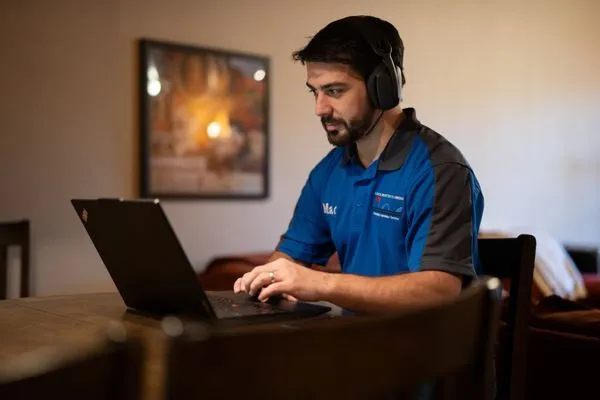
Loch Monster Plumbing
Loch Monster Plumbing is a trusted, family-owned plumbing service serving Minnetonka and the entire Minneapolis/St. Paul metro area. With over 15 years of experience, we are licensed, bonded, and insu...
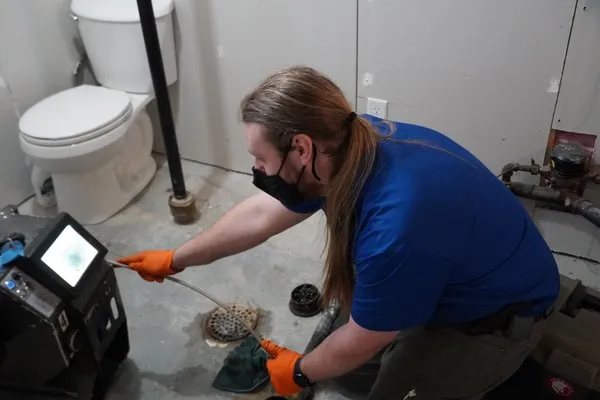
Ron the Sewer Rat has been serving Eagan and the Twin Cities area since 1972, founded by Ron after he experienced overcharging from another plumbing company. With over 20 years of specialized drain cl...
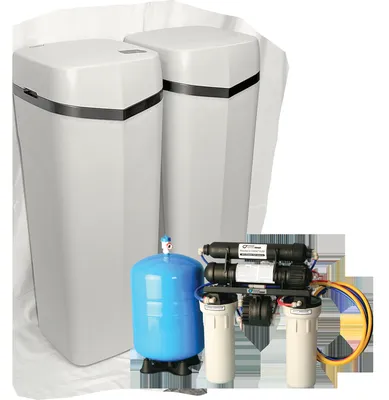
Northern Plumbing & Softening
Northern Plumbing & Softening is a trusted, family-operated plumbing and water treatment company that has been serving the Minneapolis and St. Paul metro area for over 50 years. Our team of licensed, ...

St Paul Pipeworks
St. Paul Pipeworks is a trusted, family-run plumbing business serving Little Canada and the surrounding metro area. Founded and operated by Master Plumber Charlie Avoles, the company brings a second g...
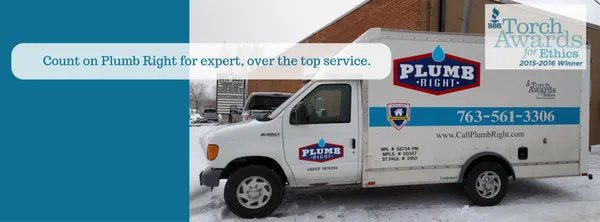
Plumb Right
Plumb Right is a family-owned plumbing company that began serving Brooklyn Park and the Twin Cities in 1988. As a third-generation master plumber, I learned the trade from my father and find genuine s...
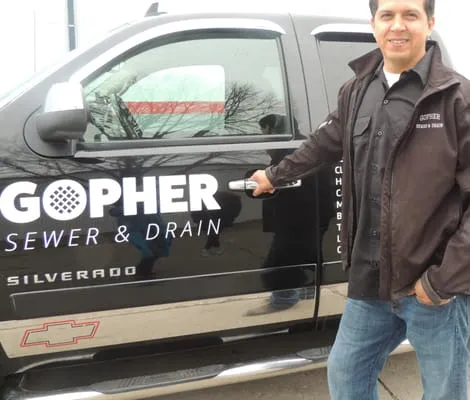
Gopher Sewer & Drain
Gopher Sewer & Drain is your local, family-operated plumbing and drain service in Columbia Heights, MN, founded on the values of honest service and upfront pricing. Since 2009, owner Pedro Tapia has b...
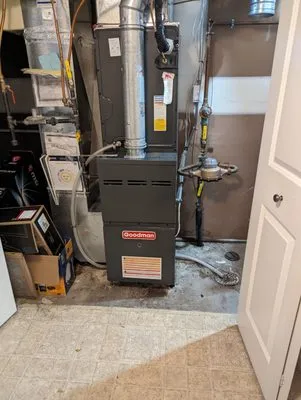
Vector Services
Vector Services has been a trusted home services provider in Minneapolis since 2014, offering reliable HVAC, plumbing, and electrical solutions. We serve residential and commercial properties within a...

Tim’s Quality Plumbing, Heating, & Cooling began in 1981 as a small, family-run business with a simple goal: to provide quality work and treat every customer like a neighbor. Now in its second generat...
Estimated Plumbing Costs in Deephaven, MN
FAQs
How quickly can a plumber reach my Deephaven home during an emergency?
Heading past Lake Minnetonka on MN-7, our dispatch route covers most of Deephaven within 30-45 minutes. We monitor traffic patterns and have multiple trucks positioned to respond efficiently. For urgent situations like burst pipes or sewage backups, we prioritize immediate dispatch. Regular service calls typically follow the same routing but with scheduled arrival windows.
Could my home's hillside location near Lake Minnetonka cause plumbing problems?
Hilly terrain around Lake Minnetonka creates drainage challenges that stress main sewer lines. Gravity flow systems on slopes require proper pitch to prevent backups, while soil shifting can misalign pipe joints. Downhill properties often receive additional surface water that tests drainage capacity. We install backflow prevention devices and reinforce pipe supports in these areas to handle the extra strain.
As a Deephaven homeowner, what should I know about my municipal water system?
Deephaven's municipal water pressure typically ranges 40-80 PSI, which is adequate for most homes but can stress older galvanized pipes. Tree roots seeking moisture often infiltrate sewer laterals, requiring camera inspections to identify intrusions. We recommend installing pressure regulators if your home exceeds 80 PSI and scheduling lateral cleanings every 2-3 years to prevent root blockages.
What permits are needed for plumbing work in Deephaven?
The City of Deephaven Building Department requires permits for water heater replacements, sewer line repairs, and any plumbing alterations. As a Minnesota Department of Labor and Industry licensed master plumber, I handle all permit applications, inspections, and code compliance documentation. This ensures your project meets current standards while protecting your home's value. You won't need to navigate municipal bureaucracy yourself.
What should I do to prepare my plumbing for Minnesota's spring thaw?
Disconnect garden hoses before temperatures drop to 5°F to prevent frozen faucets. Insulate exposed pipes in crawl spaces and basements, paying special attention to north-facing walls. During spring thaw, check for foundation cracks where melting snow can seep in and stress plumbing lines. Keep your thermostat at a consistent temperature day and night to maintain pipe warmth through temperature swings.
My Deephaven Park home was built around 1960 - should I be worried about my plumbing?
Galvanized steel pipes installed in 1960 are now 66 years old, well beyond their typical 40-50 year lifespan. Homeowners in Deephaven Park are seeing frequent pinhole leaks, reduced water pressure from internal corrosion buildup, and rust-colored water. The steel has likely thinned significantly, making entire sections vulnerable to failure. I recommend having a professional inspection to assess remaining pipe integrity before major leaks develop.
Does Lake Minnetonka's hard water damage my plumbing fixtures?
Hard water from Lake Minnetonka causes scale buildup that reduces water heater efficiency by up to 30% over time. Fixtures develop mineral deposits that degrade washers and cartridges, leading to drips and reduced flow. Water heaters accumulate sediment that requires annual flushing to maintain performance. Installing a whole-house water softener can significantly extend the life of your plumbing system and appliances.
Why do my 1960s-era pipes keep springing small leaks?
Galvanized steel pipes from that period develop pinhole leaks as the zinc coating wears off and the underlying steel corrodes. Joints become particularly vulnerable to calcification and rust buildup, restricting water flow. The metal weakens over decades of exposure to minerals in our water. Complete pipe replacement often becomes more cost-effective than repeated spot repairs on 60-year-old systems.
