Top Emergency Plumbers in Cottonwood, MN, 56229 | Compare & Call

There are 234 plumbing companies server in Cottonwood MN
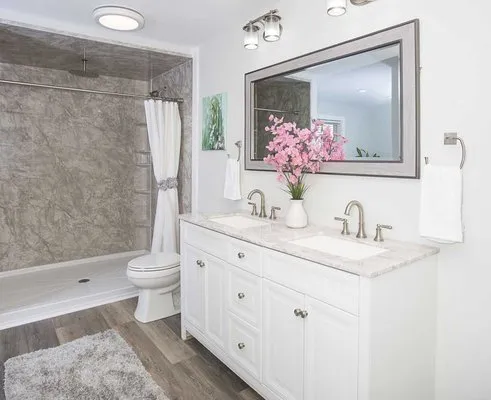
Freedom Plumbing & Remodeling is a trusted, full-service plumbing and remodeling company serving Baltic, SD, and the surrounding area. We specialize in addressing common local plumbing challenges like...
Complete Plumbing has been a trusted fixture in Brookings since 1998, offering reliable plumbing services to homeowners and businesses across the region. With decades of hands-on experience, our team ...

Ekern Plumbing Heating & Air Conditioning
Ekern Plumbing Heating & Air Conditioning is a trusted local provider in Brookings, SD, with deep roots in the community through its parent company, Ekern Home Equipment Company, which also serves Fla...

Perry Electric Air Conditioning and Heating
Perry Electric, Air Conditioning & Heating has been a trusted name in Brookings since Loran Perry founded the electrical contracting business in 1963. The company expanded in the 1970s to include heat...
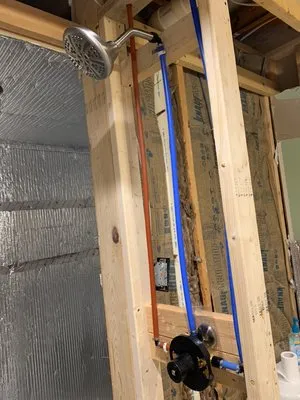
S&S Plumbing and Drain Cleaning is a family-owned plumbing service based in Watertown, SD, with deep roots in the trade. The owner began as an apprentice plumber in the Bakken Oil Fields, working for ...
Kenner Plumbing & Heating is Brookings' trusted local plumbing specialist, dedicated to keeping our community's homes safe and functional. We understand the common headaches Brookings homeowners face,...
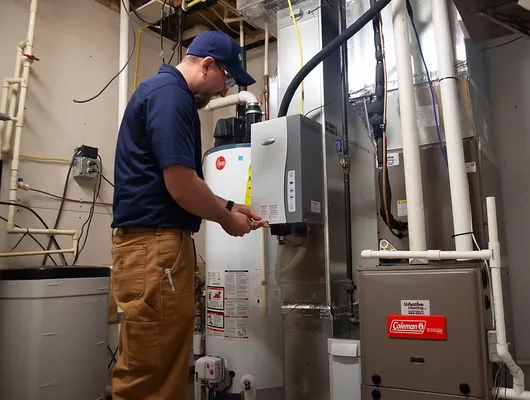
Active Heating
For over four decades, Active Heating has been the trusted HVAC and plumbing specialist for Brookings and the surrounding northeast South Dakota region. We focus on providing reliable heating, cooling...
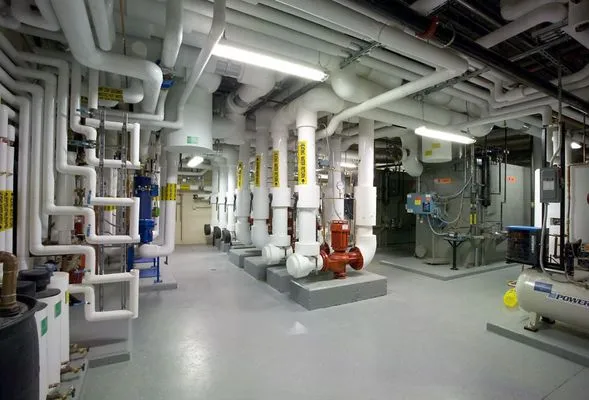
Midwestern Mechanical
Midwestern Mechanical has been a trusted provider of plumbing, heating, HVAC, and fire protection services in Sioux Falls and the surrounding region since 1983. Founded by Dwayne Klarenbeek, the compa...
M & M Plumbing & Heating is a trusted, family-owned plumbing and heating service proudly serving the Brookings, SD community. With over three decades of experience, we provide reliable solutions for b...
Courtesy Plumbing is your trusted, local plumbing expert in Brookings, SD. We specialize in comprehensive plumbing inspections to proactively identify and address the common issues that plague area ho...
Estimated Plumbing Costs in Cottonwood, MN
Frequently Asked Questions
My home in Cottonwood City Center was built in the early 70s. Are my plumbing pipes about to fail?
Homes built around 1972 have copper pipes that are now 54 years old. That's a critical age where the original solder joints and pipe walls begin to wear thin. In Cottonwood City Center, we're seeing a predictable wave of pinhole leaks, especially at fittings and elbows where water flow has eroded the interior over decades. It's not a guarantee of failure, but it is the primary maintenance item for homes of this vintage.
I need a new water heater installed. What permits are required in Lyon County?
Replacing a water heater requires a permit from Lyon County Planning and Zoning, and the installation must meet Minnesota Department of Labor and Industry code. This includes proper seismic strapping, pressure relief valve piping, and venting for gas units. As a licensed master plumber, I pull the permit, schedule the inspection, and handle that red tape. You get the final inspection paperwork for your records, not the hassle.
How fast can a plumber get to my house in Cottonwood during an emergency?
From our local base, a typical dispatch route has us heading past Cottonwood City Park to access State Highway 23, which connects most of the area. Barring severe winter weather, that puts us at your door in 45 to 60 minutes for a true emergency call. We plan routes to minimize back-tracking across the plain, so providing your cross street when you call helps us get there directly.
Why do my copper pipes keep springing pinhole leaks?
Copper pipe installed in 1972 is susceptible to pinhole leaks from a combination of age and our local water chemistry. Over 54 years, persistent flow and minor sediment in well water can thin the pipe wall from the inside. We often find these leaks where hot and cold lines connect, like at water heaters, due to galvanic corrosion where dissimilar metals meet without a proper dielectric union.
What's the most important thing to do with my plumbing before the spring thaw in Cottonwood?
Before the thaw hits its peak, disconnect any garden hoses. A hose left connected traps water in the exterior faucet, which will freeze, expand, and crack the pipe inside your wall. That crack won't reveal itself until you turn the water back on. It's a simple, five-second pro-tip that prevents one of the most common and costly leaks we see after a Snow Belt winter.
Does having a private well with hard water damage my plumbing fixtures?
Yes, the mineral content in well water around here accelerates scale buildup. Inside your water heater, that scale acts as an insulator, forcing the unit to work harder and shortening its lifespan. You'll also see it crust on faucet aerators and showerheads, reducing flow. A properly calibrated water softener is not a luxury here; it's a necessary piece of hardware to protect your water heater and fixtures from premature failure.
Is my septic system or my well pump more likely to need plumbing service?
In a rural setting like ours, the well pump's pressure tank and switch are more frequent service items. Septic systems are generally robust if maintained, but the pump that moves water from your pressure tank into the house has mechanical parts that wear. A loss of water pressure or a pump that cycles on and off constantly are the first signs of an issue, often related to the tank's internal bladder or the pressure switch.
Could the flat land around Cottonwood City Park be causing my slow drains?
The plain terrain here provides very little natural slope for drainage. If your main sewer line has settled or developed a belly—a low spot where waste collects—it will cause chronic slow drains and backups. This is a common issue we diagnose in areas with expansive clay soils. A camera inspection can map the line's pitch from your house to the septic tank or city connection to identify the problem section.
