Top Emergency Plumbers in Columbia Heights, MN, 55421 | Compare & Call

There are 238 plumbing companies server in Columbia Heights MN
John's Sewer and Drain Cleaning has been a trusted name in Minneapolis since 1976, founded on deep local roots and family expertise. Father-son owners Larry and Eddie Gillis bring nearly 70 years of c...
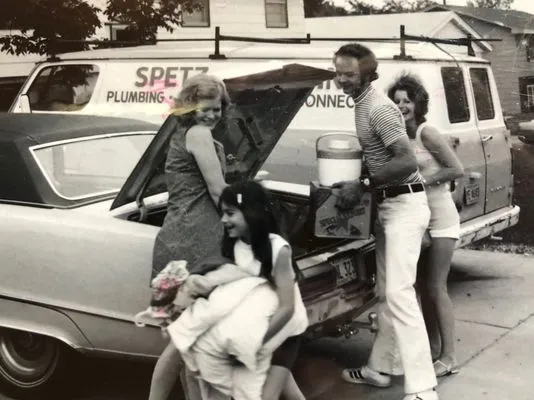
Spetz Plumbing Corporation
Spetz Plumbing Corporation is a family-owned plumbing business serving Champlin and the greater Twin Cities area for over three decades. Rooted in the local community, we are licensed, bonded, and ins...
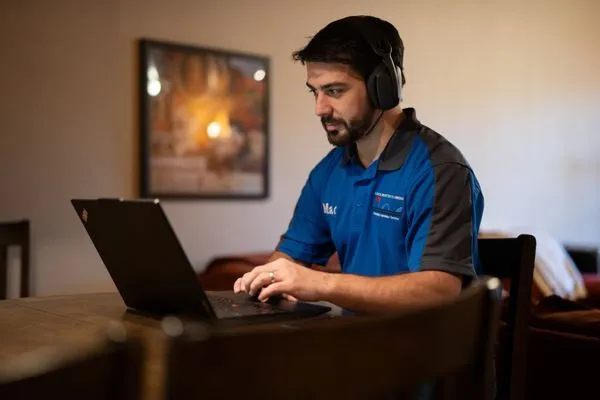
Loch Monster Plumbing
Loch Monster Plumbing is a trusted, family-owned plumbing service serving Minnetonka and the entire Minneapolis/St. Paul metro area. With over 15 years of experience, we are licensed, bonded, and insu...

Norblom Plumbing is a family-owned plumbing company serving Saint Paul, MN, and the surrounding areas since 1923. With three generations of expertise, we provide comprehensive plumbing services for re...
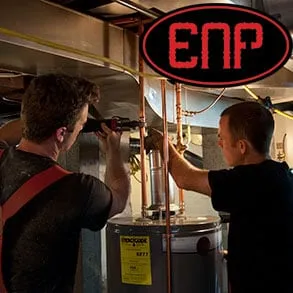
Erik Nelson Plumbing is a trusted local plumbing service based in South Minneapolis, serving the community for over 15 years. With a team of eight experienced plumbers who all live within the service ...
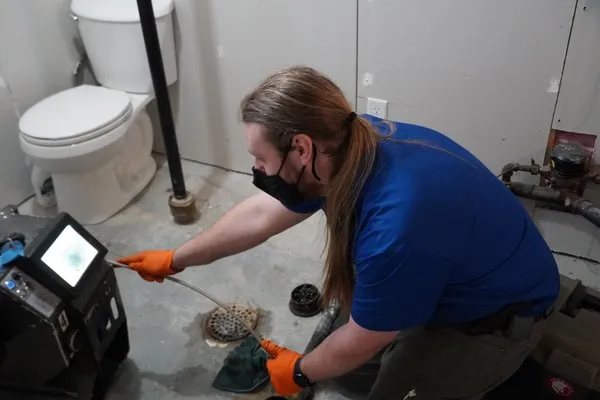
Ron the Sewer Rat has been serving Eagan and the Twin Cities area since 1972, founded by Ron after he experienced overcharging from another plumbing company. With over 20 years of specialized drain cl...
Northern Lights Plumbing is your trusted, local plumbing expert in Minneapolis, MN. We specialize in a comprehensive range of services, from bathtub and faucet repairs to full plumbing system installa...
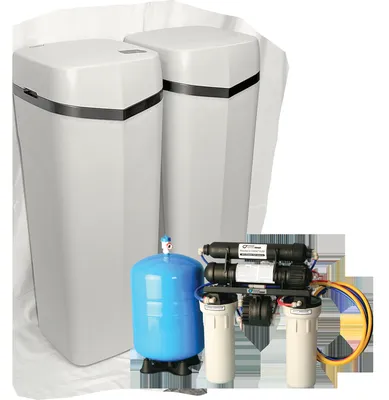
Northern Plumbing & Softening
Northern Plumbing & Softening is a trusted, family-operated plumbing and water treatment company that has been serving the Minneapolis and St. Paul metro area for over 50 years. Our team of licensed, ...

Northeast Handyman is a trusted, locally-owned service in Minneapolis, MN, bringing over 18 years of reliable craftsmanship to homes across the Twin Cities. Licensed and insured, we are your go-to for...
Metro Heating & Cooling
Metro Heating & Cooling is a locally owned, family-oriented HVAC and plumbing company proudly serving Maplewood and the greater Twin Cities. With a team of 38 highly skilled technicians boasting over ...
Estimated Plumbing Costs in Columbia Heights, MN
Question Answers
Does our hard Mississippi River water damage plumbing appliances?
Yes, the mineral content that defines our hard water leads directly to scale buildup. Inside your water heater, this scale acts as an insulator on the heating elements, forcing the unit to work harder and shortening its life. On fixtures and showerheads, it clogs aerators and reduces flow. A whole-house water softener is the standard local solution to protect your hardware and improve efficiency.
What's the most important spring plumbing tip for Minnesota winters?
The critical action happens during the spring thaw. After a winter with lows around 6°F, the ground freezes deep. As it thaws, shifting soil can stress and break buried water lines and sewer laterals. Before the thaw peaks, check your basement for any new dampness or cracks in the foundation that might indicate a line has been compromised. Catching a shift early prevents a major leak or backup.
My Columbia Heights house was built in the early 1960s. What should I expect from my plumbing?
Your galvanized steel pipes are now 65 years old, which is well beyond their functional lifespan. Homeowners along the Central Ave Corridor are seeing a sharp increase in leaks and rust-colored water as the interior of these pipes corrodes and flakes away. This corrosion significantly reduces water pressure and volume at your fixtures. Total pipe failure is not a question of if, but when, and proactive replacement is often more cost-effective than repeated emergency repairs.
Could the flat land here cause plumbing drainage problems?
The relatively plain terrain around Columbia Heights, including near Huset Park, can complicate drainage. Without significant natural slope, stormwater and groundwater have less impetus to move away from your foundation. This constant moisture saturation puts hydrostatic pressure on your basement and can stress the main sewer line, increasing the risk of infiltration and root intrusion from seeking water sources.
As a suburb, what are common main line issues here versus in the city?
Suburban settings like ours still face municipal pressure variations that can stress aging pipes. The most frequent issue is sewer lateral blockages from tree roots, which are drawn to the moisture and minor leaks in old clay or cast iron lines common to these neighborhoods. Unlike a rural well system, you're connected to city water and sewer, but the responsibility for the lateral from the house to the main is yours.
How fast can a plumber get to my house in Columbia Heights?
For a call from the Huset Park area, the dispatch route is straightforward. Heading past Huset Park to the I-694 on-ramp provides a direct arterial across the north metro. That route typically puts us on-site within 30 to 45 minutes of your call, barring major traffic incidents. We factor this corridor into our scheduling to provide reliable, predictable arrival windows for service.
Do I need a permit to replace my water heater or repipe my house?
Yes, Columbia Heights Building Inspections requires permits for major plumbing work like water heater replacements or whole-house repiping. As a Master Plumber licensed by the Minnesota Department of Labor and Industry, I pull all necessary permits, schedule inspections, and ensure the work meets current code. My crew handles that red tape so you don't have to navigate the process, and you receive a final inspection certificate for your records.
Why do I keep getting pinhole leaks in my old pipes?
Galvanized steel installed around 1961 fails in a predictable pattern. Decades of internal corrosion thin the pipe walls, creating weak spots that erupt as pinhole leaks. Simultaneously, mineral scale and rust buildup at the threaded joints—a process called joint calcification—restricts flow and can cause the fittings to crack under stress. These are terminal symptoms; spot repairs often just shift the failure point to the next weakest section of pipe.
