Top Emergency Plumbers in Buffalo, MN, 55313 | Compare & Call

There are 160 plumbing companies server in Buffalo MN
John's Sewer and Drain Cleaning has been a trusted name in Minneapolis since 1976, founded on deep local roots and family expertise. Father-son owners Larry and Eddie Gillis bring nearly 70 years of c...
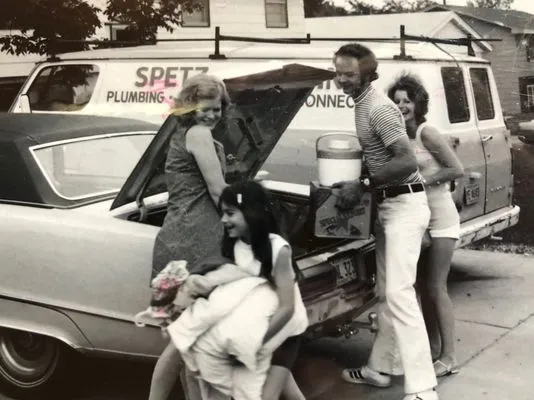
Spetz Plumbing Corporation
Spetz Plumbing Corporation is a family-owned plumbing business serving Champlin and the greater Twin Cities area for over three decades. Rooted in the local community, we are licensed, bonded, and ins...
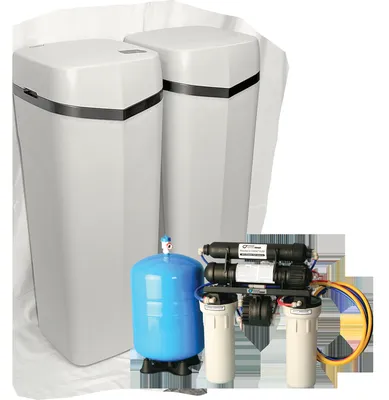
Northern Plumbing & Softening
Northern Plumbing & Softening is a trusted, family-operated plumbing and water treatment company that has been serving the Minneapolis and St. Paul metro area for over 50 years. Our team of licensed, ...

St Paul Pipeworks
St. Paul Pipeworks is a trusted, family-run plumbing business serving Little Canada and the surrounding metro area. Founded and operated by Master Plumber Charlie Avoles, the company brings a second g...
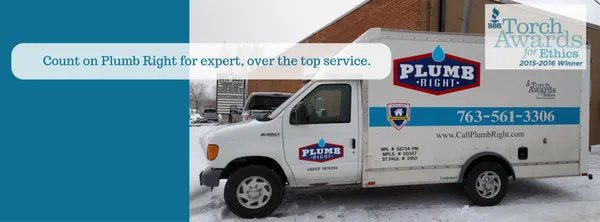
Plumb Right
Plumb Right is a family-owned plumbing company that began serving Brooklyn Park and the Twin Cities in 1988. As a third-generation master plumber, I learned the trade from my father and find genuine s...
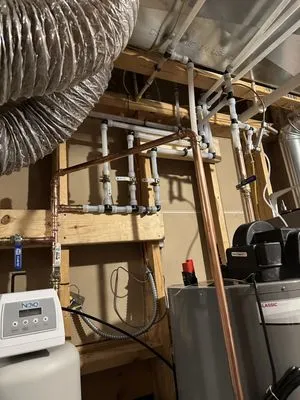
Foster Plumbing
Foster Plumbing is a trusted local plumbing service in Big Lake, MN, owned and operated by Master Plumber Scott Foster. With over a decade of hands-on experience, Scott combines his business acumen wi...
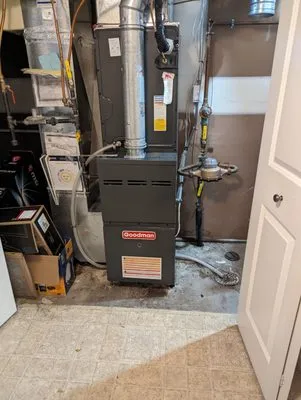
Vector Services
Vector Services has been a trusted home services provider in Minneapolis since 2014, offering reliable HVAC, plumbing, and electrical solutions. We serve residential and commercial properties within a...

Tim’s Quality Plumbing, Heating, & Cooling began in 1981 as a small, family-run business with a simple goal: to provide quality work and treat every customer like a neighbor. Now in its second generat...
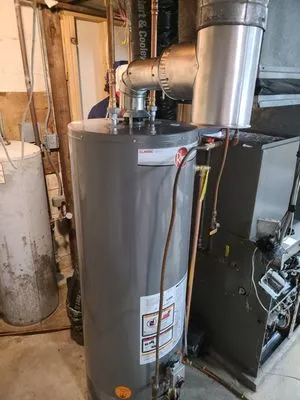
Legend Services is your trusted, local partner for plumbing, heating, and air conditioning in Corcoran and the Western metro. Founded on decades of expertise, we've been a fixture in the community sin...
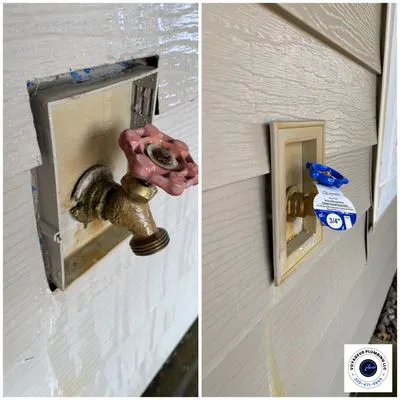
Voyageur Plumbing is a licensed plumbing service founded in 2023 by Cole and his wife Sarah, serving Milaca and surrounding communities within a 60-mile radius. With over a decade of industry experien...
Estimated Plumbing Costs in Buffalo, MN
Question Answers
Could my home's location near Buffalo Lake cause plumbing issues?
The low-lying terrain around Buffalo Lake can lead to consistently high soil moisture. This saturated ground puts constant, uneven pressure on your main sewer line as it settles, potentially causing bellies or cracks. It also means your sump pump and drainage system are critical components. Ensuring proper grading away from your foundation and a functional sump pump is non-negotiable for preventing water intrusion and related plumbing emergencies.
Do I need a permit to replace my water heater or repipe my house?
Yes, most major plumbing work in Buffalo requires a permit from the Buffalo Building Department. As a master plumber licensed by the Minnesota Department of Labor and Industry, I handle pulling those permits, scheduling inspections, and ensuring all work meets the current state plumbing code. My credential means the red tape and compliance details are managed professionally, protecting your investment and keeping your home insurance valid.
What should I do to prepare my plumbing for a Buffalo winter?
Our Snow Belt winters, with lows around 4°F, demand proactive measures. The critical pro-tip is to disconnect and drain outdoor hoses before the first hard freeze and shut off the interior valve to those bibs. Insulate pipes in unheated crawl spaces or garages. Pay special attention during the spring thaw peak, as rapid temperature swings can reveal weaknesses in pipes that contracted during the deep freeze.
Why are my copper pipes starting to leak now?
Your home's copper plumbing, installed around 1993, is now about 33 years old. In Buffalo Highlands, we're seeing many of these original copper lines reach the end of their service life due to decades of mineral interaction with our hard water. The thinness of the pipe walls from that era means pinhole leaks and joint failures become common. This isn't a flaw in your maintenance; it's simply the expected lifespan for this material in our local water conditions.
How fast can a plumber get to my house in Buffalo?
A local dispatch typically heads past Buffalo Lake on Minnesota State Highway 55, which provides a direct route into the Buffalo Highlands and surrounding neighborhoods. From our shop, that's a reliable 20 to 30 minute drive under normal conditions. We factor in local traffic patterns and seasonal road work to provide accurate arrival windows, so you're not left waiting.
As a suburban homeowner, what are my main plumbing concerns?
In suburban Buffalo, your lateral sewer line from the house to the municipal main is a primary concern, especially with mature tree roots seeking moisture. Municipal water pressure is generally stable, but pressure-reducing valves can fail. Unlike rural settings with wells and septic, you're reliant on city infrastructure, so knowing the location of your main water shutoff valve and cleanout is your first line of defense against internal damage.
Does the water from Buffalo Lake damage my appliances?
The hard water minerals from Buffalo Lake and our aquifer deposit as scale inside pipes and appliances. Your water heater's heating elements become insulated by this rock-like coating, forcing it to work harder and fail sooner. We also see reduced flow and premature seal failure in faucets and shower valves. Installing and maintaining a whole-house water softener is the most effective defense to extend the life of your hardware.
What causes those small, persistent leaks in my copper pipes?
The primary culprit for 1993-era copper in Buffalo is pitting corrosion, accelerated by our hard water. Over 30 years, scale buildup creates a corrosive environment that eats through the pipe wall from the inside, starting as a tiny pinhole. You'll often find these leaks at solder joints or where pipes contact dissimilar metals without a proper dielectric union. Replacing entire failing sections, rather than just patching, is usually the most reliable fix.
