Top Emergency Plumbers in Arthur, MN, 55051 | Compare & Call

There are 92 plumbing companies server in Arthur MN
For over 25 years, Erdmann Rooter Service has been the trusted local name for plumbing and drain solutions in Aberdeen. As a locally owned and operated business, we understand the unique needs of home...

Freedom Plumbing & Remodeling is a trusted, full-service plumbing and remodeling company serving Baltic, SD, and the surrounding area. We specialize in addressing common local plumbing challenges like...
Chase's Plumbing is Webster, SD's trusted, full-service plumbing contractor. We provide reliable solutions for the specific challenges local homeowners face, like frozen septic systems and persistent ...
S&S Plumbing and Drain Cleaning is a family-owned plumbing service based in Watertown, SD, with deep roots in the trade. The owner began as an apprentice plumber in the Bakken Oil Fields, working for ...

Pahl's Designer Showrooms
Pahl's Designer Showrooms in Watertown, SD, is a trusted local resource for electrical and plumbing solutions, backed by decades of family-owned expertise. As part of J.H. Larson Company, established ...
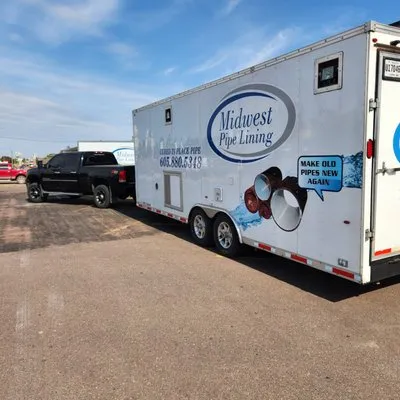
Midwest Pipe Lining is a family-owned and operated business serving Watertown and the surrounding communities. We specialize in trenchless sewer repair solutions, including CIPP lining and spot repair...

1st Choice Sewer & Septic Service is your local Watertown plumbing and sewer specialist. We are focused on providing reliable sewer and septic solutions for homeowners and businesses in our community....
Andor Inc Taecker Plumbing & Heating
Andor Inc Taecker Plumbing & Heating has been a trusted family-operated service in Watertown, SD since 1957. We specialize in comprehensive plumbing, heating, cooling, and ventilation solutions, inclu...
Warne Plumbing & Heating
Warne Plumbing & Heating is a trusted local plumbing service in Watertown, SD, dedicated to addressing common household plumbing issues faced by area homeowners. We specialize in comprehensive solutio...
Harry's Elite Drain & Sewer Cleaning is Watertown's trusted plumbing specialist, serving the community with reliable drain and sewer solutions. We understand the unique challenges Watertown homeowners...
Estimated Plumbing Costs in Arthur, MN
Frequently Asked Questions
How long does it take for a plumber to get here in an emergency?
My typical dispatch route from Arthur Community Center takes me north on US-75. That puts me in most parts of Arthur within a 45 to 60 minute window once I'm on the road. I factor in local conditions, like winter weather on those open roads, which can add time. For true emergencies, I communicate that ETA clearly so you know when to expect me.
Why do I keep getting pinhole leaks in my copper pipes?
Copper pipes installed around 1981 are susceptible to pinhole leaks due to a combination of age and our water chemistry. Over 45 years, the protective interior oxide layer can break down, allowing aggressive well water to erode the pipe wall. The leaks often start at solder joints or where pipes contact dissimilar metals without proper dielectric unions. This isn't a general defect; it's a localized corrosion failure specific to the pipe's environment and installation.
Does hard water from my well ruin my water heater?
Yes, it accelerates wear. Hard water contains minerals like calcium and magnesium that precipitate out as scale when heated. In a water heater, this scale builds up on the bottom of the tank and on the heating elements, reducing efficiency and causing them to overwork. You'll hear more rumbling and popping, and the unit's lifespan can be cut significantly. Installing a whole-house water softener is the most effective defense for protecting all your appliances and fixtures.
My house was built in the early 80s. Are my copper pipes about to start failing?
Pipes from 1981 are now 45 years old. In Arthur Township Central, we see copper from that era entering its failure window. Homeowners often report a persistent metallic taste in their water or a noticeable drop in water pressure before a pinhole leak becomes visible. This is a sign of internal wall thinning from decades of water flow and local mineral content. Proactive inspection of supply lines and behind fixtures can prevent a small leak from becoming major damage.
Do I need a permit to replace my own water heater?
In Traverse County, most plumbing work, including water heater replacement, requires a permit from Planning and Zoning to ensure it meets state code. As a Master Plumber licensed by the Minnesota Department of Labor and Industry, I pull those permits, schedule the required inspections, and guarantee the work passes. I handle that red tape so you don't have to navigate it yourself, and it provides you with a documented, legal upgrade to your home's systems.
Could the flat land here be causing my slow drains?
The plain terrain around Arthur Community Center lacks the natural slope for ideal drainage. Waste lines from your home to the septic tank or main sewer rely on a precise, consistent pitch. In very flat areas, even a slight settling of the soil over decades can create a low spot or 'belly' in the pipe where waste and grease accumulate. This is a common cause of recurrent slow drains in older homes here, and it often requires a camera inspection to diagnose the exact location of the blockage or sag.
What's the most important plumbing task before the spring thaw?
Ensure your main water shut-off valve inside the home operates smoothly. When the ground thaws after a 1-degree winter, shifting soil can stress buried service lines, potentially causing a break between your well and house. If that happens, you need to stop the water flow instantly at the interior valve. A frozen or seized valve during a line break turns a manageable repair into a flooded basement. Testing it in late winter is a critical pro-tip for our Snow Belt climate.
Is maintaining a private well and septic system more complicated?
It requires a different focus than city systems. You're responsible for the entire water and waste cycle, from the well pump and pressure tank to the septic tank and drain field. Water quality testing becomes your task, and septic pumping needs scheduling every 3-5 years. Repairs, like a failing pump or a clogged leach field, are your direct responsibility. Understanding this integrated system helps you spot early warning signs, like a sputtering faucet or soggy ground near the drain field.
