Top Emergency Plumbers in Zilwaukee, MI, 48601 | Compare & Call

There are 41 plumbing companies server in Zilwaukee MI
Main Drain Service is a family-owned plumbing company serving Columbiaville, MI, with over a decade of experience in drain maintenance across metro Detroit. Founded by a lifelong handyman and former p...
Mr. Rooter Plumbing of Detroit
Mr. Rooter Plumbing of Detroit is a locally owned and operated plumbing service proudly serving Macomb, MI, and the surrounding Detroit area. Owner Mike, a dedicated service business enthusiast with m...
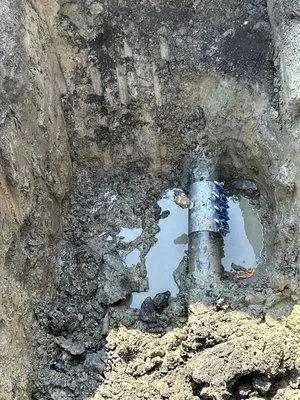
Advantage Plumbing & Heating is a trusted local plumbing service in Mount Morris, MI, dedicated to helping homeowners resolve common plumbing emergencies like laundry hose bursts and pipe corrosion. W...
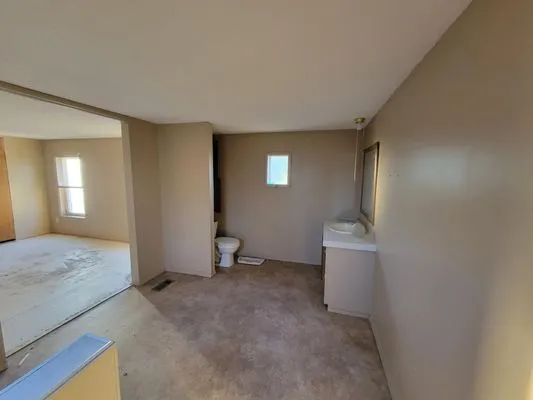
MS Renovations is a Grand Blanc-based home improvement company with four years of experience specializing in comprehensive mobile home renovations and general residential repairs. We handle everything...
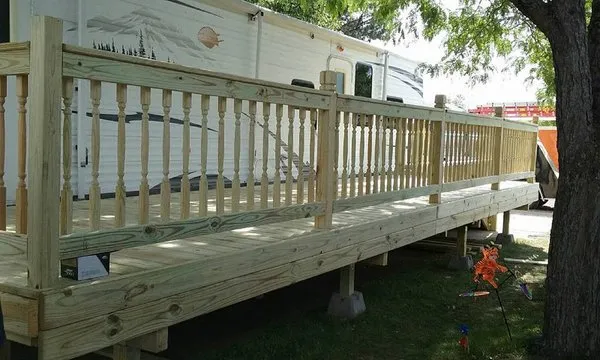
Founded by Mikel in December 2015, Above The Rest Construction brings a distinct approach to building in Burton. With over 18 years of hands-on industry experience, Mikel started the company to ensure...

Mid-State Sewer Service is a licensed and established plumbing resource for Freeland residents and businesses. Since 2019, we've provided reliable drain and sewer solutions, from routine maintenance t...
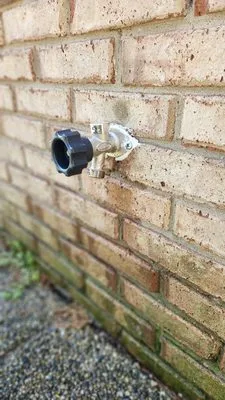
Scott Plumbing Systems is a trusted, locally-owned plumbing company serving Saginaw, MI, and the surrounding communities. With expertise in everything from routine faucet repairs to complex gas line a...
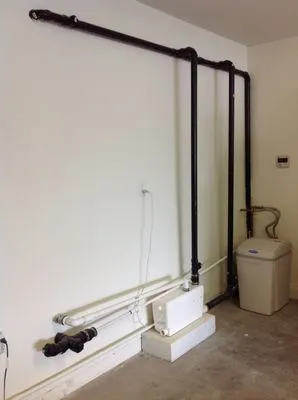
Mike's Handyman Services is a Bay City-owned and operated business, founded by Mike, a Navy veteran and journeyman plumber. His service in the Navy instilled a strong sense of discipline and integrity...
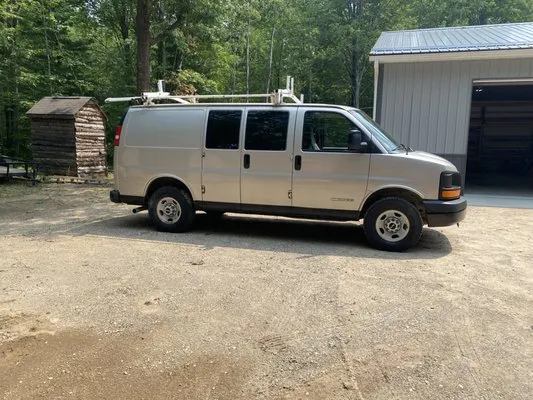
SM Home Services is your trusted, full-service home solutions provider in Lennon, MI. We offer expert plumbing, electrical, and HVAC services to keep your home safe and comfortable. For Lennon homeown...

R&D Solutions is a trusted plumbing service provider in Saginaw, MI, specializing in comprehensive solutions for residential plumbing needs. We address common local issues like lead pipe concerns and ...
Estimated Plumbing Costs in Zilwaukee, MI
Common Questions
As a suburban homeowner here, what's the biggest hidden plumbing risk I might not know about?
The lateral sewer line from your house to the city main. In these older suburbs, it's often the original clay or cast iron pipe. Tree roots seek the moisture and nutrients inside, especially at old joint connections. They can completely block the line, causing a backup that is the homeowner's financial responsibility to repair, not the city's.
Do I need a permit to replace my water heater, and how does that work?
Yes, the Zilwaukee City Hall Building Department requires a permit for water heater replacement, as does the state plumbing code. As a licensed Master Plumber through the Michigan Department of Licensing and Regulatory Affairs, I pull the permit, schedule the inspection, and ensure the installation meets all code for safety and expansion tank requirements. You get the paperwork handled without the hassle.
Does Lake Huron water affect my plumbing fixtures and water heater?
Yes, directly. Saginaw Bay draws from Lake Huron, and that water is very hard. The dissolved minerals precipitate as scale. Inside a water heater, this scale insulates the heating elements, forcing them to work harder and fail sooner. On faucet cartridges and shower valves, the grit from scale acts like sandpaper, wearing out seals and causing drips.
How fast can a plumber get to my house near the Zilwaukee Bridge in an emergency?
Heading past Zilwaukee Bridge on I-75 gives a direct route into most neighborhoods. From that starting point, a 20-30 minute response is standard for a local, on-call master plumber. Knowing the bridge and interstate exits means we aren't relying on GPS for the final turns, which shaves critical minutes off the clock during a leak.
What's one thing I should do every spring to avoid a plumbing disaster?
Before the spring thaw hits its peak, disconnect your garden hoses and shut off the exterior hose bibs from inside the house. Drain the outdoor lines. A forgotten hose traps water; when overnight temps still dip near 15°F during the thaw, that water freezes, splits the pipe, and floods your basement when it thaws. It's the most common seasonal call we get.
My 1950s Zilwaukee home has a small, steady leak I can't find. What's happening?
Galvanized steel from that era fails from the inside out. Pinhole leaks are common where the pipe wall has thinned from rust, often hidden inside walls. At joints, decades of mineral deposits from our hard water can calcify and crack the fittings. The leak you see is usually the endpoint; the compromised section of pipe is often longer.
Could the flat, low land around here be causing my slow drains?
Low-lying terrain near the Saginaw River affects drainage. If the main sewer line from your house to the street has a shallow slope or a belly, gravity can't carry waste effectively, leading to chronic slow drains and backups. Soil movement over decades can also stress and misalign those older cast iron or clay pipes, creating a point for roots to invade.
Why are all my neighbors in Zilwaukee City Center suddenly dealing with rusty water?
Your galvanized steel pipes are now 68 years old, installed around 1958. At this age, the zinc coating inside has fully eroded, exposing the raw steel to oxygen and water. Homeowners are seeing persistent brown water, low pressure from widespread scale buildup, and the first wave of total pipe failures. It's the predictable end-of-service life for this material in our area.
