Top Emergency Plumbers in Woodhull, MI, 48840 | Compare & Call

There are 115 plumbing companies server in Woodhull MI
Brock's Plumbing & Sewer Cleaning
Brock's Plumbing & Sewer Cleaning is a Detroit-based plumbing company that has been serving homeowners and businesses since 2003. Founded by a licensed and insured plumber with experience from a natio...
Mr. Rooter Plumbing of Detroit
Mr. Rooter Plumbing of Detroit is a locally owned and operated plumbing service proudly serving Macomb, MI, and the surrounding Detroit area. Owner Mike, a dedicated service business enthusiast with m...
Haley Mechanical
Haley Mechanical has been a trusted name in Dexter and Southeast Michigan since 1998, providing dependable heating, cooling, plumbing, electrical, and geothermal services. As a locally owned and opera...
C&C Mechanical is a trusted plumbing and hydronic heating contractor serving Pinckney, MI, with over 36 years of industry experience. Founded by owner James in Novi, MI in 1986, the company later oper...
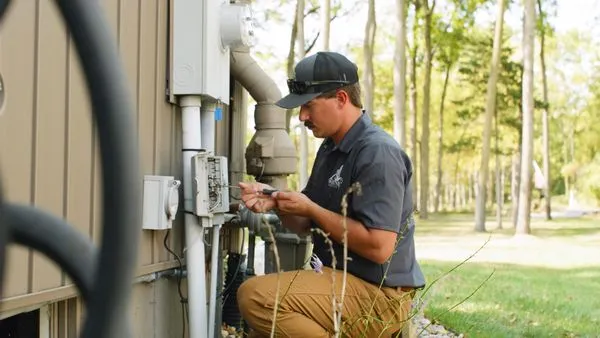
Whitney Services
Whitney Services is a licensed and insured plumbing, electrical, and HVAC company serving Lansing, Michigan, and the surrounding areas. Founded on principles of integrity, honesty, and professionalism...
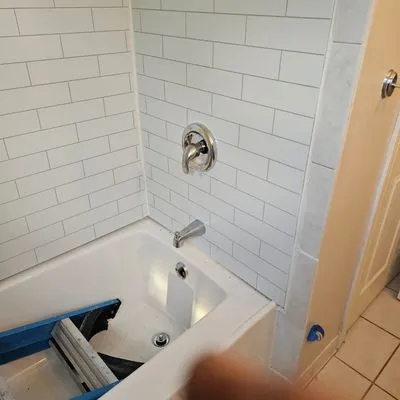
Holliday Service Company is a veteran-owned and operated plumbing business serving Howell, MI, and surrounding areas for over 30 years. Founded by a professional who saw too many companies treating cu...
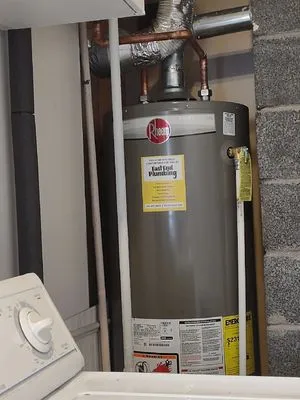
East End Plumbing is a trusted local plumbing company serving Kentwood and the surrounding communities. We specialize in a wide range of residential plumbing services, from emergency repairs to full i...
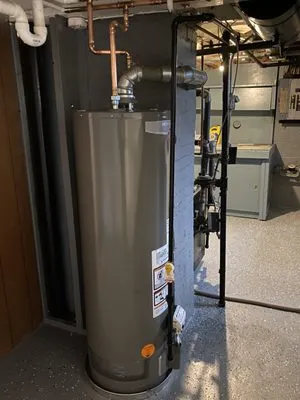
AB & RD Management Group is a trusted, full-service provider for Lansing, MI, handling everything from emergency plumbing repairs to complete kitchen and bathroom remodels. Our team brings a professio...
Mr. Rooter Plumbing of Greater Lansing Area
Mr. Rooter Plumbing of Greater Lansing Area is your trusted, locally-operated plumbing expert in Saint Johns, MI. With a foundation built on honesty and quality workmanship established in 1970, we bri...
Quality Plumbing And Drain
Quality Plumbing And Drain is a trusted, full-service plumbing company serving Battle Creek, MI, and the surrounding areas. We specialize in addressing the common plumbing challenges faced by local ho...
Estimated Plumbing Costs in Woodhull, MI
Question Answers
My copper pipes are from 1986 - should I be worried about them failing soon?
Copper pipes installed around 1986 are now 40 years old, which is when many systems in Woodhull and Shaftsburg start showing age-related issues. Homeowners often notice increased pinhole leaks, especially at joints where solder has weakened over decades. The copper itself remains structurally sound, but the connections and fittings experience stress from thermal expansion cycles. Regular inspections can identify early signs of corrosion before they become emergencies.
What permits or inspections do I need for plumbing work in Woodhull Township?
Woodhull Township Building Department requires permits for most plumbing modifications, including water heater replacements and sewer line repairs. As a licensed professional through Michigan Department of Licensing and Regulatory Affairs, I handle the permit applications and coordinate required inspections. This ensures your project meets current code standards without you navigating bureaucratic red tape. Proper documentation also protects your home's value during future sales.
What should I do to prepare my plumbing for Michigan's cold winters and spring thaws?
Insulate exposed pipes in crawl spaces and basements before temperatures drop to 15°F. During spring thaw, check for foundation cracks where melting snow can seep in and stress your main water line. Keep cabinet doors open on extremely cold nights to allow warm air to circulate around pipes. These simple measures prevent most freeze-related emergencies common in our temperate climate.
As a rural homeowner with a well and septic system, what plumbing maintenance do I need that city folks don't?
Private well systems require annual pressure tank checks and periodic water testing to monitor for sediment that can damage fixtures. Septic systems need regular pumping every 3-5 years to prevent backups into your home's drains. Unlike municipal water users, you're responsible for maintaining the entire water delivery and waste removal chain. Scheduling these services prevents costly emergencies that urban residents avoid through public infrastructure.
Could the flat land around Looking Glass River be causing my drainage problems?
Plain terrain with minimal slope creates drainage challenges around Woodhull properties. Water tends to pool rather than flow away from foundations, putting constant hydrostatic pressure on your main sewer line. Over time, this saturation can cause soil shifting that stresses pipe connections. Proper grading away from your home's foundation and French drain installation help manage the water table's impact on your plumbing system.
How quickly can a plumber reach my home if I have a water emergency?
Heading past Looking Glass River on I-69, our typical dispatch route covers most Woodhull addresses within 45-60 minutes. We monitor traffic patterns and weather conditions to optimize routing, especially during spring thaw when road conditions can change rapidly. For urgent situations like burst pipes, we prioritize immediate dispatch to minimize water damage to your property.
Why do my copper pipes keep developing small leaks even though they're not that old?
Copper pipes from the mid-1980s often develop pinhole leaks due to a combination of factors. The solder joints from that era contain higher lead content than modern standards allow, making them more susceptible to corrosion. Additionally, water chemistry from private wells accelerates joint calcification, creating weak points where leaks form. These failures typically occur at elbows and tees rather than straight pipe sections.
Does hard water from my well damage my plumbing fixtures and water heater?
Hard water containing high mineral content causes scale buildup that reduces efficiency in water heaters and fixtures. Inside your water heater, scale accumulates on heating elements and tank surfaces, forcing the unit to work harder and shortening its lifespan. Faucets and showerheads develop restricted flow as mineral deposits clog aerators. Installing a whole-house water softener protects your plumbing investment by preventing this gradual damage.
