Top Emergency Plumbers in Williams, MI, 48611 | Compare & Call

There are 74 plumbing companies server in Williams MI
Main Drain Service is a family-owned plumbing company serving Columbiaville, MI, with over a decade of experience in drain maintenance across metro Detroit. Founded by a lifelong handyman and former p...
Mr. Rooter Plumbing of Detroit
Mr. Rooter Plumbing of Detroit is a locally owned and operated plumbing service proudly serving Macomb, MI, and the surrounding Detroit area. Owner Mike, a dedicated service business enthusiast with m...
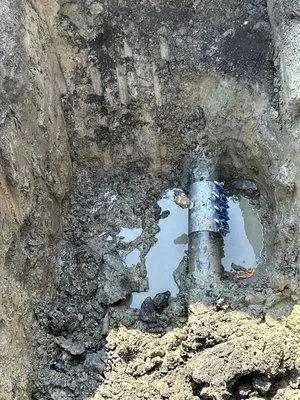
Advantage Plumbing & Heating is a trusted local plumbing service in Mount Morris, MI, dedicated to helping homeowners resolve common plumbing emergencies like laundry hose bursts and pipe corrosion. W...

Fenton Mechanical is your trusted local expert for home maintenance and plumbing solutions in Fenton, MI. We specialize in a wide range of services including appliance installation, handyman assembly,...
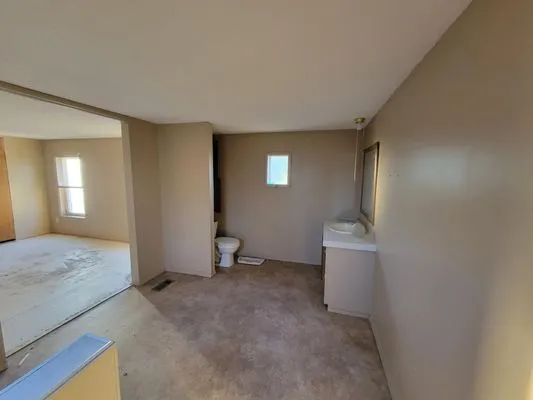
MS Renovations is a Grand Blanc-based home improvement company with four years of experience specializing in comprehensive mobile home renovations and general residential repairs. We handle everything...

Mid-State Sewer Service is a licensed and established plumbing resource for Freeland residents and businesses. Since 2019, we've provided reliable drain and sewer solutions, from routine maintenance t...
Scott Plumbing Systems is a trusted, locally-owned plumbing company serving Saginaw, MI, and the surrounding communities. With expertise in everything from routine faucet repairs to complex gas line a...
Mike's Handyman Services is a Bay City-owned and operated business, founded by Mike, a Navy veteran and journeyman plumber. His service in the Navy instilled a strong sense of discipline and integrity...
SM Home Services is your trusted, full-service home solutions provider in Lennon, MI. We offer expert plumbing, electrical, and HVAC services to keep your home safe and comfortable. For Lennon homeown...

R&D Solutions is a trusted plumbing service provider in Saginaw, MI, specializing in comprehensive solutions for residential plumbing needs. We address common local issues like lead pipe concerns and ...
Estimated Plumbing Costs in Williams, MI
Q&A
What kind of plumbing problems start happening in a 1980s Williams home?
Homes built around 1982 now have copper pipes that are 44 years old. In Williams Township Residential, we're seeing a predictable pattern of failure at this age. The thin-wall Type M copper used then is now showing widespread pinhole leaks, especially in hot water lines. You might notice small green corrosion spots on pipes or a sudden drop in water pressure before a leak becomes apparent.
Can the flat land around here cause plumbing drainage issues?
The plain terrain near the Midland County Fairgrounds lacks the natural slope for good drainage. This means stormwater and snowmelt can pool around your foundation. Over years, that saturated soil puts constant, uneven pressure on your underground main sewer line, which can lead to settling, bellied pipes, or root intrusion at the joints, causing slow drains and backups.
How fast can a plumber get to my house in Williams?
Heading past Midland County Fairgrounds on US-10 is the main route into the area. From there, it's navigating the local township roads. A realistic response time during normal hours is 45 to 60 minutes. For after-hours emergencies, add some buffer for travel from further out, but that's the standard dispatch route we plan for.
Do I need a permit to replace my water heater in Williams Township?
Typically, yes. The Williams Township Building Department requires permits for water heater replacements to ensure proper venting and pressure relief. As a Master Plumber licensed through the Michigan Department of Licensing and Regulatory Affairs, I handle pulling that permit and scheduling the inspection. My license means the work meets state code, so you don't have to navigate the red tape yourself.
How is maintaining a rural home's plumbing system different?
You're responsible for the entire system, from the well pump and pressure tank to the septic field. There's no municipal water pressure to mask issues like a failing pressure switch. Septic system health is directly tied to what goes down your drains. A clog here isn't just an inconvenience; it can mean a septic backup, which requires a different protocol and vendors than a city sewer call.
Does having a private well with hard water damage my plumbing?
Yes, it accelerates wear. Water from a private well here is typically unsoftened and full of minerals. That hardness forms scale buildup inside pipes and appliances. Your water heater's elements will crust over, losing efficiency, and faucet cartridges fail much faster. Installing and maintaining a whole-house water softener is not a luxury here; it's essential hardware to protect your investment.
Why are my copper pipes suddenly leaking all the time?
Copper from the early 80s is prone to a specific failure called Type M pitting. The thinner wall of that pipe, combined with 44 years of our local water chemistry, leads to aggressive pinhole leaks. These often cluster in one section of pipe. It's not a single fix; it usually indicates the system is reaching the end of its service life and requires strategic replacement of affected runs.
What's the most important cold-weather plumbing tip for the Williams area?
Protect your well line and pressure tank from a hard freeze. With lows around 15°F, the shallow bury depth of some well lines is a risk. Before winter, disconnect and drain any garden hoses. During a spring thaw, check your basement for seepage, as melting snow can overwhelm foundation drains. Insulating pipes in crawl spaces is a standard pro-tip in this Snow Belt climate.
