Top Emergency Plumbers in Wexford Township, MI, 49733 | Compare & Call

There are 24 plumbing companies server in Wexford Township MI
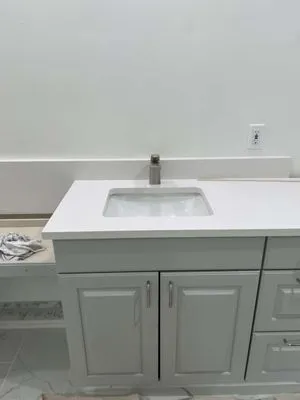
Bentley Plumbing is a family-owned plumbing service in Reed City, MI, with over 20 years of combined experience. Founded by a Master Plumber who now works alongside his two sons as apprentices, we bri...
Walters & Hemming has been a trusted name in Traverse City plumbing and HVAC since 1926. As a family-owned and operated business, we build on nearly a century of experience to provide reliable heating...

Precision Plumbing & Heating
Precision Plumbing & Heating has been serving Traverse City, MI, since 2000 as a trusted, family-owned provider of comprehensive home services. We specialize in plumbing, heating, air conditioning, an...

Drewski Handyman Services is a Cadillac-based business founded on a lifelong passion for craftsmanship and community service. Owner Drew's journey began at age five, learning the trade from his father...
Mr. Rooter Plumbing of Traverse City
Mr. Rooter Plumbing of Traverse City serves Kalkaska, MI, and the surrounding area with reliable plumbing solutions. With over 50 years of industry experience since the original Mr. Rooter was founded...
Roto-Rooter Plumbing & Drain Service
Roto-Rooter Plumbing & Drain Service is your local Traverse City plumbing expert, ready to help 24/7. As part of North America's largest network of plumbing and drain cleaning professionals, we bring ...

Douglas Water Conditioning
Since 1968, Douglas Water Conditioning has been a trusted water treatment resource for Michigan, with a dedicated team in Traverse City ready to serve you. As a Licensed, Bonded, and Insured company w...

Roto Rooter of Northern Michigan
Roto Rooter of Northern Michigan has been serving Traverse City and surrounding communities since 1935, bringing reliable plumbing solutions to local homes and businesses. As part of the Roto-Rooter n...

Sheren Plumbing, Heating and Cooling
Jerry Sheren founded Sheren Plumbing, Heating & Cooling over 30 years ago in Traverse City, drawing on experience from the US Air Force Civil Engineering Division and years in the HVAC industry. Start...
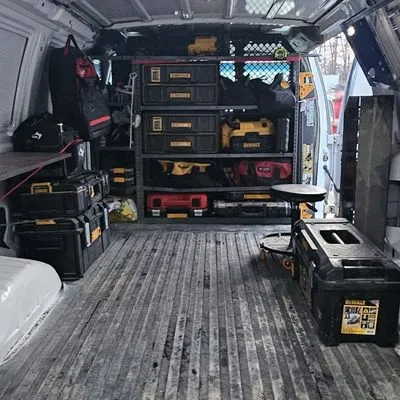
Hi, I'm Hunter, the owner and operator of Jack of All Trades in Traverse City. I'm your local, reliable handyman and repair specialist. I take great pride in the quality of my work, but the most rewar...
Estimated Plumbing Costs in Wexford Township, MI
Common Questions
What should I do to prepare my plumbing for Wexford's cold winters and spring thaw?
Before temperatures drop to 12°F, disconnect and drain outdoor hoses, then shut off exterior faucets from inside. Insulate pipes in unheated crawl spaces and garages. During spring thaw, check your basement for new dampness as frozen ground thaws and shifts foundation pipes. Keep cabinet doors open on cold nights to let warm air circulate around sink plumbing.
Do I need permits for plumbing work on my Wexford Township property, and who handles that?
The Wexford County Building Department requires permits for most plumbing modifications beyond basic repairs. As a Michigan Department of Licensing and Regulatory Affairs licensed master plumber, I handle permit applications, inspections, and code compliance paperwork. This ensures work meets current standards while protecting your home's value. You receive completed documentation for your records without navigating bureaucratic processes yourself.
Could the hilly terrain near Manistee River be causing my drainage problems?
Hilly slopes in Wexford Township create uneven pressure on main sewer lines. Gravity pulls wastewater downhill, but soil shifting on inclines can misalign pipe joints over time. Properties near the river may experience additional stress from seasonal water table changes. Installing proper cleanouts at elevation changes helps maintain flow and provides access for clearing blockages before they back up into your home.
How quickly can a plumber reach my home in Wexford Township during an emergency?
Heading past Manistee River on M-37, most emergency calls take 45-60 minutes from dispatch to arrival. That route covers the main artery through Wexford Corners and surrounding areas. Traffic varies with weather and time of day, but we factor that into our estimates. Having your exact address and problem description ready helps us navigate efficiently once we're in your neighborhood.
As a rural homeowner with a septic system and well, what plumbing maintenance is unique to my situation?
Private wells require annual pressure tank checks and occasional pump replacements as they age. Septic systems need pumping every 3-5 years depending on household size. Avoid chemical drain cleaners that can kill beneficial bacteria in your septic tank. Install backflow preventers on outdoor faucets to protect your well from contamination. Monitor water pressure regularly - sudden drops could indicate well pump or pressure tank issues.
My copper pipes are original to my 1981 Wexford Township home - should I be worried about them now?
Copper pipes installed in 1981 are now 45 years old. At this age, homeowners in Wexford Corners often notice pinhole leaks appearing in straight pipe runs, especially where water sits stagnant overnight. The copper has thinned from decades of water flow and mineral interaction. You might see small damp spots on drywall or hear dripping inside walls before major failures occur. Regular inspections of exposed pipes in basements can catch these early.
Does hard water from my private well damage my water heater and fixtures?
Hard water causes scale buildup that reduces water heater efficiency by 20-30% over time. Mineral deposits accumulate on heating elements and tank interiors, forcing the system to work harder. Fixtures develop reduced flow as aerators clog with calcium deposits. Installing a whole-house water softener protects appliances and maintains consistent pressure throughout your plumbing system.
Why do my 1980s copper pipes keep developing leaks at the joints?
Copper pipes from the early 1980s often fail at soldered joints due to electrolytic corrosion between dissimilar metals. Over 45 years, the solder weakens while mineral deposits create stress points. You'll typically see greenish corrosion or small drips where pipes connect to fixtures or change direction. Installing dielectric unions at problem connections can extend the system's life when repairs are made.
