Top Emergency Plumbers in West Traverse, MI, 49740 | Compare & Call

There are 35 plumbing companies server in West Traverse MI
Walters & Hemming has been a trusted name in Traverse City plumbing and HVAC since 1926. As a family-owned and operated business, we build on nearly a century of experience to provide reliable heating...
Mr. Rooter Plumbing of Traverse City
Mr. Rooter Plumbing of Traverse City serves Kalkaska, MI, and the surrounding area with reliable plumbing solutions. With over 50 years of industry experience since the original Mr. Rooter was founded...

Sheren Plumbing, Heating and Cooling
Jerry Sheren founded Sheren Plumbing, Heating & Cooling over 30 years ago in Traverse City, drawing on experience from the US Air Force Civil Engineering Division and years in the HVAC industry. Start...
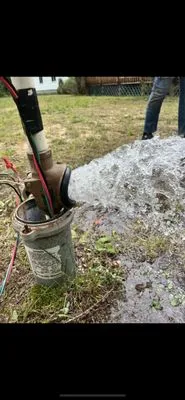
Ron's Repair in Frederic, MI, is a trusted local plumbing and septic service provider with over 20 years of experience. Founded by Ron, a family man who understands the financial pressures households ...
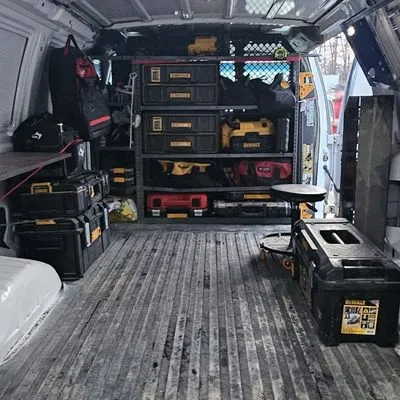
Hi, I'm Hunter, the owner and operator of Jack of All Trades in Traverse City. I'm your local, reliable handyman and repair specialist. I take great pride in the quality of my work, but the most rewar...
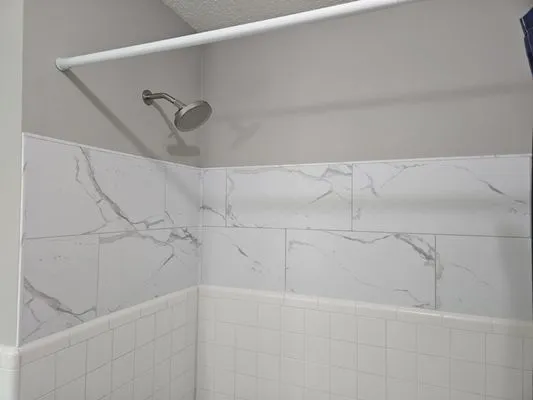
ER Home Maintenance in Elk Rapids, MI, is a fully insured, owner-operated business specializing in seasonal preparation for summer cottages. We focus on cottage winterizing to protect pipes, properly ...
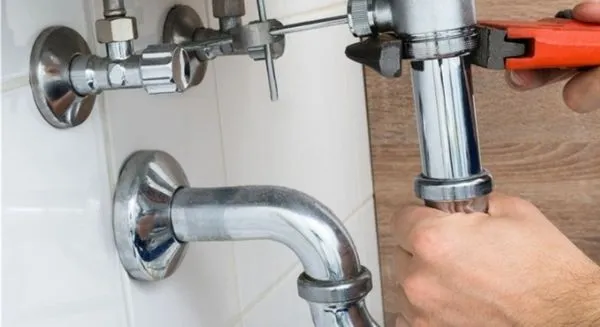
Jack's Drain & Plumbing Repair is your trusted local plumbing expert in Eastlake, MI. We understand that common issues like broken shutoff valves and pipe joint leaks can cause significant stress and ...
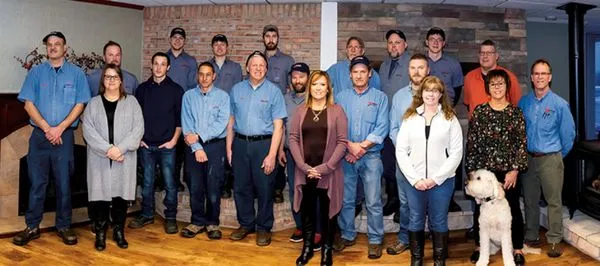
For over 50 years, All Seasons Mechanical has been the trusted plumbing and HVAC partner for families and businesses across Benzie, Manistee, and Grand Traverse counties. As a family-owned and operate...
Werner Plumbing & Heating
For over 70 years, Werner Plumbing & Heating has been the trusted, family-owned choice for Cheboygan, MI, and the surrounding areas. We provide comprehensive residential and commercial solutions for p...
Croff Plumbing & Heating is your trusted, local Vanderbilt plumbing and HVAC expert, ready to tackle everything from routine maintenance to emergency repairs. We specialize in the common issues our ne...
Estimated Plumbing Costs in West Traverse, MI
Q&A
Are there special considerations for plumbing in a rural Emmet County home?
Rural homes here typically operate on a private well and septic system, not city water and sewer. This means water pressure is controlled by a well pump and pressure tank, and any sudden drop in pressure could indicate a pump or switch failure. For the septic system, avoiding chemical drain cleaners is crucial, as they can kill the necessary bacteria in your tank and lead to drain field failure and costly repairs.
What's the most common plumbing repair for a 1990s-era home here?
The most frequent call is for pinhole leaks in copper pipes, particularly on hot water lines. After 35 years, the combination of our hard water's mineral content and the natural electrochemical erosion inside the pipe wall creates weak spots. These leaks often appear first in horizontal runs in basements or crawlspaces. Repairing one pinhole often involves assessing the entire line, as the corrosion causing it is rarely an isolated event.
Could the hilly land near Little Traverse Bay cause plumbing issues?
Yes, the coastal slope and sandy soil common here can stress a main water service line. Over decades, gradual soil shifting or erosion during heavy rains can put strain on the pipe where it enters your home, potentially causing a leak at that connection. It also affects drainage; a property on a slope may have a sewer lateral that is prone to collecting debris or roots at low points, requiring more frequent cleaning.
Does Lake Michigan water damage my home's plumbing fixtures?
The water drawn from Lake Michigan aquifers is very hard, meaning it has high mineral content. This leads to scale buildup, which is most damaging to water heaters by reducing efficiency and shortening their life. It also restricts flow in faucet aerators and showerheads. A whole-house water softener is not just for comfort; it's a protective measure for your water heater, dishwasher, and all your piping by significantly reducing this scaling action.
How quickly can a plumber get to a West Traverse home from Harbor Springs?
From my shop near Harbor Springs, the dispatch route follows the shoreline of Little Traverse Bay before heading south on US-31. Depending on the season and traffic, that drive typically takes 45 to 60 minutes. I plan for this transit time when you call, so you get a realistic arrival window. Having clear access to your driveway or home, especially in winter, helps ensure I can start diagnosing the problem right away.
What's one thing I should do every winter to avoid a frozen pipe disaster?
Before temperatures consistently hit 15°F, disconnect and drain your outdoor garden hoses. A forgotten hose allows water to back up and freeze in the interior bib, which often cracks the pipe inside your wall. This is a leading cause of major spring thaw leaks. For homes with crawlspaces, ensuring all foundation vents are closed is another critical step to keep cold air away from vulnerable supply lines.
Who handles permits for a plumbing project with the Emmet County Building Department?
As a licensed Master Plumber regulated by the Michigan Department of Licensing and Regulatory Affairs, I pull all required permits from the Emmet County Building Department for any work that needs it. This ensures the installation meets current code for safety and insurance purposes. My responsibility is to handle that red tape, schedule the inspections, and make sure the job is documented correctly so you don't have to.
Are my copper pipes from the 90s in Harbor Springs getting to a problematic age?
Your copper plumbing, installed around 1991, is now 35 years old. That is a typical lifespan for copper systems in our area. Homeowners in Harbor Springs and West Traverse are now seeing an increase in pinhole leaks and joint failures, especially at solder points that have been stressed by decades of thermal expansion and our hard water. The original installation techniques from that era are also a factor, as some joints may not have been properly prepped for the aggressive water conditions we have here.
