Top Emergency Plumbers in Waverly, MI, 48917 | Compare & Call

There are 127 plumbing companies server in Waverly MI
Brock's Plumbing & Sewer Cleaning
Brock's Plumbing & Sewer Cleaning is a Detroit-based plumbing company that has been serving homeowners and businesses since 2003. Founded by a licensed and insured plumber with experience from a natio...
Whitney Services
Whitney Services is a licensed and insured plumbing, electrical, and HVAC company serving Lansing, Michigan, and the surrounding areas. Founded on principles of integrity, honesty, and professionalism...
Holliday Service Company is a veteran-owned and operated plumbing business serving Howell, MI, and surrounding areas for over 30 years. Founded by a professional who saw too many companies treating cu...
East End Plumbing is a trusted local plumbing company serving Kentwood and the surrounding communities. We specialize in a wide range of residential plumbing services, from emergency repairs to full i...

LDA Construction is a trusted, full-service handyman and contracting company serving Nashville, MI, and the surrounding Barry County area. We understand that local homeowners frequently face urgent pl...

Elite Pipeline Services
Elite Pipeline Services is a family-run business established in Allendale, MI, in 2005. We specialize in trenchless sewer repair and pipeline rehabilitation, offering residents and businesses a way to...
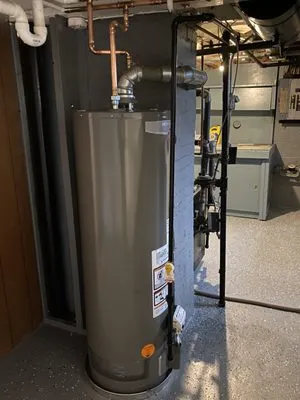
AB & RD Management Group is a trusted, full-service provider for Lansing, MI, handling everything from emergency plumbing repairs to complete kitchen and bathroom remodels. Our team brings a professio...
Mr. Rooter Plumbing of Greater Lansing Area
Mr. Rooter Plumbing of Greater Lansing Area is your trusted, locally-operated plumbing expert in Saint Johns, MI. With a foundation built on honesty and quality workmanship established in 1970, we bri...
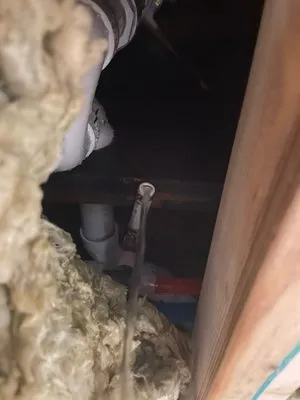
Quality Plumbing And Drain
Quality Plumbing And Drain is a trusted, full-service plumbing company serving Battle Creek, MI, and the surrounding areas. We specialize in addressing the common plumbing challenges faced by local ho...

For five years, JL Services has been a trusted home services provider in Battle Creek, MI, dedicated to helping local residents maintain and repair their homes. We take pride in every job, from applia...
Estimated Plumbing Costs in Waverly, MI
Questions and Answers
Does Grand River water damage my plumbing fixtures?
Hard water from the Grand River causes scale buildup that reduces water heater efficiency by up to 30% over time. Mineral deposits accumulate inside pipes and on fixture aerators, restricting flow and increasing pressure. Water heaters suffer most, with sediment collecting in the tank bottom and accelerating element failure. Annual flushing and water softener installation can mitigate these effects.
Why do my 1970s copper pipes keep springing small leaks?
Copper pipes from the late 1970s often develop pinhole leaks due to electrolytic corrosion and joint calcification. Water chemistry interacts with the metal over decades, creating weak spots that eventually perforate. These leaks typically start in hot water lines where thermal expansion stresses older solder joints. Addressing them requires pipe section replacement rather than temporary patches.
Who handles permits for plumbing repairs in Eaton County?
I coordinate directly with the Eaton County Building Department for all required permits and handle Michigan Department of Licensing and Regulatory Affairs compliance. This includes pressure tests, inspections, and code updates for water heater installations or pipe replacements. Managing this red tape ensures your project meets current standards without you navigating bureaucratic paperwork. Proper documentation also protects your home's value during future assessments.
Does the flat land around Grand River Park affect my home's drainage?
Plain terrain with minimal slope can cause water to pool near foundations during heavy rain or snowmelt. This puts constant hydrostatic pressure on your main sewer line, potentially leading to joint separation or root intrusion. Homes closer to the river may experience higher groundwater levels that stress drainage systems. Proper grading and French drains help redirect water away from critical plumbing infrastructure.
Are suburban plumbing issues different in Waverly?
Municipal water pressure in Waverly's suburban areas typically ranges 40-60 PSI, which is adequate for most homes but can stress older plumbing during pressure surges. Tree roots from mature landscaping often infiltrate sewer laterals, requiring camera inspections to locate blockages. Unlike rural properties with wells and septic systems, here you deal with centralized infrastructure that has consistent standards but shared maintenance responsibilities at the property line.
How long do copper pipes last in Waverly Heights homes?
Copper pipes installed around 1978 are now 48 years old. At this age, homeowners in Waverly Heights often notice pinhole leaks appearing in hot water lines first, especially near joints where solder has weakened. The metal becomes thinner from decades of water flow and mineral interaction. Regular inspections can catch these issues before they turn into major water damage.
What should I do before spring thaw to prevent plumbing problems?
Before temperatures rise above freezing, disconnect garden hoses and shut off exterior water valves. Frozen ground during our 17°F winters can shift pipes slightly, and sudden thawing may reveal cracks at connection points. Check basement and crawl space pipes for condensation or dampness as snow melts. Insulating exposed pipes now prevents emergencies when the snow belt transitions to spring.
How quickly can a plumber reach my home near Grand River Park?
Heading past Grand River Park on I-96, most service calls in Waverly take 20-30 minutes from dispatch. The interstate provides direct access to neighborhoods off exit ramps. Traffic patterns during peak hours might add a few minutes, but the route avoids surface street congestion common in denser areas.
