Top Emergency Plumbers in Waterloo, MI, 49240 | Compare & Call

There are 186 plumbing companies server in Waterloo MI
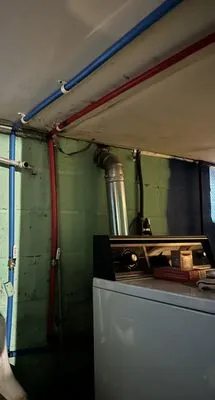
Edge Plumbing is a trusted local provider serving Toledo and surrounding Ohio communities with comprehensive residential plumbing services. Our team specializes in everything from routine maintenance ...
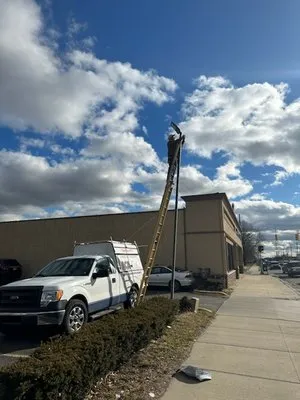
Gus The Handyman is a trusted, full-service provider for Livonia homeowners. We specialize in solving a wide range of household problems, from appliance repair to electrical work. A common local issue...
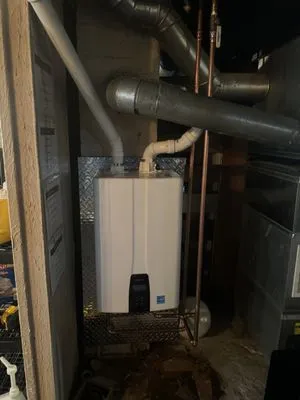
Pete The Plumber is a trusted, licensed plumbing contractor serving Dearborn Heights and Southeast Michigan with reliable plumbing solutions. Our team of UA union-trained and licensed plumbers is avai...
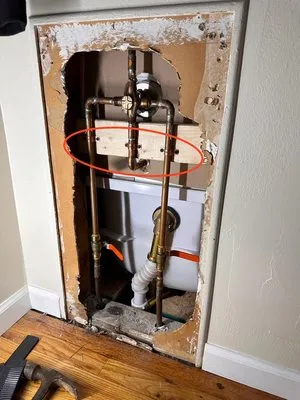
Cumming's Plumbing has been the trusted plumbing expert for Plymouth, MI, homes and businesses since 1958. As a family-owned, licensed, and insured company, we understand the specific challenges local...
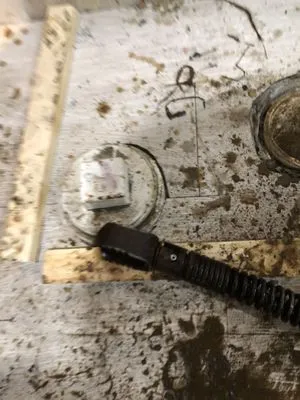
Shawn's Botany and Landscaping is a Detroit-based company that combines expert landscaping with comprehensive plumbing services to address both outdoor and indoor home needs. Serving the local communi...
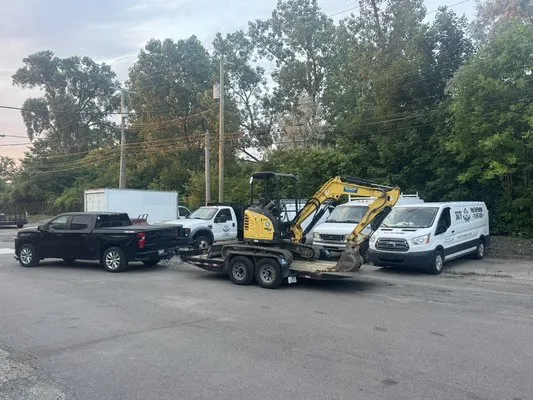
Pete The Plumber is a trusted local plumbing service in Plymouth, MI, dedicated to solving the common plumbing challenges homeowners face in our community. We specialize in addressing issues like kitc...
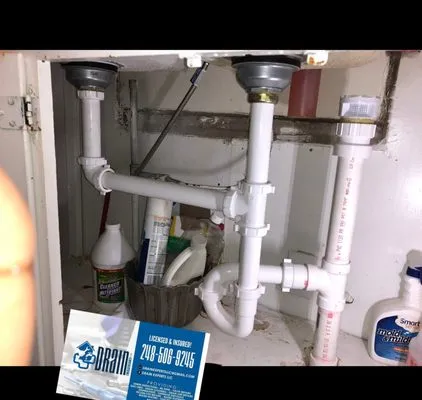
Drain Experts is a trusted, full-service plumbing company serving Westland, MI, and the surrounding communities. We provide comprehensive plumbing solutions, from emergency drain cleaning and sewer re...
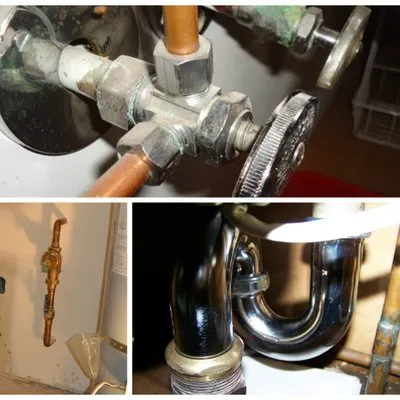
Brock's Plumbing & Sewer Cleaning
Brock's Plumbing & Sewer Cleaning is a Detroit-based plumbing company that has been serving homeowners and businesses since 2003. Founded by a licensed and insured plumber with experience from a natio...
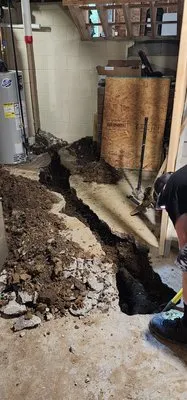
Pete The Plumber has been serving Detroit and Southeast Michigan since 1999, bringing over 25 years of plumbing expertise to both residential and commercial settings. Our team consists exclusively of ...

Brock Mechanical Plumbing Contractor
Brock Mechanical Plumbing Contractor, based in Howell, MI, is a licensed plumbing business founded in 2016 by Master Plumber Douglas J. Brock Jr. With over 20 years of industry experience, Doug leads ...
Estimated Plumbing Costs in Waterloo, MI
Q&A
Who handles permits for plumbing work in Jackson County?
I coordinate directly with the Jackson County Building Department for all required permits. My Michigan Department of Licensing and Regulatory Affairs credentials ensure work meets state code without homeowners navigating bureaucracy. This includes septic modifications, well hookups, and major repiping projects. Handling the red tape means your project stays on schedule and passes inspection the first time.
How long do copper pipes last in Waterloo homes?
Copper plumbing installed around 1983 is now 43 years old. Homeowners in Waterloo Village are seeing pinhole leaks develop in their pipes, especially at joints and bends where water flow creates turbulence. This corrosion happens gradually as the protective oxide layer wears thin over decades. Many houses from that era need partial repiping or full system evaluations to prevent sudden failures.
Does hard well water damage plumbing fixtures?
Hard water from private wells deposits scale inside water heaters, reducing efficiency by 20-30% over five years. Fixtures like showerheads and faucet aerators clog with mineral buildup, requiring frequent cleaning or replacement. Water softeners help, but scale still accumulates in pipes where it accelerates corrosion and restricts flow. Annual inspections catch these issues before they become emergencies.
How does rural living in Waterloo affect my septic and well systems?
Private wells and septic systems require different maintenance than municipal services. Well pumps need regular checks for pressure consistency, while septic tanks should be pumped every 3-5 years depending on household size. Distance between components means longer pipe runs that are prone to freezing or settling issues. Understanding this rural setup helps prevent costly repairs from neglected systems.
How fast can a plumber get to my house in Waterloo?
Heading past Waterloo State Recreation Area on I-94, our dispatch route covers most of the township within 45-60 minutes. We monitor traffic patterns and use back roads when needed to avoid delays. This response window accounts for Waterloo's rural layout while ensuring we reach emergencies like burst pipes before they cause extensive damage.
What should I do before spring thaw to prevent plumbing problems?
Insulate exposed pipes in crawl spaces and basements before temperatures drop to 15°F. Disconnect garden hoses and shut off exterior faucets to prevent freeze damage. Check your sump pump operation since spring thaw increases groundwater around foundations. These steps reduce the risk of burst pipes when rapid temperature swings stress older plumbing systems.
Does hilly terrain affect my home's drainage system?
The slopes around Waterloo State Recreation Area create drainage challenges for residential properties. Downhill water flow puts extra pressure on main sewer lines, causing joint separation over time. Uphill homes often need additional backflow prevention to avoid basement flooding during heavy rains. Proper grading and French drains help manage runoff that would otherwise stress your plumbing infrastructure.
Why are my 1980s copper pipes leaking suddenly?
Copper pipes from 1983 often develop pinhole leaks due to decades of water chemistry interaction. The thin spots form where mineral deposits create localized corrosion cells. Joint calcification also occurs as solder joints weaken and allow microscopic movement. These failures typically appear in horizontal runs and behind walls where homeowners notice damp spots or reduced water pressure first.
