Top Emergency Plumbers in Walker, MI, 49504 | Compare & Call

There are 235 plumbing companies server in Walker MI

Cascade Plumbing is a family-owned Grand Rapids plumbing company with over 25 years of dedicated service to Cascade and the wider Kent County area. Founded by Jon, a proud local father and community m...

Ferrer Plumbing has been a trusted name in Grand Rapids for over 15 years, providing reliable plumbing solutions for homes and businesses throughout the area. As a family-owned and operated service, w...
Integrity Handyman Services of West Michigan
Integrity Handyman Services of West Michigan is a female-owned business based in Grand Rapids, dedicated to providing reliable home maintenance and repair solutions across West Michigan. We approach e...

Grapids Home Services
For over two decades, Grapids Home Services has been a trusted name in Grand Rapids, founded by Nathan Engelsma in 1999. With Nate's extensive experience and a team of NATE and Nexstar certified techn...
Godwin Plumbing & Hardware
Godwin Plumbing & Hardware has been a trusted name in West Michigan since 1955, built on generations of local service. We are a family of experts with over 90 years of combined experience, dedicated t...

Budget Plumbing has been a trusted name in Hudsonville and the surrounding communities for over 45 years. This locally owned and operated business is built on a foundation of reliability and honesty, ...
VerBurg Plumbing Service, based in Allegan, MI, is a full-service plumbing company owned and operated by a master plumber with over 34 years of experience. We provide reliable solutions for residentia...
Fix It All Plumbing is your trusted local plumbing expert serving Reed City, MI and surrounding areas. We provide comprehensive plumbing services including bathtub, drain, faucet, garbage disposal, ga...
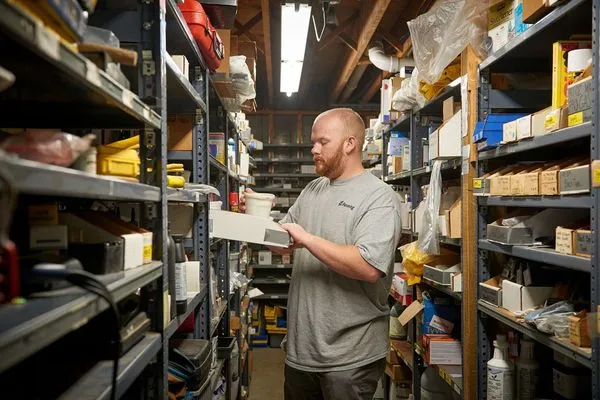
Penning Plumbing, Heating, Cooling & Electric
Penning Plumbing, Heating, Cooling & Electric is a third-generation family-owned business serving Grand Rapids, Kentwood, Wyoming, and surrounding West Michigan communities since 1917. With over a cen...
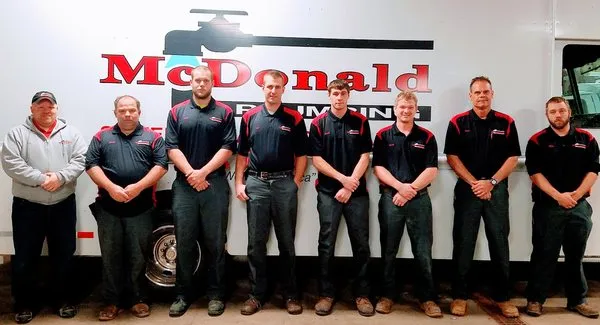
McDonald Plumbing has been a trusted plumbing contractor in Grand Rapids since 1955, founded by Ed McDonald and now continued by his son Scott. Specializing in sewer and water systems, the company has...
Estimated Plumbing Costs in Walker, MI
Frequently Asked Questions
Who pulls the permits for a plumbing job, and is it complicated?
I handle all required permits with the Walker Building Department. As a licensed Master Plumber through the Michigan Department of Licensing and Regulatory Affairs, it's my job to ensure the work meets all current state and local codes. This means you don't have to navigate the red tape, schedule inspections, or worry about paperwork. Proper permitting protects your investment and is a non-negotiable part of professional, legal plumbing work.
Does Lake Michigan water damage my water heater?
Yes, the mineral content from Lake Michigan creates very hard water. This leads to scale buildup inside your water heater's tank and on its heating elements, which reduces efficiency and lifespan. You'll notice shorter hot water supply and higher energy bills. Installing a whole-house water softener is the most effective defense; it protects not just the heater, but also fixtures, appliances, and your home's entire plumbing system from accelerated wear.
Why are my copper pipes in Walker starting to leak all of a sudden?
Homes built around 1984 have copper plumbing that is now 42 years old. At this age, the internal pipe walls have been worn thin by decades of water flow and mineral abrasion from our hard water. Homeowners in Walker Station are now seeing pinhole leaks appear, often first in hot water lines or at solder joints that have become brittle. This failure pattern is expected for copper of this vintage and requires a professional assessment to determine if spot repairs or a partial re-pipe are needed.
As a suburban homeowner, what should I know about my main water line?
Your main water line from the city meter to your house is your responsibility. In our suburban setting, the most common issues are corrosion of older lines or, surprisingly, damage from landscaping work. Municipal water pressure is generally stable, but a sudden drop can indicate a leak in this line. It's worth knowing where your main shutoff valve is located, as a leak here requires immediate action to prevent foundation water damage and high utility bills.
What's one thing I should do before spring to avoid a plumbing disaster?
Before the spring thaw hits its peak, disconnect your garden hoses and shut off the exterior water supply valves from inside the house. Water left in outdoor faucets and pipes can freeze during our 18-degree lows, then expand and crack the fittings when it thaws. This simple, five-minute task each fall prevents the most common and preventable cause of exterior flooding and water damage in our snow belt climate.
How quickly can a plumber get to my house in Walker from Grand Rapids?
A typical dispatch route from the city center heads out past Millennium Park to access I-96, which provides a direct corridor into Walker. Barring major traffic, that's a consistent 20 to 30 minute drive. We factor in this transit time when giving you a service window, so you're not waiting on guesswork. Knowing the main arteries helps us provide reliable, on-time service for emergencies like a burst pipe.
What's the most common plumbing issue in 1980s Walker homes?
Pinhole leaks in copper lines are the signature failure for plumbing installed in the mid-1980s. The cause is often a combination of pipe age, water chemistry, and the manufacturing process of the copper tubing from that era. You'll typically find these small leaks at the bottom of horizontal hot water runs or at the first fitting after the water heater. Addressing them early prevents water damage and the more costly repairs that follow from ignored corrosion.
Could the flat land in my neighborhood be causing drain problems?
The relatively plain terrain around areas like Millennium Park can complicate drainage. Without enough slope, waste water from your home may not move with sufficient force through the sewer lateral, allowing solids to settle and create blockages over time. It also means that during heavy rain or rapid snowmelt, municipal systems can back up, putting stress on your main line. Ensuring your lateral is clear and has a proper backwater valve is critical here.
