Top Emergency Plumbers in Wakeshma Township, MI, 49052 | Compare & Call

There are 54 plumbing companies server in Wakeshma Township MI
Henry Smith Plumbing, Heating & Cooling
For over 60 years, Henry Smith Plumbing, Heating & Cooling has been the trusted name for Elkhart homeowners. Founded by Henry Smith in 1952, this family-owned and operated company has built its reputa...
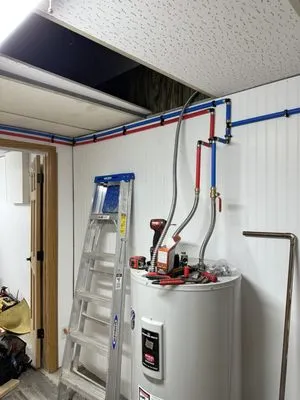
Advantage Plumbing & Drain
Founded in 2004 by licensed Master Plumber Ryan, Advantage Plumbing & Drain serves Hastings, MI, with comprehensive residential and commercial plumbing solutions. As a certified plumbing contractor an...
Re-Bath in Grand Rapids, MI specializes in bathroom remodeling services for local homeowners. Founded in 1979, we introduced "The Refreshing Remodel" approach, handling every aspect of bathroom update...
Whitney Services, led by master electrician Tim, has been a trusted name in Kalamazoo for plumbing, electrical, and HVAC needs. Founded on integrity and professionalism, Tim’s positive approach ensure...
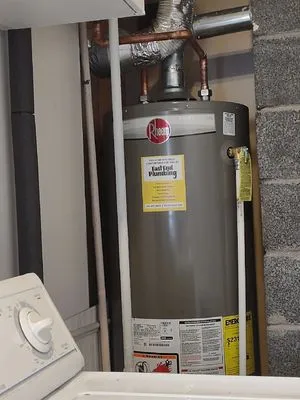
East End Plumbing is a trusted local plumbing company serving Kentwood and the surrounding communities. We specialize in a wide range of residential plumbing services, from emergency repairs to full i...

LDA Construction is a trusted, full-service handyman and contracting company serving Nashville, MI, and the surrounding Barry County area. We understand that local homeowners frequently face urgent pl...
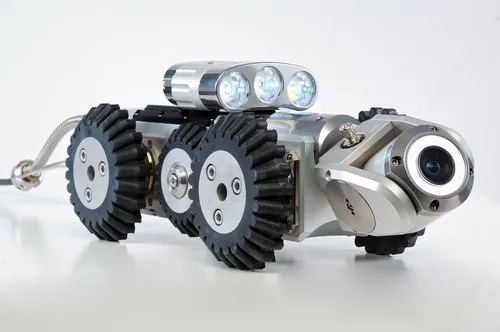
Elite Pipeline Services
Elite Pipeline Services is a family-run business established in Allendale, MI, in 2005. We specialize in trenchless sewer repair and pipeline rehabilitation, offering residents and businesses a way to...
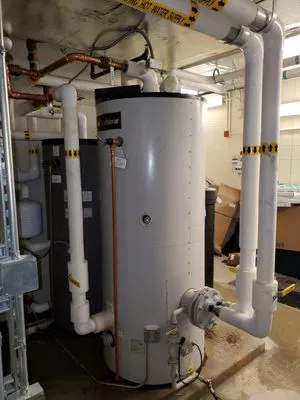
Wilcox Plumbing and Piping
Wilcox Plumbing and Piping is a locally-owned plumbing service in Scotts, MI, with nearly four decades of combined experience. Founded by two skilled plumbers who previously served top contractors acr...
Quality Plumbing And Drain
Quality Plumbing And Drain is a trusted, full-service plumbing company serving Battle Creek, MI, and the surrounding areas. We specialize in addressing the common plumbing challenges faced by local ho...
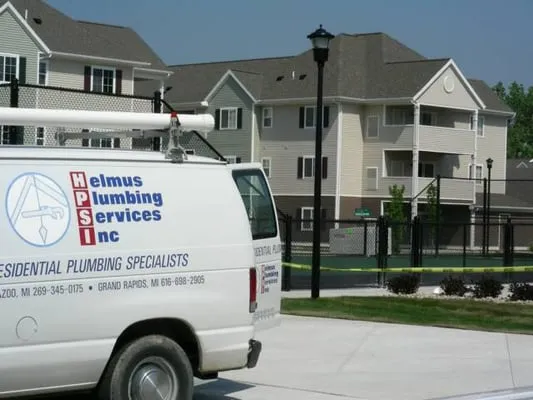
Helmus Plumbing Services
Helmus Plumbing Services, Inc. is a professional contracting company founded in 1987, built on a foundation of deep local expertise and lasting relationships. As a project manager, estimator, and mast...
Estimated Plumbing Costs in Wakeshma Township, MI
Q&A
What permits are needed for a water heater replacement in Kalamazoo County?
Kalamazoo County requires a plumbing permit for any water heater replacement, which includes an inspection. As a master plumber licensed with the Michigan Department of Licensing and Regulatory Affairs, I pull that permit and schedule the inspection as part of the job. Handling this red tape is standard; it ensures the installation meets current code for your safety and simplifies the process for you.
Why are my copper pipes suddenly springing leaks all at once?
Copper from the mid-80s often fails due to a combination of age and water chemistry. The primary issue is pitting corrosion, where small, concentrated areas inside the pipe wall degrade and eventually perforate. This is exacerbated by the high mineral content in our private wells, and failures frequently cluster around solder joints and fittings that have endured over four decades of thermal expansion and contraction.
Does having a private well with hard water damage my plumbing appliances?
Yes, the scale buildup from hard well water is a constant issue. It acts as an insulator inside water heater tanks, forcing the element to work harder and shortening its life. You’ll also see it restrict flow in faucet cartridges and shower valves, leading to reduced pressure and eventual mechanical failure. An annual inspection of the anode rod in your water heater is critical here.
Could the flat land around here be causing my slow basement drains?
The plain terrain near Wakeshma Township Park means drainage relies entirely on proper pipe slope. If the main sewer line exiting your home has settled or lost its grade over time, waste and water will not flow properly, leading to chronic slow drains and backups. This is a common diagnosis in older homes here, requiring a camera inspection to pinpoint the low spot.
Should I be concerned about my home's original copper plumbing in Wakeshma Township?
Your copper pipes, installed around 1984, are now about 42 years old. For systems in Wakeshma Center, this is the typical lifespan where we see the first wave of pinhole leaks. The corrosion process from decades of local well water has accelerated, and you might notice small, persistent damp spots on drywall or a drop in water pressure before a full rupture occurs.
Are septic system problems handled differently in a rural township like Wakeshma?
Absolutely. With no municipal sewer, your septic tank and drain field are your responsibility. Plumbing issues here often involve locating and assessing the septic system first. A backed-up main line usually points to a full tank or a failing field. I coordinate with licensed septic haulers and inspectors to provide a full diagnosis, as the fix is rarely just inside the house pipes.
How long does it take for a plumber to reach my home in Wakeshma Township for an emergency?
My standard dispatch route from the shop heads past Wakeshma Township Park onto M-66. For most calls in the township, that’s a 45 to 60 minute drive, depending on your specific road. I plan for that travel window so you have a clear expectation when you call with a burst pipe or a failed water heater.
What's the most important thing to do with my plumbing before winter in this area?
Given our 15-degree lows and spring thaw cycle, the pro-tip is to disconnect and drain your exterior hose bibs by late October. A frozen bib can crack the pipe inside your wall, and you won’t know until the thaw when water starts leaking into your foundation. For homes with crawl spaces, insulating those vulnerable lines is just as important as the outdoor ones.
