Top Emergency Plumbers in Torch Lake, MI, 49922 | Compare & Call

There are 238 plumbing companies server in Torch Lake MI
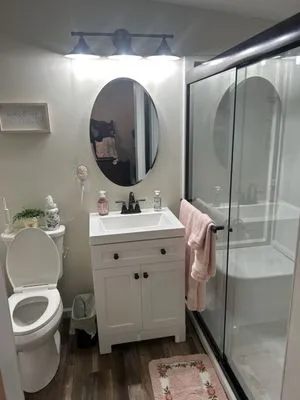
Fix It All Plumbing is your trusted local plumbing expert serving Reed City, MI and surrounding areas. We provide comprehensive plumbing services including bathtub, drain, faucet, garbage disposal, ga...

West Michigan Drain Solutions is your local, licensed sewer and drain service in Hart, MI, specializing in rehabilitation and maintenance. Founded on a legacy of reliable service—formerly operating as...
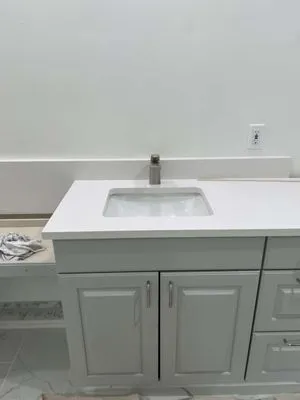
Bentley Plumbing is a family-owned plumbing service in Reed City, MI, with over 20 years of combined experience. Founded by a Master Plumber who now works alongside his two sons as apprentices, we bri...
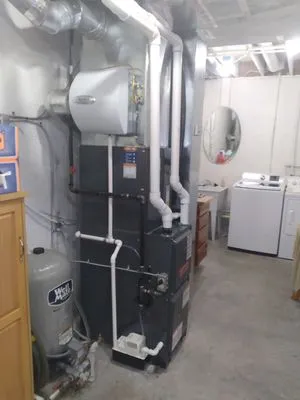
Universal Temperature Engineering
Universal Temperature Engineering has been a trusted home services provider in Lewiston, MI, since 2000. Founded on expertise in HVAC and refrigeration, the company has grown to offer comprehensive pl...
Mr. Rooter Plumbing of Mid-Michigan
Mr. Rooter Plumbing of Mid-Michigan is a locally owned and operated plumbing service in Mount Pleasant, MI, founded by Brad and Amanda. With over 20 years of experience in the service industry, they'v...
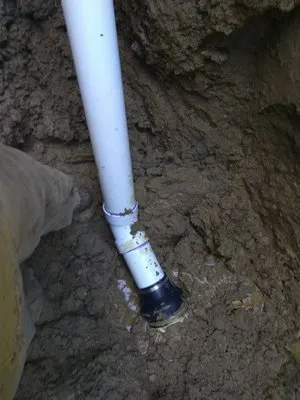
Williams Plumbing Services has been the trusted local plumbing expert in Harrison, MI, for over 35 years. Licensed and insured, we provide reliable, professional-quality plumbing solutions for both re...
Drain Rescue in Roscommon, MI, is a locally owned and operated plumbing service dedicated to solving your toughest drain and pipe problems. Since our establishment in 2017, our core mission has been t...

Prime Specialty Contracting
Prime Specialty Contracting is a Marquette-based mechanical contracting company serving Michigan's Upper Peninsula with comprehensive plumbing, heating, cooling, and metal fabrication services. We spe...

906 Heating & Cooling is a family-owned HVAC and plumbing business in Skandia, MI, founded by a Certified HVACR Lead Service Tech with extensive experience in the Upper Peninsula. The owner started th...
Walters & Hemming has been a trusted name in Traverse City plumbing and HVAC since 1926. As a family-owned and operated business, we build on nearly a century of experience to provide reliable heating...
Estimated Plumbing Costs in Torch Lake, MI
Common Questions
What should I do to prepare my plumbing for Torch Lake winters?
Before temperatures drop to 15°F, disconnect and drain outdoor hoses, then shut off exterior faucets from inside. Insulate pipes in unheated crawl spaces and garages. During spring thaw, check for new leaks as frozen pipes thaw and expand. Snow Belt conditions mean buried lines stay colder longer, so don't assume winter damage reveals itself immediately.
Does hard well water damage my water heater or appliances?
Hard water from private wells deposits scale inside water heaters, reducing efficiency by 30% or more over time. The mineral buildup acts as insulation, forcing heaters to work harder and shortening their lifespan. Fixtures develop crusty deposits around aerators and showerheads, restricting flow. Without water softening, you'll see higher energy bills and more frequent replacements.
Who handles permits for plumbing work on Torch Lake?
Antrim County Building Department issues permits for most plumbing projects. As a Michigan Department of Licensing and Regulatory Affairs licensed master plumber, I handle the paperwork and inspections so homeowners don't need to navigate regulations themselves. This includes septic modifications, well connections, and any work requiring county approval.
How quickly can a plumber reach my home on Torch Lake during peak season?
Heading past Torch Lake Sandbar on US-31, most service calls take 45-60 minutes depending on traffic and your exact location. Summer weekends add time with boat traffic and visitors. We plan routes to minimize delays, but remote lakefront properties often require extra travel down private drives.
What causes those tiny leaks in copper pipes that seem to appear out of nowhere?
Pinhole leaks develop in 44-year-old copper pipes due to erosion corrosion from hard water. The constant flow wears through the pipe wall over decades, starting as microscopic pits that eventually penetrate. Joint calcification also occurs where solder connections break down, allowing slow seepage. These failures are common in Torch Lake homes built during the early 1980s construction boom.
Are septic and well systems different to maintain than city water and sewer?
Private wells and septic systems require different maintenance than municipal connections. Wells need annual testing for bacteria and minerals that affect plumbing. Septic tanks require pumping every 3-5 years to prevent backups that can damage drain lines. Pressure tanks and pumps need regular inspection since there's no city water pressure to rely on during failures.
Why does my hillside property near Torch Lake Sandbar have drainage issues?
Hilly terrain around the lake creates natural runoff paths that can overwhelm drainage systems. Soil erosion exposes buried pipes to shifting ground pressure, stressing connections. Steep slopes also cause water to pool against foundations during heavy rain or snowmelt. Proper grading and French drains help, but many older installations weren't designed for these specific soil conditions.
Why are so many Torch Lake homes built in the early 80s suddenly having plumbing problems?
Copper pipes installed around 1982 are now 44 years old. At this age, the protective lining inside the pipes has worn thin from decades of hard water flow. Homeowners in Torch Lake Village are seeing more frequent leaks at joints and fittings, along with reduced water pressure as mineral deposits accumulate. This isn't sudden failure but predictable aging that requires proactive maintenance.
