Top Emergency Plumbers in Tompkins, MI, 49201 | Compare & Call

There are 239 plumbing companies server in Tompkins MI
Legacy Plumbing Heating & Air
Legacy Plumbing Heating & Air is a family-owned and operated Fort Wayne business serving the community since 2000. Founded by Vicky Griffin alongside three generations of her family, the company began...
Gordon & Sloffer
Since 1954, Gordon & Sloffer, Inc. has been the trusted local name for well water and plumbing in Churubusco, Indiana. As a licensed and insured family business serving three generations, we specializ...
Home Comfort Experts
Home Comfort Experts is a Fort Wayne-based company dedicated to ensuring the comfort and reliability of your home's essential systems. We specialize in comprehensive residential plumbing, heating, air...
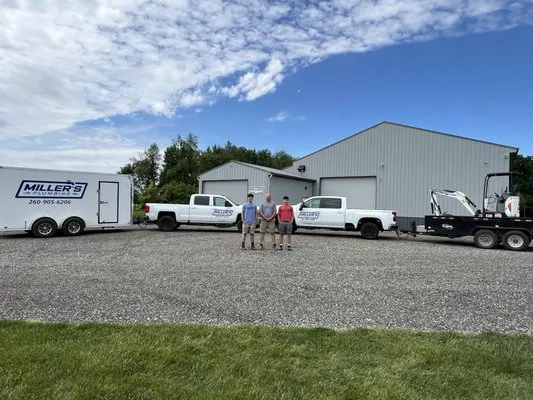
Miller's Plumbing has been serving the Pleasant Lake community for years, providing reliable plumbing solutions for homes and businesses. We specialize in a wide range of services, from faucet and dra...
12 Kilo Plumbing is a trusted local plumbing service in Auburn, Indiana, specializing in comprehensive residential plumbing solutions. We handle everything from routine repairs and installations to co...
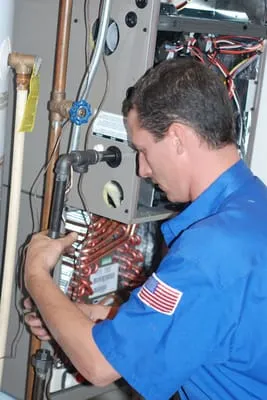
Home Comfort Experts
Home Comfort Experts is a trusted local provider serving Mishawaka residents with comprehensive plumbing, HVAC, and indoor air quality solutions. Our team of skilled technicians specializes in residen...

Jay Repairs Handyman
For over a decade, JayRepairs has been Bristol's trusted local handyman service, founded and operated by Jonathan. It all began with a passion for fixing things and helping neighbors, starting with sm...

Homeflow Plumbing LLC is a family-owned residential plumbing service based in Warsaw, IN. With over ten years of experience, we are your local experts for a wide range of plumbing needs, from routine ...

Mr. Rooter Plumbing of North Central Indiana, based in Milford, has been serving the local community with reliable plumbing solutions since 2002. With owner Dan's extensive experience dating back to 1...
Metcalf Payne & Bell Inc Plumbing, Heating and Cooling
Metcalf Payne & Bell Inc has been providing reliable plumbing, heating, and cooling services to North Webster and surrounding Kosciusko County communities since 1955. With over 100 years of collective...
Estimated Plumbing Costs in Tompkins, MI
FAQs
What's one thing I should do every spring to avoid a plumbing disaster?
Before the spring thaw hits its peak, disconnect your garden hoses and shut off the exterior hose bibs from inside the house. Our lows near 17°F mean any residual water in that line can freeze and split the pipe. Draining these lines is a five-minute task that prevents a costly repair when the weather warms up.
Why am I starting to see blue-green stains in my sink or frequent small leaks?
Your home's copper plumbing is now 44 years old, installed around 1982. At this age, we commonly see pinhole leaks developing from internal corrosion and wear. Around Tompkins Center, many houses from that era are now needing their first major repipes or extensive solder joint repairs. The timeline is predictable, and addressing it now prevents more extensive water damage later.
What's the most common plumbing problem in older Tompkins homes?
In 1980s copper systems, pinhole leaks from erosion corrosion are frequent. The solder used at joints can also become brittle and fail. We often find that the original dielectric unions, which prevent galvanic corrosion between copper and other metals, have failed, accelerating problems at water heater connections and fixture shutoffs.
How long does it take for a plumber to get to my house in Tompkins?
From our shop near the Tompkins Historical Society Museum, we head out I-94. For most calls in the township, that puts us at your door in 45 to 60 minutes. We plan our dispatch to avoid the main commuter traffic, so you get a predictable, direct route for service.
Do I need a permit to replace my water heater or repipe my house?
Yes, the Jackson County Building Department requires permits for this work to ensure it meets code. As a master plumber licensed by the Michigan Department of Licensing and Regulatory Affairs, I handle pulling the permit, scheduling inspections, and managing all the red tape. You get the paperwork filed correctly without having to navigate the process yourself.
As a rural homeowner with a well and septic, what plumbing issues are unique to me?
Your system is self-contained. Well pump pressure switches and tanks need periodic service, and the septic system's health directly affects your drains. Never use chemical drain cleaners, as they kill the bacteria in your septic tank. Also, the lack of municipal water pressure means we must properly size and maintain your private pressure tank to ensure consistent flow.
My water heater keeps failing or my showerhead clogs fast. Is it the well water?
Private wells here pull hard water with high mineral content. That scale builds up inside water heaters, drastically reducing efficiency and lifespan. It also clogs aerators and cartridge valves in faucets. Installing and maintaining a whole-house water softener is not just for comfort; it protects your major appliances from premature failure.
Could the flat land around here be causing my slow drains?
The plain terrain near the Tompkins Historical Society Museum offers very little natural slope for drainage. If your main sewer line has even a slight belly or sag, waste and sediment will collect there instead of flowing freely. This is a common stress point that leads to recurrent clogs in the main line, requiring camera inspection to locate.
