Top Emergency Plumbers in Tekonsha Township, MI, 49092 | Compare & Call

There are 140 plumbing companies server in Tekonsha Township MI
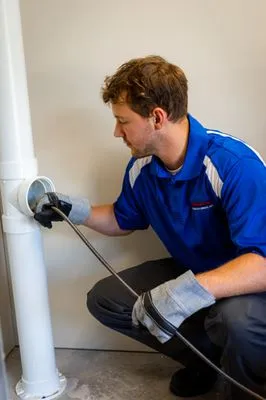
Gibson's Heating & Plumbing
Gibson's Heating & Plumbing is a trusted, family-owned business serving Waterloo and the surrounding region for over 27 years. Founded and operated by the Gibson family, we live and work in the same c...
Henry Smith Plumbing, Heating & Cooling
For over 60 years, Henry Smith Plumbing, Heating & Cooling has been the trusted name for Elkhart homeowners. Founded by Henry Smith in 1952, this family-owned and operated company has built its reputa...
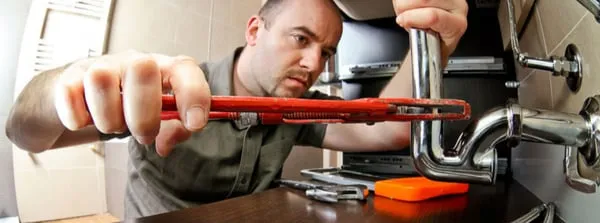
Woolace & Johnson
Woolace & Johnson is your trusted Stryker plumbing and HVAC company, providing reliable service for both emergency repairs and planned installations. We understand the common local frustrations like t...
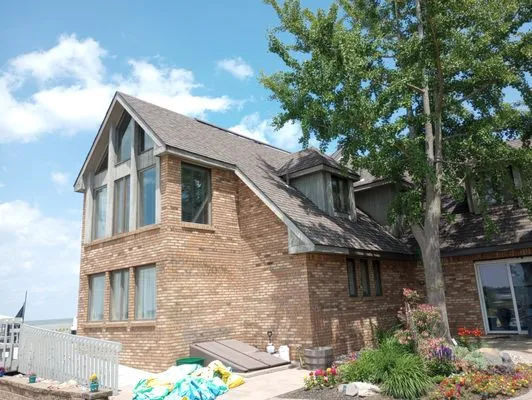
Jet Improvements LLC is a locally owned and operated home service company serving Toledo, OH, and the surrounding communities. We specialize in a comprehensive range of plumbing, roofing, and gutter s...
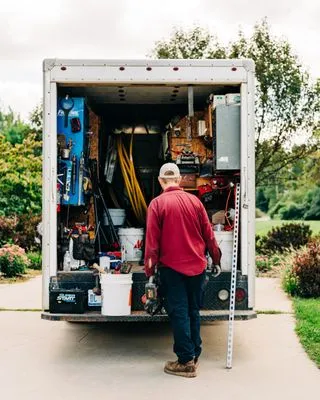
Haley Mechanical
Haley Mechanical has been a trusted name in Dexter and Southeast Michigan since 1998, providing dependable heating, cooling, plumbing, electrical, and geothermal services. As a locally owned and opera...
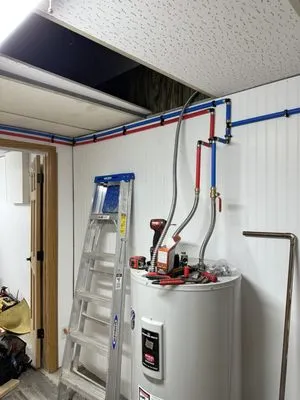
Advantage Plumbing & Drain
Founded in 2004 by licensed Master Plumber Ryan, Advantage Plumbing & Drain serves Hastings, MI, with comprehensive residential and commercial plumbing solutions. As a certified plumbing contractor an...
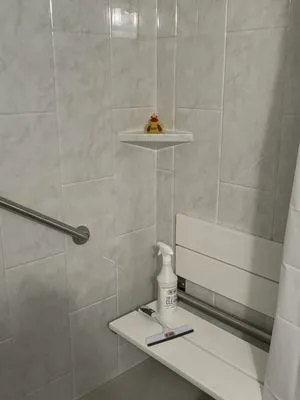
Re-Bath in Grand Rapids, MI specializes in bathroom remodeling services for local homeowners. Founded in 1979, we introduced "The Refreshing Remodel" approach, handling every aspect of bathroom update...
Whitney Services, led by master electrician Tim, has been a trusted name in Kalamazoo for plumbing, electrical, and HVAC needs. Founded on integrity and professionalism, Tim’s positive approach ensure...
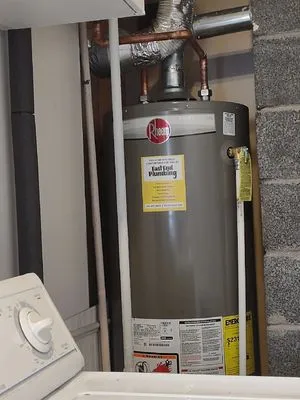
East End Plumbing is a trusted local plumbing company serving Kentwood and the surrounding communities. We specialize in a wide range of residential plumbing services, from emergency repairs to full i...

LDA Construction is a trusted, full-service handyman and contracting company serving Nashville, MI, and the surrounding Barry County area. We understand that local homeowners frequently face urgent pl...
Estimated Plumbing Costs in Tekonsha Township, MI
Q&A
How does hard water from my private well affect plumbing fixtures over time?
Hard water causes scale buildup that reduces efficiency in water heaters and restricts flow in fixtures. Your water heater's heating elements become insulated by mineral deposits, forcing it to work harder and shortening its lifespan. Faucets and showerheads develop reduced pressure as openings clog. Installing a water softener or using dielectric unions at connections helps mitigate these effects.
Does the flat terrain near St. Joseph River cause drainage issues for home plumbing?
The plain slope around St. Joseph River can lead to poor drainage that stresses main sewer lines. Water tends to pool rather than run off, increasing hydrostatic pressure on underground pipes. This constant pressure accelerates joint failures and root intrusion. Proper grading away from your foundation and installing French drains helps redirect water flow and protect your plumbing system.
How quickly can a plumber reach my home in Tekonsha Township during an emergency?
Heading past St. Joseph River on I-69, our dispatch route covers most of the township efficiently. We maintain a 45-60 minute response window for urgent calls, accounting for rural roads and weather conditions. This timing ensures we can address leaks or failures before they escalate, especially during seasonal temperature swings.
Why do my 1970s copper pipes keep developing pinhole leaks?
Copper pipes from the late 1970s often develop pinhole leaks due to electrolytic corrosion and joint calcification. The hard water in our area accelerates this by depositing minerals that create weak spots. These leaks typically appear first at solder joints or where pipes contact dissimilar metals. Regular inspection can catch them early, preventing water damage to walls and foundations.
What should I do to prepare my plumbing for Tekonsha's cold winters and spring thaw?
Insulate exposed pipes before temperatures hit 15°F, focusing on crawl spaces and exterior walls. During spring thaw, check for foundation cracks where melting snow can seep in. A pro-tip: keep cabinet doors open on cold nights to allow warm air to circulate around pipes. These simple steps prevent most freeze-related emergencies in our Snow Belt climate.
Are there special considerations for plumbing in rural Tekonsha Township compared to cities?
Rural homes here rely on private wells and septic systems, not municipal water and sewer. Well pumps require regular maintenance to prevent sediment buildup, while septic tanks need pumping every 3-5 years. Pressure tanks should be checked for proper air charge, and well casings inspected for cracks. These systems operate independently, so proactive care avoids costly emergencies.
Who handles permits and inspections for plumbing work in Calhoun County?
The Calhoun County Building Department oversees permits for plumbing installations and repairs. As a Michigan Department of Licensing and Regulatory Affairs licensed master plumber, I manage all required paperwork and inspections. This includes septic system approvals, well modifications, and code compliance documentation. Handling this red tape ensures your project meets local regulations without burdening you with bureaucratic details.
My copper pipes in Tekonsha Township were installed around 1979 - what should I expect at this age?
Copper pipes from 1979 are now 47 years old. Homeowners in Village Center often see thinning walls and reduced water pressure as the metal fatigues. You might notice small green stains at joints or a metallic taste in water, which indicates corrosion has progressed. This aging process accelerates in our hard water conditions, making proactive inspection worthwhile before failures occur.
