Top Emergency Plumbers in Swan Creek, MI, 48609 | Compare & Call

There are 81 plumbing companies server in Swan Creek MI

Main Drain Service is a family-owned plumbing company serving Columbiaville, MI, with over a decade of experience in drain maintenance across metro Detroit. Founded by a lifelong handyman and former p...
Mr. Rooter Plumbing of Detroit
Mr. Rooter Plumbing of Detroit is a locally owned and operated plumbing service proudly serving Macomb, MI, and the surrounding Detroit area. Owner Mike, a dedicated service business enthusiast with m...
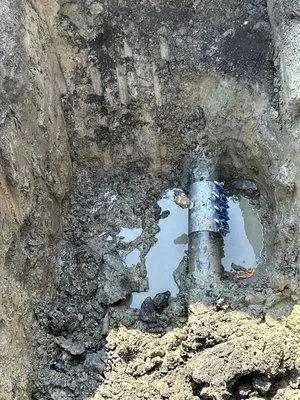
Advantage Plumbing & Heating is a trusted local plumbing service in Mount Morris, MI, dedicated to helping homeowners resolve common plumbing emergencies like laundry hose bursts and pipe corrosion. W...
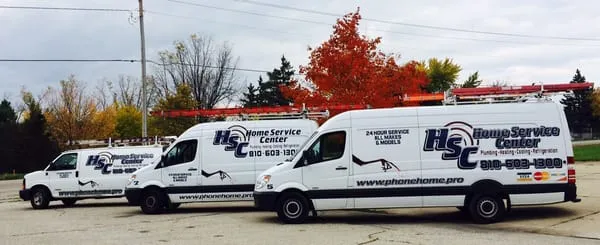
Home Service Center
Since opening its doors in 2005, HSC Home Service Center has been the trusted local provider of heating, cooling, plumbing, and refrigeration services for homeowners and businesses in Burton, Michigan...

Fenton Mechanical is your trusted local expert for home maintenance and plumbing solutions in Fenton, MI. We specialize in a wide range of services including appliance installation, handyman assembly,...

Actons Mechanical is a trusted, full-service home maintenance and repair company serving Flint, MI, and the surrounding areas. We specialize in plumbing, HVAC, painting, and general home repairs to ke...
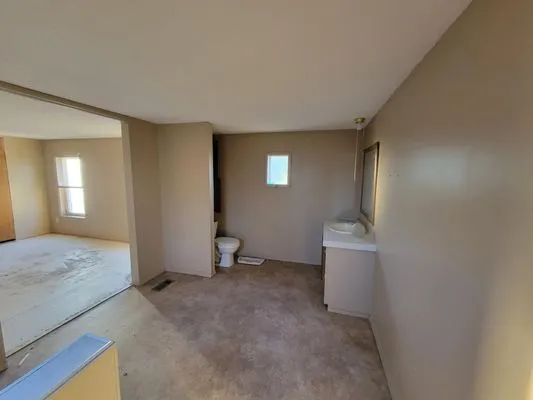
MS Renovations is a Grand Blanc-based home improvement company with four years of experience specializing in comprehensive mobile home renovations and general residential repairs. We handle everything...
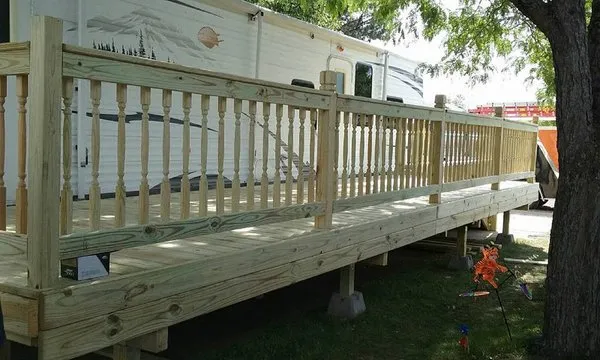
Founded by Mikel in December 2015, Above The Rest Construction brings a distinct approach to building in Burton. With over 18 years of hands-on industry experience, Mikel started the company to ensure...
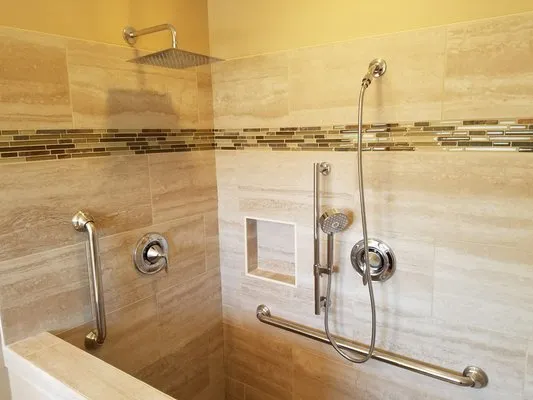
Complete Plumbing has been a trusted plumbing partner for Grand Ledge and the Greater Lansing Area since 1989. As a family-owned and operated business, we've built our reputation on professional workm...

Mid-State Sewer Service is a licensed and established plumbing resource for Freeland residents and businesses. Since 2019, we've provided reliable drain and sewer solutions, from routine maintenance t...
Estimated Plumbing Costs in Swan Creek, MI
Questions and Answers
Why are my copper pipes suddenly springing pinhole leaks?
Copper pipes from the early 1980s are susceptible to pinhole leaks due to a process called pitting corrosion. Over 40-plus years, the Saginaw-Midland water, combined with our soil conditions, can create localized electrochemical cells that eat through the pipe wall from the inside. These failures often cluster on hot water lines and behind walls, making them a stealthy but common issue for homes of this vintage.
What's the most important winter plumbing tip for the Swan Creek snow belt?
Before temperatures hit that 15-degree low, disconnect and drain your garden hoses. A frozen hose bib can burst the water line inside your wall, causing major damage that won't be apparent until the spring thaw. It's a simple, five-minute task that prevents the most frequent and costly winter emergency I see in this climate.
Could the flat land near Swan Creek Township Park cause plumbing problems?
The low-lying terrain here affects drainage. After heavy rain or rapid snowmelt, saturated soil can shift and put lateral stress on your main sewer line running to the street. This stress can lead to misaligned joints or, in older lines, cracks. It's a good practice to monitor drainage in your yard and consider a video inspection if you notice recurring slow drains.
Who pulls the permits for a plumbing job in Saginaw County, and do I need to?
For any significant work, a permit from the Saginaw County Building Department is required. As a master plumber licensed by the Michigan Department of Licensing and Regulatory Affairs, my responsibility is to secure all necessary permits and schedule inspections. This ensures the work meets current code, protects your home's value, and transfers the bureaucratic burden from you to my team.
How quickly can a plumber get to my house in Swan Creek?
Heading past Swan Creek Township Park on M-52 is my primary route into most of the township. From there, it's a matter of navigating the local roads. A typical dispatch from our shop puts a truck at your door in 45 to 60 minutes for non-emergency calls. For urgent leaks, we prioritize and can often shave time off that estimate by coordinating directly from the road.
What kind of plumbing issues should I expect in my 1980s Swan Creek home?
Homes built here around 1983 now have 43-year-old copper plumbing. This is the age where Type M copper, often used at the time, starts to fail from decades of hard water flow. Around Swan Creek Township Center, I'm commonly finding pinhole leaks appearing in hot water lines and a noticeable thinning of pipe walls, especially in areas with aggressive water. The system has done its job, but it's entering its critical maintenance window.
Does the hard water in Swan Creek damage my water heater?
Absolutely. The mineral content in our municipal supply accelerates scale buildup. Inside your water heater, this scale acts as an insulator on the heating elements or burner chamber, forcing the unit to work harder and fail sooner. You'll see reduced hot water capacity and higher energy bills. An annual flush of the tank's sediment valve is not just recommended; it's essential for longevity here.
As a rural homeowner, what unique plumbing systems should I maintain?
Beyond the municipal water line, your property likely manages its own waste with a septic system and drain field. These require scheduled pumping every three to five years, depending on household size. Neglect leads to backups and field failure, which are far more complex and expensive to repair than a simple clog in a city-connected system.
