Top Emergency Plumbers in Superior, MI, 48105 | Compare & Call

There are 236 plumbing companies server in Superior MI
Best Plumbing
Best Plumbing in Taylor, MI has been the trusted local plumbing expert since 1984, building a reputation for reliable service over our 30+ years in business. As licensed and insured professionals, we ...

WaterWork Plumbing has been serving Ferndale and Metro Detroit since 2006, founded by licensed Master Plumber David Greylen. Starting with a single truck, the company has grown into a team of over twe...

Pypes Plumbing has served Detroit and Oakland County for years, providing reliable plumbing solutions with a focus on lasting quality. Our team handles everything from routine repairs to complex insta...
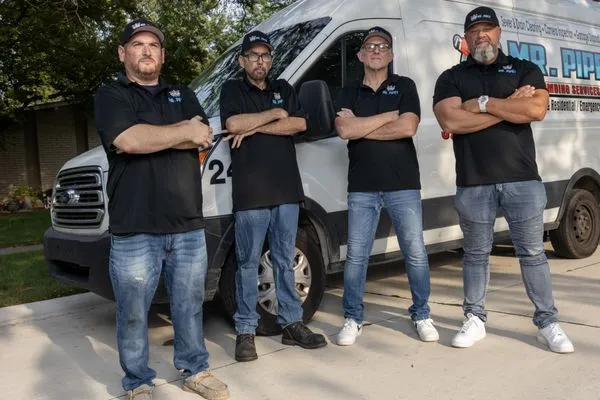
Mr. Pipey Plumbing is a Detroit-based plumbing service that specializes in resolving drain and sewer problems with effective methods. Our team uses snaking to clear blockages, hydrojetting to clean pi...
Cregger Plumbing, Heating & Cooling
Cregger Plumbing, Heating & Cooling is a third-generation family-owned business serving Ferndale and surrounding communities since 1987. Founded on deep plumbing expertise that began with the current ...
Sam's Plumbing is a second-generation, family-owned plumbing company serving West Bloomfield, MI, since 1985. With over 30 years of experience, we provide comprehensive plumbing services for both resi...
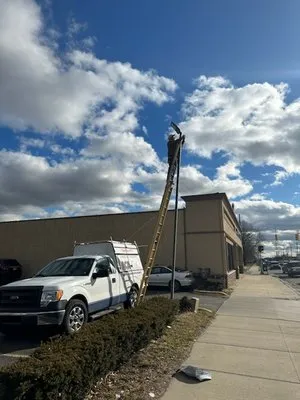
Gus The Handyman is a trusted, full-service provider for Livonia homeowners. We specialize in solving a wide range of household problems, from appliance repair to electrical work. A common local issue...
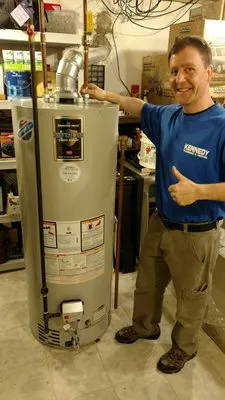
Kennedy Plumbing & Heating
For over four decades, Kennedy Plumbing & Heating has been a trusted name in Livonia and the broader Metro Detroit area. Founded in 1980 by Paul, a licensed Master Plumber, Mechanical Contractor, and ...
All American Plumbing Contractors is your Detroit-based, 24/7 plumbing resource. As a complete service provider, we handle everything from emergency repairs and routine maintenance to full system inst...
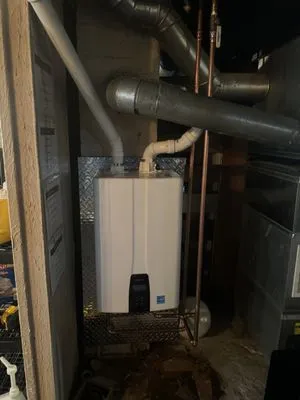
Pete The Plumber is a trusted, licensed plumbing contractor serving Dearborn Heights and Southeast Michigan with reliable plumbing solutions. Our team of UA union-trained and licensed plumbers is avai...
Estimated Plumbing Costs in Superior, MI
Questions and Answers
How quickly can a plumber reach my home in Superior Township?
From our base near Ford Lake, we take US-23 north through the township. Heading past Ford Lake on US-23, we can typically reach most Superior Township addresses within 45-60 minutes. We monitor traffic patterns and weather conditions to maintain this response window, even during peak travel times or winter weather.
How does the hilly terrain around Ford Lake affect my home's drainage?
The sloping landscape in Superior Township creates drainage challenges for main sewer lines. Gravity pulls wastewater downhill, but soil shifting on hills can stress pipe joints and connections. Homes near Ford Lake may experience backup issues during heavy rains when the water table rises. Proper grading around your foundation and regular drain line inspections help manage these terrain-related pressures.
Why do my copper pipes keep springing leaks in my 1980s Superior home?
Copper plumbing from the 1980s often develops pinhole leaks due to electrolytic corrosion and joint calcification. The solder joints connecting copper sections can degrade over four decades, allowing microscopic leaks to form. These typically appear first in hot water lines where thermal stress accelerates the corrosion process. Re-piping affected sections with modern copper or PEX usually resolves this systemic issue.
What permits do I need for plumbing work in Superior Township?
The Superior Township Building Department requires permits for most plumbing modifications beyond basic repairs. As a Michigan Department of Licensing and Regulatory Affairs licensed master plumber, I handle all permit applications and inspections for your project. This ensures work meets current codes while you avoid paperwork headaches. Proper permitting protects your home's value and ensures safety standards are met.
What should I do to prepare my Superior Township plumbing for winter?
With temperatures dropping to 15°F and our location in the Snow Belt, prevent frozen pipes by insulating exposed lines in unheated spaces before December. During spring thaw, check your basement for moisture as frozen ground melts and shifts foundation drainage. Keep cabinet doors open to allow warm air circulation around pipes during cold snaps. These simple measures avoid most winter plumbing emergencies.
My Superior Township home was built around 1984 - should I be worried about my plumbing?
Copper pipes installed in 1984 are now 42 years old. At this age, homeowners in our area often notice pinhole leaks developing in hot water lines, especially near joints and elbows. The copper has endured decades of hard water mineral buildup and thermal expansion cycles. Regular inspections of exposed pipes in basements and crawl spaces can catch these issues before they become major water damage problems.
Does Detroit River water cause problems for home plumbing in Superior?
Water sourced from the Detroit River contains high mineral content that creates hard water conditions. This leads to scale buildup inside water heaters, reducing efficiency and shortening their lifespan. Fixtures develop mineral deposits that restrict water flow over time. Installing a whole-house water softener can significantly reduce these effects and protect your plumbing investment.
Are there special plumbing considerations for rural Superior Township homes?
Rural properties here typically have private wells and septic systems rather than municipal connections. Well pumps require regular maintenance to handle hard water mineral buildup. Septic systems need proper sloping on hilly lots to function effectively. We check both systems during service calls since they work together - a failing well pump can overload a septic system with excess water.
