Top Emergency Plumbers in Summit, MI, 49201 | Compare & Call

There are 97 plumbing companies server in Summit MI
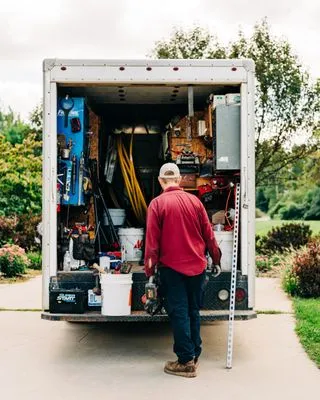
Haley Mechanical
Haley Mechanical has been a trusted name in Dexter and Southeast Michigan since 1998, providing dependable heating, cooling, plumbing, electrical, and geothermal services. As a locally owned and opera...
C&C Mechanical is a trusted plumbing and hydronic heating contractor serving Pinckney, MI, with over 36 years of industry experience. Founded by owner James in Novi, MI in 1986, the company later oper...
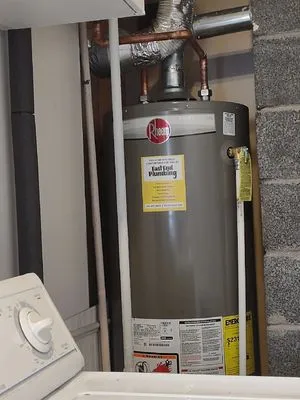
East End Plumbing is a trusted local plumbing company serving Kentwood and the surrounding communities. We specialize in a wide range of residential plumbing services, from emergency repairs to full i...

LDA Construction is a trusted, full-service handyman and contracting company serving Nashville, MI, and the surrounding Barry County area. We understand that local homeowners frequently face urgent pl...
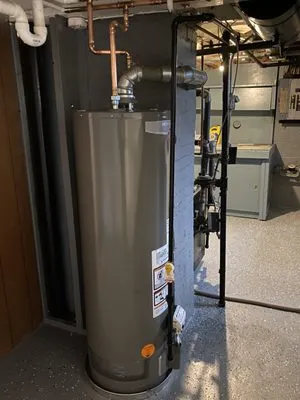
AB & RD Management Group is a trusted, full-service provider for Lansing, MI, handling everything from emergency plumbing repairs to complete kitchen and bathroom remodels. Our team brings a professio...
Quality Plumbing And Drain
Quality Plumbing And Drain is a trusted, full-service plumbing company serving Battle Creek, MI, and the surrounding areas. We specialize in addressing the common plumbing challenges faced by local ho...

For five years, JL Services has been a trusted home services provider in Battle Creek, MI, dedicated to helping local residents maintain and repair their homes. We take pride in every job, from applia...

Arrow Plumbing
Arrow Plumbing is your trusted local plumbing expert serving Brooklyn, MI homeowners and businesses. We specialize in comprehensive plumbing solutions including bathtub, shower, sink, toilet, and drai...
Johnsons Plumbing & Water Treatment
For over 32 years, Johnsons Plumbing & Water Treatment has been the trusted local name for reliable plumbing and water quality solutions in Chelsea, MI. We are a licensed, family-owned company dedicat...

A - Drain Plumbing
A-Drain Plumbing LLC is a family-owned and operated plumbing business serving Adrian, MI, and the surrounding Lenawee County area. Founded and run by Licensed Master Plumber Damon Gutierrez and his wi...
Estimated Plumbing Costs in Summit, MI
Questions and Answers
Why do my copper pipes keep springing leaks?
Copper pipes from 1969 often fail at solder joints due to galvanic corrosion between dissimilar metals. Over 57 years, the solder deteriorates, allowing water to seep through what were once watertight connections. This joint calcification is particularly common where copper meets brass fittings or where dielectric unions weren't installed originally.
How quickly can a plumber reach my home in Summit?
Heading past Ella Sharp Museum on I-94 gets me into Summit neighborhoods within 20-30 minutes. That dispatch route avoids local traffic bottlenecks while keeping response predictable. From there, local streets provide direct access to most residential areas without significant delays.
Who handles permits and inspections for plumbing work in Summit?
I coordinate directly with Summit Township Building Department for all required permits and final inspections. My Michigan Department of Licensing and Regulatory Affairs credentials ensure work meets current code standards. Homeowners avoid navigating bureaucratic requirements while maintaining proper documentation for insurance and future sales.
What should I do before spring thaw to prevent plumbing problems?
Before temperatures rise above freezing, disconnect garden hoses and shut off exterior water valves. Spring thaw can push 17°F ground temperatures upward rapidly, causing frozen pipes to burst as ice expands. Insulate exposed pipes in crawl spaces and basements, and keep cabinet doors open to allow warm air circulation around plumbing during thaw periods.
Does Summit's hard water damage my plumbing fixtures?
Water from the Grand River carries high mineral content that deposits as scale inside pipes and appliances. Your water heater's heating elements become coated, reducing efficiency by up to 30% over time. Faucet aerators and showerheads clog with mineral buildup, decreasing water pressure while increasing strain on your plumbing system.
As a suburban homeowner, what unique plumbing issues should I watch for?
Suburban municipal water systems maintain consistent pressure that tests aging pipe joints constantly. Tree roots seek moisture in lateral lines, often infiltrating through small cracks in 57-year-old pipes. Unlike rural systems with wells, you're dealing with treated water that contains chemicals accelerating corrosion in older copper installations.
Could the flat land around Ella Sharp Museum affect my main sewer line?
Plain terrain with minimal slope challenges drainage systems. Wastewater moves slowly through horizontal pipes, allowing solids to settle and create blockages over time. This puts constant stress on your main line as it works against gravity without natural assistance. Regular camera inspections help identify buildup before complete backups occur.
My Summit Township home was built around 1969 - should I be worried about my plumbing?
Copper pipes installed in 1969 are now 57 years old. At this age, homeowners in Summit Township Residential often notice pinhole leaks developing in hot water lines first, especially behind walls or under slabs. The copper has experienced decades of water flow and mineral interaction, thinning the pipe walls. You might see small damp spots on drywall or hear dripping sounds before a major failure occurs.
