Top Emergency Plumbers in Seneca Township, MI, 49235 | Compare & Call

There are 72 plumbing companies server in Seneca Township MI
Peacock Plumbing is a family-operated, locally owned business serving Sylvania, Ohio, with deep roots in quality craftsmanship. Our promise is to never rush a repair and to treat every customer with t...
Top Notch Plumbing and Drain Cleaning LLC is a locally owned and operated plumbing service based in Grand Rapids, Ohio, serving the greater Toledo area. Founded in 2023, we are committed to providing ...

Nicholas J. Barnes is a Licensed Master Plumber with over 25 years of experience in Toledo's plumbing industry. As the owner and operator of Innovative Plumbing Solutions, he brings expertise from wor...

Coot Poop Plumbing provides reliable and affordable plumbing services to Toledo, OH, and the surrounding areas. We offer a comprehensive range of services from routine repairs to complete installation...
4 Star Plumbing, Heating & Air Conditioning
4 Star Plumbing, Heating & Air Conditioning has been a trusted family-owned business serving Bryan, Ohio and Williams County since 1999. We specialize in comprehensive plumbing, heating, and air condi...
Dick's Plumbing Bob is your trusted local plumbing expert serving Delta, OH, and the surrounding area. We specialize in thorough plumbing inspections to help homeowners proactively identify and addres...
Sarah's Renovations is a trusted, locally-owned contractor serving Toledo, OH, and the surrounding communities. We specialize in protecting and enhancing your home with expert siding services, includi...

Rooter Brothers Plumbing And Drains is a trusted, full-service plumbing company serving Toledo, OH, and the surrounding areas. With expertise in everything from bathtub and drain services to gas line ...
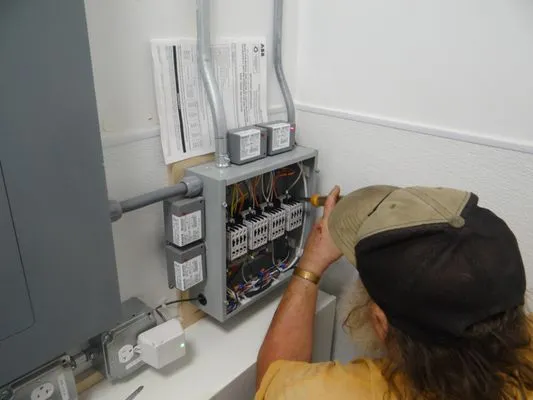
After a career on the road, the founder of Bears Repairs turned a personal challenge into a community service. Faced with the daunting task of rebuilding his own Toledo home, he discovered a practical...
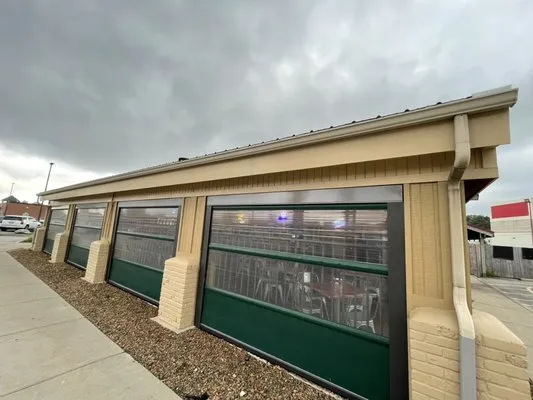
At No Joke Construction, we're a Toledo-based team built on three generations of hands-on construction knowledge. Our founder brings a deep-seated commitment to getting the job done right, no matter t...
Estimated Plumbing Costs in Seneca Township, MI
Frequently Asked Questions
How quickly can a plumber reach my home in Seneca Township?
Heading past Adrian College on US-223 puts me on the main route through the township. From there, it's typically 45-60 minutes to reach most Seneca Center addresses. That includes time to load the right parts for copper repairs and navigate any seasonal road conditions. I plan routes to minimize response time while ensuring I arrive prepared for the specific job.
What should I do before spring thaw to prevent plumbing problems?
Before temperatures rise above freezing, check all exterior faucets and irrigation systems for proper drainage. Disconnect hoses and ensure shut-off valves work smoothly. Insulate pipes in unheated crawl spaces, as rapid thawing can reveal weaknesses developed during cold snaps. A 15-degree low means ground frost penetrates deeper here than in milder regions, putting extra stress on buried supply lines during the freeze-thaw cycle.
Are septic and well systems different to maintain than city utilities?
Private wells and septic systems require different maintenance than municipal connections. Well pumps and pressure tanks need regular inspection for sediment buildup and pressure switch calibration. Septic fields depend on proper bacterial balance and avoiding chemical overloads that kill necessary microbes. Unlike city systems where pressure is regulated centrally, rural setups need whole-house pressure regulation to protect aging copper from surge damage.
What causes those small leaks in older copper pipes?
Pinhole leaks in 1979-era copper often stem from two factors: dezincification at brass fittings and erosion from turbulent water flow. The pipe walls thin over decades, particularly at elbows and tees where water changes direction. Once the copper wall thickness drops below a critical point, pressure creates those pinpoint failures. It's not a manufacturing defect—it's age-related wear that becomes visible around the 45-year mark.
How does the flat land around Adrian College affect my drainage?
Plain terrain with minimal slope slows natural drainage, allowing water to pool around foundation walls. This constant moisture exposure stresses main sewer lines through hydrostatic pressure and soil shifting. Over time, even slight settlement can misalign pipe joints, creating infiltration points for roots or debris. Proper grading away from the house becomes critical here to prevent basement backups and main line stress.
Who handles permits for plumbing work in Lenawee County?
Lenawee County Building Department issues permits for most plumbing modifications, while Michigan Department of Licensing and Regulatory Affairs oversees professional licensing. I manage the permit applications, inspections, and code compliance paperwork as part of the job. Homeowners shouldn't navigate that bureaucracy themselves—proper documentation protects your investment and ensures work meets current Michigan plumbing code standards.
Does hard well water damage my plumbing fixtures?
Hard water from private wells deposits calcium and magnesium scale inside pipes and appliances. Water heaters accumulate sediment at the bottom, reducing efficiency and causing premature element failure. Fixtures develop mineral buildup that restricts flow and damages seals. Over years, this scaling also accelerates corrosion in copper pipes by creating differential oxygen concentrations along the pipe walls.
Why are my copper pipes failing now in Seneca Center?
Copper plumbing installed around 1979 is now 47 years old. At this age, the natural corrosion process accelerates, especially in our area's hard water. Homeowners in Seneca Center are seeing pinhole leaks, joint failures, and reduced water pressure as the pipes reach the end of their typical lifespan. This isn't sudden deterioration—it's the predictable outcome of decades of mineral buildup and electrochemical wear.
