Top Emergency Plumbers in Roscommon Township, MI, 48653 | Compare & Call

Roscommon Township Emergency Plumbers
Phone : (888) 860-0649
There are 42 plumbing companies server in Roscommon Township MI
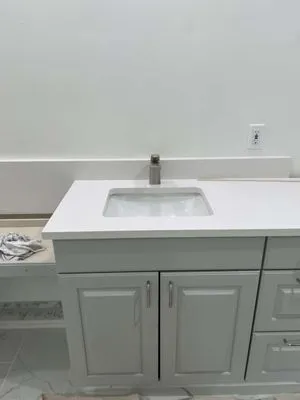
Bentley Plumbing is a family-owned plumbing service in Reed City, MI, with over 20 years of combined experience. Founded by a Master Plumber who now works alongside his two sons as apprentices, we bri...

Klenow & Sons Plumbing has been serving the plumbing, cleaning, and waterproofing needs of Saginaw, Bay, and Midland County residents since 2008. As a family-owned local business, we understand the un...
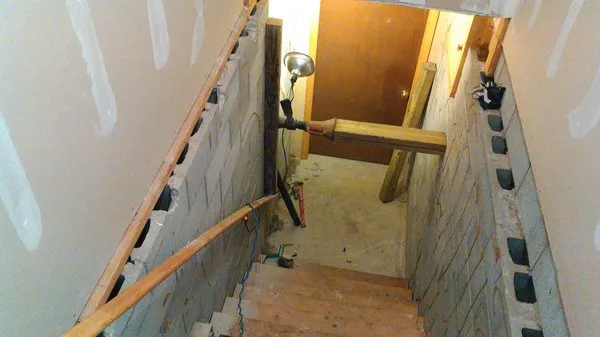
J & H Service has been a trusted part of the Midland community since our founding in 1956. As one of the area's original sewer and drain specialists, we've built our reputation on solving problems wit...
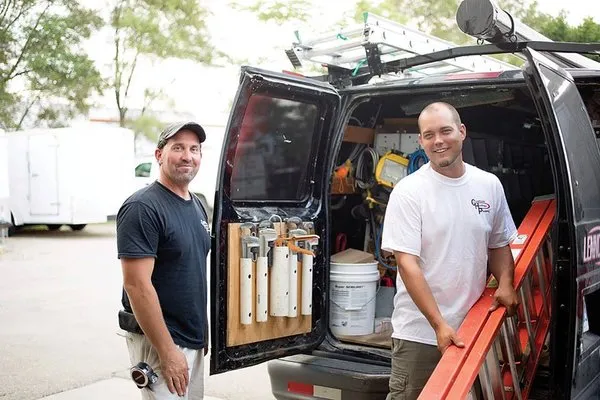
Custom Heating & Plumbing
Custom Heating & Plumbing has been a trusted local provider in Mount Pleasant and across Michigan since 1992. Our team of highly trained technicians delivers reliable installations and repairs for you...
Mr. Rooter Plumbing of Mid-Michigan
Mr. Rooter Plumbing of Mid-Michigan is a locally owned and operated plumbing service in Mount Pleasant, MI, founded by Brad and Amanda. With over 20 years of experience in the service industry, they'v...
J&J Drain Cleaning is a trusted, locally-owned plumbing service serving homeowners and businesses in Clare, MI, and the surrounding areas. We understand that local households frequently face plumbing ...

Owens Plumbing
Owens Plumbing is a family-owned plumbing service based in Rosebush, MI, with over 23 years of experience serving Central Michigan. Specializing in water heaters, water softeners, drain and sewer clea...
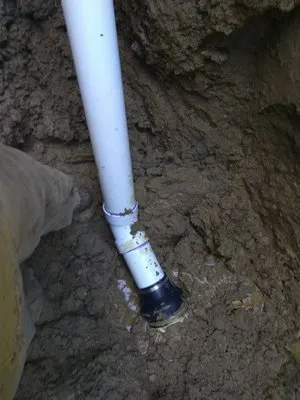
Williams Plumbing Services has been the trusted local plumbing expert in Harrison, MI, for over 35 years. Licensed and insured, we provide reliable, professional-quality plumbing solutions for both re...

Hilts Plumbing & Heating is your trusted, local Harrison plumbing expert, ready to tackle the common water issues homeowners face. We understand that pipe corrosion from our region's water conditions ...

Dun rite Maintenance and Repair is Harrison's trusted plumbing expert, providing reliable solutions for both urgent repairs and planned installations. As a local, family-owned business, we understand ...
Estimated Plumbing Costs in Roscommon Township, MI
FAQs
Why are so many Higgins Lake Area homes having plumbing issues lately?
Copper pipes installed around 1981 are now 45 years old, which is when they typically show age-related problems. Homeowners here are seeing increased frequency of leaks, especially at joints and fittings. The original solder joints from that era are reaching the end of their service life, and the constant expansion and contraction from our temperature swings accelerates wear. Many neighbors are scheduling proactive inspections before small issues become major water damage.
Why does my main water line keep having issues in this low-lying area?
Low-lying terrain around Houghton Lake creates poor drainage that keeps soil saturated longer. This constant moisture accelerates corrosion on buried copper lines. Frost heave during freeze-thaw cycles puts additional stress on already compromised pipes. The water table here often rises in spring, surrounding pipes with mineral-rich groundwater that speeds deterioration. Proper grading around your foundation helps divert water away from critical infrastructure.
What should I do before spring thaw to prevent plumbing emergencies?
Insulate exposed pipes in crawl spaces and basements before temperatures drop to 10°F. Disconnect and drain outdoor hoses to prevent ice backing into interior lines. Keep cabinet doors open under sinks during cold snaps to allow warm air circulation. Schedule a pre-thaw inspection to identify vulnerable sections that might fail when frozen ground begins shifting during the melt.
How quickly can a plumber reach my home in Roscommon Township?
Heading past Houghton Lake on I-75, I can typically reach most Roscommon Township addresses within 45-60 minutes. The route follows I-75 north with predictable traffic patterns, though winter conditions might add 10-15 minutes during heavy snow. I keep my truck stocked for common local repairs, so I'm ready to work immediately upon arrival without needing to return for parts.
Who handles permits for plumbing work in Roscommon Township?
I coordinate directly with the Roscommon County Building Department for all required permits. My Michigan Department of Licensing and Regulatory Affairs credentials ensure work meets state code requirements. Homeowners don't need to navigate bureaucracy—I handle the red tape so you don't have to. Proper permitting protects your investment and ensures repairs won't create issues when you sell your property.
Does hard water from my private well damage plumbing fixtures?
Hard water minerals accumulate inside fixtures and appliances, reducing their lifespan significantly. Water heaters here often fail 3-5 years earlier than in soft water areas due to scale buildup on heating elements. Faucet cartridges and shower valves develop restricted flow as minerals deposit in small openings. Installing a whole-house water softener protects your investment and maintains proper water pressure throughout the home.
What causes those tiny leaks in older copper pipes?
Pinhole leaks in 45-year-old copper often stem from internal corrosion where water chemistry interacts with the pipe walls. The 1981-era copper had thinner walls than today's standards, making it more susceptible to this wear. Joint calcification from decades of mineral buildup creates stress points that eventually fail. These leaks typically start small but can quickly expand, especially during spring thaw when ground movement stresses already weakened sections.
Are there special considerations for plumbing in rural Roscommon County?
Private wells and septic systems require different maintenance than municipal services. Well pumps and pressure tanks need regular checks to prevent sudden failures that leave you without water. Septic systems can back up into drains if not pumped every 3-5 years, especially with hard water scale reducing drainage efficiency. Whole-house filters protect both plumbing and septic systems from mineral buildup that clogs drain fields.
