Top Emergency Plumbers in Rolland Township, MI, 48829 | Compare & Call

There are 34 plumbing companies server in Rolland Township MI

Cascade Plumbing is a family-owned Grand Rapids plumbing company with over 25 years of dedicated service to Cascade and the wider Kent County area. Founded by Jon, a proud local father and community m...
Heyboer Plumbing is a trusted, locally-owned plumbing service in Rockford, MI, dedicated to keeping homes and businesses running smoothly. We specialize in comprehensive plumbing solutions including d...
Top Choice Plumbing
Top Choice Plumbing is a trusted, full-service plumbing company serving Grand Rapids, MI, and surrounding areas. We specialize in comprehensive plumbing solutions, from routine repairs to complex inst...
Multi Serve Restoration & Repair
Multi Serve Restoration & Repair is a Grand Rapids-based contractor with deep roots in Michigan, having served the community since 1997. We started by providing essential residential and commercial co...
Lakeshore Plumbing & Heating is a trusted local plumbing service based in Shelby, MI, dedicated to helping homeowners maintain safe and efficient plumbing systems. We specialize in thorough plumbing i...

It's Fixed is a trusted handyman and home repair service based in Grand Rapids, MI, dedicated to solving household problems efficiently. We specialize in a wide range of services including appliance i...
Sump Pump Pros is your trusted, local plumbing expert serving Lowell, MI. We specialize in a full range of residential plumbing services, from routine faucet repairs and garbage disposal installations...
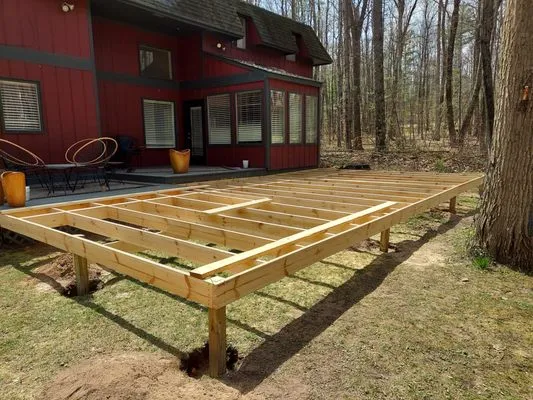
Northern Handyman Services is a trusted local provider in Big Rapids, MI, offering comprehensive home maintenance and repair solutions. We specialize in plumbing services like faucet installation, sho...
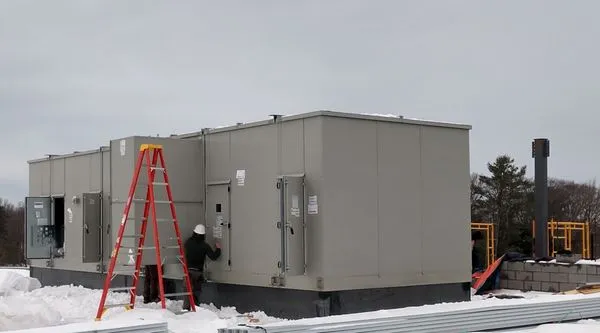
Founded by local resident Brian Klein in 2004, A&B Mechanical Contractors, Inc. brings over two decades of construction expertise to Sparta, Michigan. Starting as A&B Builders, the company has grown i...
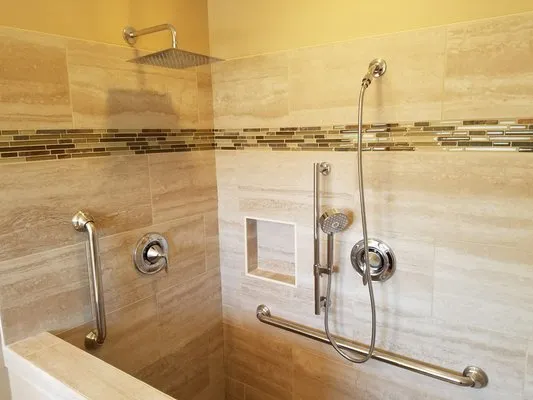
Complete Plumbing has been a trusted plumbing partner for Grand Ledge and the Greater Lansing Area since 1989. As a family-owned and operated business, we've built our reputation on professional workm...
Estimated Plumbing Costs in Rolland Township, MI
Questions and Answers
How long does it take for a plumber to get to my home near Blanchard for an emergency call?
For a true emergency, my dispatch route is predictable. Heading past Rolland Township Park on M-46, I can typically be at your door within 45 to 60 minutes from the call. That routing accounts for the main roads and rural driveways in the area. It helps to have a clear description of the problem and your location ready when you call.
What's the most important thing to do for my plumbing before a deep freeze in this snow belt?
The pro-tip for our climate is to disconnect and drain your garden hoses before temperatures hit 14 degrees. A frozen hose bib can crack the pipe inside your wall, and you won't know until the spring thaw when it starts leaking. Shut off the interior valve to outdoor faucets and open the bib to let any residual water drain out. This simple, seasonal task prevents one of the most common and costly freeze-related failures we see.
Could the flat land around here be causing my slow drains or sewer backups?
The plain terrain around Rolland Township Park offers very little natural slope for drainage. If your home's main sewer line was not graded with a precise pitch during installation, waste and sediment can settle and accumulate instead of flowing away. This is a common stress point for main lines in the area, leading to chronic slow drains or complete blockages that require jetting or camera inspection to diagnose.
What permits or inspections are needed for a water heater replacement in Isabella County?
A water heater replacement typically requires a plumbing permit from Isabella County Community Development. As a master plumber licensed by the Michigan Department of Licensing and Regulatory Affairs, I handle pulling that permit, scheduling the required inspections, and ensuring the installation meets all current code for pressure relief valves and seismic strapping. My credential means I manage the red tape so you don't have to navigate it yourself.
My copper plumbing in Rolland Township was installed in 1982. What problems should I expect at this age?
Copper pipe installed in 1982 is now 44 years old. Homeowners in Blanchard are often seeing pinhole leaks, typically first in hot water lines or behind fixtures. The solder in older joints can also become brittle, leading to seepage at fittings. This is a predictable failure point for copper of this vintage, and a proactive inspection can identify weak spots before they become a major leak.
Are there special plumbing considerations for a rural home with a well and septic system?
Absolutely. Your well pump and pressure tank are the heart of your water system, and a failing pressure switch or tank bladder can cause erratic water pressure or constant pump cycling. On the septic side, what goes down your drain directly impacts the drain field. Harsh chemicals, excessive garbage disposal use, or non-biodegradable materials can clog the system, leading to backups that are expensive to remedy. Maintenance for both systems is critical.
Why are my 1980s copper pipes suddenly springing pinhole leaks?
Pinhole leaks in 44-year-old copper are often caused by a combination of internal corrosion and external soil conditions. Over decades, the protective oxide layer inside the pipe can break down, especially where water velocity is high. Microscopic pits form and eventually penetrate the wall. In our area, aggressive local water from private wells can accelerate this process, making mid-1980s copper a common candidate for replacement.
Does hard water from my private well damage my plumbing and appliances?
Yes, the mineral content in well water causes scale buildup, which acts as an insulator. In a water heater, scale on the heating elements or tank bottom forces the unit to work harder, increasing energy costs and shortening its lifespan. On fixtures and inside pipes, the buildup restricts water flow. A properly sized and maintained water softener is not a luxury here; it's a necessary piece of hardware to protect your investment.
