Top Emergency Plumbers in Riverton Township, MI, 49431 | Compare & Call

There are 26 plumbing companies server in Riverton Township MI
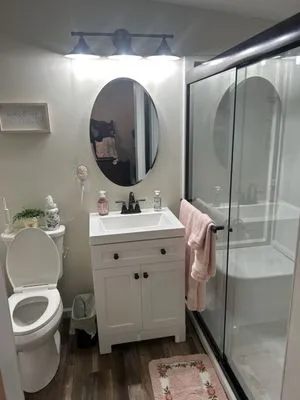
Fix It All Plumbing is your trusted local plumbing expert serving Reed City, MI and surrounding areas. We provide comprehensive plumbing services including bathtub, drain, faucet, garbage disposal, ga...
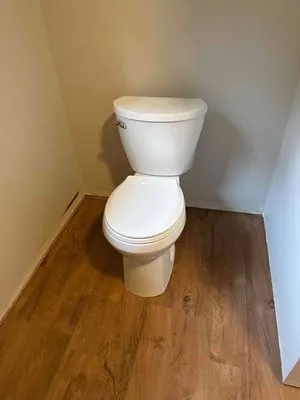
Scheid Plumbing Heating & Cooling
For over four decades, Scheid Plumbing Heating & Cooling has been a trusted family-owned name serving Whitehall, MI, and the surrounding communities of Muskegon, Oceana, Newaygo, Kent, and Ottawa coun...
Wassink Plumbing
Founded in 2018 by licensed Plumbing Contractor Chad Wassink, Wassink Plumbing brings over 14 years of professional experience to every job in Holland and West Michigan. Chad began his career in 2005,...

Lascko Services
Since 1999, Lascko Services has been the trusted, family-owned plumbing and HVAC company for Muskegon residents and businesses. Our journey began over two decades ago with a commitment to reliable ser...

West Michigan Drain Solutions is your local, licensed sewer and drain service in Hart, MI, specializing in rehabilitation and maintenance. Founded on a legacy of reliable service—formerly operating as...
Diamond Plumbing and Drain Cleaning is your trusted, local plumbing expert serving Shelby, Michigan. We offer comprehensive solutions for your home, from routine faucet repairs to complete plumbing sy...
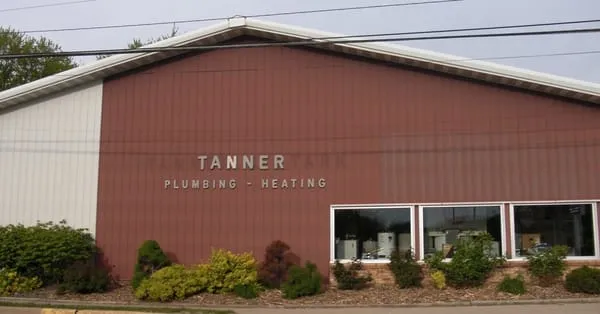
Tanner Plumbing & Heating
For over 70 years, Tanner Plumbing & Heating has been the trusted name for home comfort in Hart, MI. Co-owned by Steve, who brings over 30 years of HVAC experience since joining the team in 1990, the ...
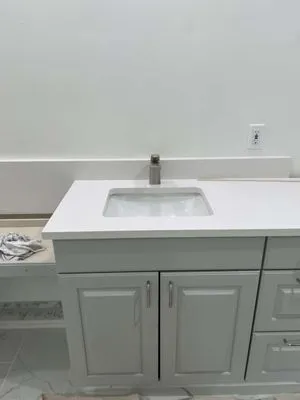
Bentley Plumbing is a family-owned plumbing service in Reed City, MI, with over 20 years of combined experience. Founded by a Master Plumber who now works alongside his two sons as apprentices, we bri...

Standard Point Services in Norton Shores, MI, is a trusted local provider of comprehensive home and commercial solutions, serving the community for over 7 years. Starting with expert cleaning services...

Tony D's Drain and Septic Cleaning is a trusted local plumbing service in Muskegon, MI, specializing in resolving common household plumbing problems that many area residents face. With expertise in dr...
Estimated Plumbing Costs in Riverton Township, MI
Frequently Asked Questions
How fast can a plumber get to my house in Riverton Township?
Heading past Ludington State Park on US-10, our dispatch route covers most of the township. A typical response from the time of your call is 45 to 60 minutes, accounting for rural roads and distance. We prioritize calls to sequence our route efficiently, so providing your cross street helps us plan the fastest approach from the highway.
Could the flat land around here cause plumbing problems?
The plain terrain near Ludington State Park lacks natural slope for drainage. This can lead to saturated soil around your foundation during spring thaw or heavy rains. That constant hydrostatic pressure seeks the path of least resistance, which is often a crack in your main sewer line's pipe joint, leading to infiltration and potential backups.
Who pulls the permits for a water heater or septic repair?
As a licensed master plumber, I handle all required permits through the Mason County Building Department and file the necessary paperwork with the Michigan Department of Licensing and Regulatory Affairs. My credentials allow me to manage that red tape directly, ensuring the work is inspected and documented correctly so you don't have to navigate the process yourself.
Are septic and well inspections really necessary for rural homes?
Yes, because your entire water system is private. A failing pressure tank on the well or a full septic tank directly impacts your home's plumbing functionality and sanitation. Unlike a municipal system where problems are managed externally, a rural homeowner bears full responsibility for the infrastructure from the well casing to the drain field.
Does well water ruin water heaters faster?
Private well water in our township is typically hard, meaning it has high mineral content. This causes scale to build up rapidly inside the tank of your water heater and on heating elements. That insulating layer of scale forces the unit to work harder, overheating the steel tank and shortening its lifespan by several years. An annual flush helps, but the mineral load is a constant factor.
What's the most important thing to do for my pipes before winter in the Snow Belt?
The critical pro-tip here is to disconnect and drain your exterior garden hoses before temperatures hit that 14°F low. A frozen hose bib can crack the pipe inside the wall, and you won't know until the spring thaw when it begins leaking. For vacant properties, a full system winterization is non-negotiable to prevent catastrophic splits.
My house was built in the early 80s. Should I be worried about my plumbing?
Homes in Riverton Center built around 1981 now have 45-year-old copper pipes. At this age, the original soldered joints often begin to fail due to decades of thermal expansion and contraction. You might notice small green corrosion spots at pipe fittings or a persistent drop in water pressure. This isn't a system-wide failure yet, but it signals the start of a predictable maintenance phase for these original installations.
Why does my copper pipe have a tiny leak all of a sudden?
This is a classic pinhole leak in 1980s-era copper. After 45 years, microscopic imperfections in the pipe wall, combined with our area's hard water, can lead to localized corrosion that finally penetrates. The leak often appears on a horizontal run of pipe, not at a joint. It's a wear-out failure specific to the material's age and local water chemistry.
