Top Emergency Plumbers in Riverside Township, MI, 49657 | Compare & Call

Riverside Township Emergency Plumbers
Phone : (888) 860-0649
There are 51 plumbing companies server in Riverside Township MI
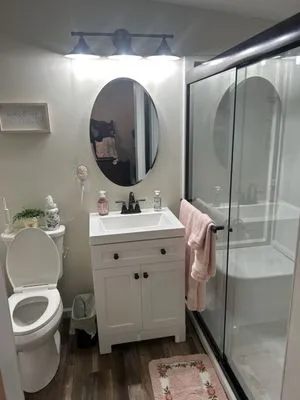
Fix It All Plumbing is your trusted local plumbing expert serving Reed City, MI and surrounding areas. We provide comprehensive plumbing services including bathtub, drain, faucet, garbage disposal, ga...
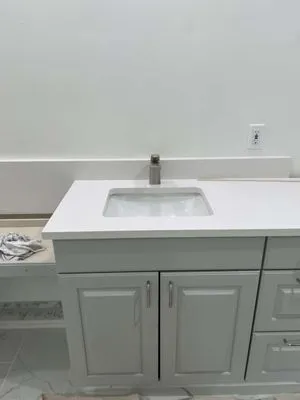
Bentley Plumbing is a family-owned plumbing service in Reed City, MI, with over 20 years of combined experience. Founded by a Master Plumber who now works alongside his two sons as apprentices, we bri...
Klenow & Sons Plumbing has been serving the plumbing, cleaning, and waterproofing needs of Saginaw, Bay, and Midland County residents since 2008. As a family-owned local business, we understand the un...
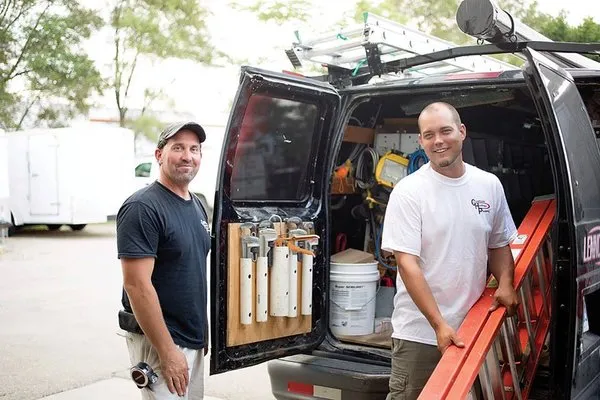
Custom Heating & Plumbing
Custom Heating & Plumbing has been a trusted local provider in Mount Pleasant and across Michigan since 1992. Our team of highly trained technicians delivers reliable installations and repairs for you...
Mr. Rooter Plumbing of Mid-Michigan
Mr. Rooter Plumbing of Mid-Michigan is a locally owned and operated plumbing service in Mount Pleasant, MI, founded by Brad and Amanda. With over 20 years of experience in the service industry, they'v...
J&J Drain Cleaning is a trusted, locally-owned plumbing service serving homeowners and businesses in Clare, MI, and the surrounding areas. We understand that local households frequently face plumbing ...

Owens Plumbing
Owens Plumbing is a family-owned plumbing service based in Rosebush, MI, with over 23 years of experience serving Central Michigan. Specializing in water heaters, water softeners, drain and sewer clea...
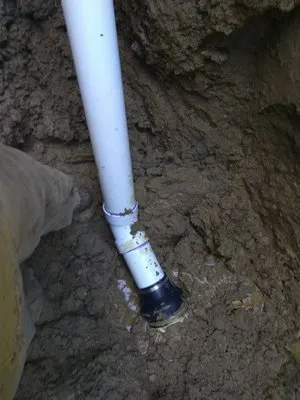
Williams Plumbing Services has been the trusted local plumbing expert in Harrison, MI, for over 35 years. Licensed and insured, we provide reliable, professional-quality plumbing solutions for both re...
Hilts Plumbing & Heating is your trusted, local Harrison plumbing expert, ready to tackle the common water issues homeowners face. We understand that pipe corrosion from our region's water conditions ...

Dun rite Maintenance and Repair is Harrison's trusted plumbing expert, providing reliable solutions for both urgent repairs and planned installations. As a local, family-owned business, we understand ...
Estimated Plumbing Costs in Riverside Township, MI
Frequently Asked Questions
Are there special plumbing considerations for a rural home in Riverside Township?
Rural plumbing revolves around your private well and septic system. Well pump pressure switches and tanks need regular service, and the septic field's health is paramount—what goes down your drain directly impacts it. There's no municipal backup, so a failure in either system is an immediate household emergency. Understanding the location and function of your well head, pressure tank, and septic tank access lids is crucial for any homeowner here.
Does having a private well with hard water damage my appliances?
Yes, it significantly shortens their lifespan. Hard water from a private well deposits scale inside pipes and appliances. Your water heater's tank and heating elements become coated, forcing it to work harder and fail years earlier. Fixtures like showerheads and faucet cartridges clog with mineral deposits, reducing flow and pressure. Installing and maintaining a whole-house water softener is not a luxury here; it's essential protection for your plumbing investment.
My house in Riverside Heights was built in the early 80s. Should I be worried about my plumbing?
Homes here, built around 1981, now have copper pipes that are 45 years old. That's the typical lifespan for this material under our conditions. What you'll start seeing is pinhole leaks appearing in the hot water lines, especially behind walls or in ceilings. The solder joints from that era are also becoming brittle and can fail without much warning. It's a predictable phase, and proactive inspection can prevent a major water damage event.
How long does it take for a plumber to get to Riverside Township for an emergency?
From our shop, we head past the Paw Paw River and take I-94 directly into the township. Barring heavy traffic or winter weather, that's a consistent 45 to 60 minute dispatch. We factor that transit time into our scheduling to give you a realistic arrival window. For true emergencies, we communicate that ETA clearly so you know when to expect us.
Do I need a permit to replace my water heater, and who handles that?
Yes, the Riverside Township Building Department requires permits for water heater replacements to ensure safe venting and pressure relief. As a licensed Master Plumber through the Michigan Department of Licensing and Regulatory Affairs, I pull those permits, schedule the inspections, and ensure the installation meets all current code. My credential means I handle that red tape so you don't have to navigate the paperwork or risk a failed inspection on your own.
Why are my copper pipes suddenly springing leaks?
Copper pipes installed in 1981 are now failing due to a combination of age and our local water chemistry. The most common failure is pinhole leaks caused by internal corrosion and scale buildup from decades of hard water. We also find that the original solder joints have calcified and lost their seal. This isn't a defect in your home specifically; it's a system-wide issue for this vintage of plumbing in Riverside Heights.
What's the most important thing to do for my pipes before winter in this snow belt?
The critical pro-tip for our climate is to disconnect and drain your outdoor hose bibs well before temperatures consistently hit 18°F. Water left in those lines will freeze and crack the pipe inside your wall, leading to a leak you won't discover until the spring thaw. Insulating exposed pipes in crawl spaces or garages is also a must. A slow drip from faucets during extreme cold snaps can prevent pressure buildup in lines.
Could the flat, low land near the Paw Paw River cause plumbing problems?
The low-lying terrain here directly stresses your main sewer line. During heavy rains or rapid snowmelt, the high water table can put hydraulic pressure on underground pipes, leading to infiltration or even a backup. The soil saturation also causes ground shift over time, which can stress pipe joints and connections. We often find that main line cleanouts in these areas need to be checked more frequently for root intrusion and proper drainage slope.
