Top Emergency Plumbers in River Rouge, MI, 48218 | Compare & Call

There are 193 plumbing companies server in River Rouge MI

Best Plumbing
Best Plumbing in Taylor, MI has been the trusted local plumbing expert since 1984, building a reputation for reliable service over our 30+ years in business. As licensed and insured professionals, we ...

WaterWork Plumbing has been serving Ferndale and Metro Detroit since 2006, founded by licensed Master Plumber David Greylen. Starting with a single truck, the company has grown into a team of over twe...

Pypes Plumbing has served Detroit and Oakland County for years, providing reliable plumbing solutions with a focus on lasting quality. Our team handles everything from routine repairs to complex insta...

TNT Plumbing is a licensed plumbing company serving Detroit and surrounding communities since 1985. With over 20 years of experience, we provide reliable plumbing services for both residential and com...
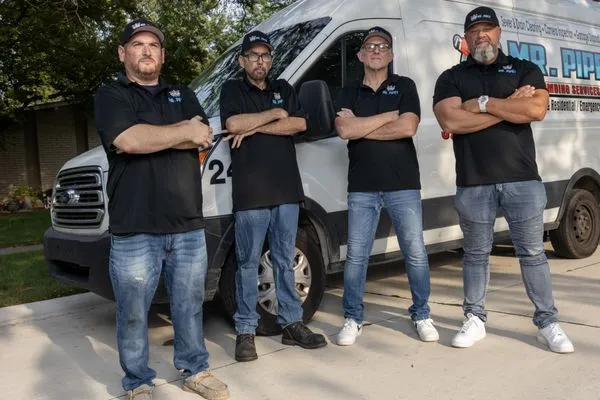
Mr. Pipey Plumbing is a Detroit-based plumbing service that specializes in resolving drain and sewer problems with effective methods. Our team uses snaking to clear blockages, hydrojetting to clean pi...
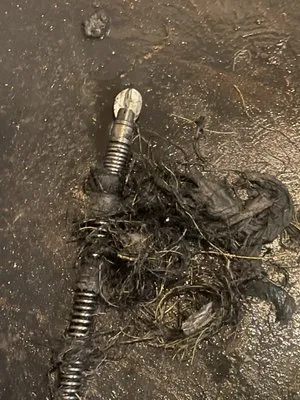
Detroit Helpers is a family-founded plumbing service deeply rooted in the Detroit community. With over 15 years of combined experience, we operate with a simple, honest mission: to provide reliable pl...

GLS Plumbing is a trusted Detroit plumbing company serving homeowners throughout the city with comprehensive plumbing solutions. We specialize in installations, repairs, and maintenance for all reside...
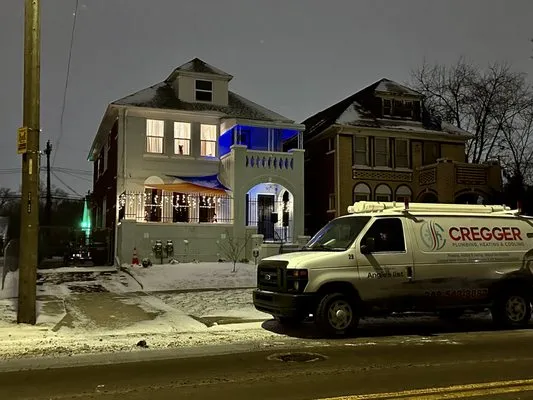
Cregger Plumbing, Heating & Cooling
Cregger Plumbing, Heating & Cooling is a third-generation family-owned business serving Ferndale and surrounding communities since 1987. Founded on deep plumbing expertise that began with the current ...
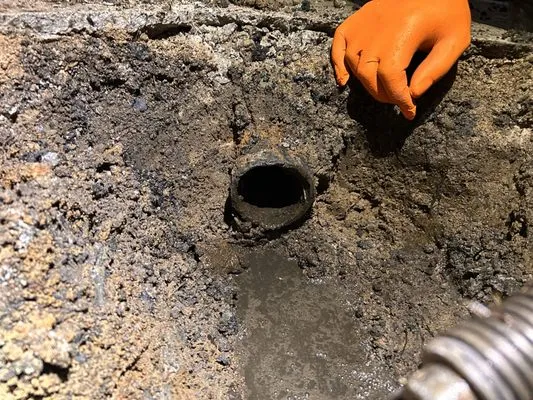
For over three decades, the Drain Doctor has been a trusted plumbing name in Detroit and the Downriver communities. Founded in 1990 as a father-and-son operation, our roots are right here in Michigan....
For over 40 years, Chuck Putzig's Plumbing has been the trusted local choice for Allen Park residents. As a locally owned and operated business, our mission is grounded in a strong work ethic and a co...
Estimated Plumbing Costs in River Rouge, MI
Questions and Answers
Does Detroit River water damage my plumbing fixtures?
Water drawn from the Detroit River contains high mineral content that creates scale buildup throughout your home's plumbing. Water heaters suffer most—their heating elements become insulated by mineral deposits, reducing efficiency by up to 30% and shortening tank lifespan. Fixtures develop reduced flow as aerators clog with calcium deposits, and toilet fill valves fail prematurely from scale interference.
Why do my old pipes keep springing pinhole leaks?
Galvanized steel pipes from 1944 develop pinhole leaks due to internal corrosion called tuberculation. Mineral deposits build up unevenly inside the pipe, creating oxygen concentration cells that eat through the steel. These leaks typically appear along the bottom of horizontal runs or at threaded joints where the pipe wall is thinnest. Once one pinhole appears, others usually follow within months as the corrosion pattern continues.
Who handles permits for plumbing work in River Rouge?
I coordinate directly with the River Rouge Building Department for all required permits and inspections. My Michigan Department of Licensing and Regulatory Affairs credentials ensure work meets current code standards for water conservation and safety. Homeowners avoid the red tape of navigating municipal requirements themselves—I submit plans, schedule inspections, and provide documentation for your records once work passes final inspection.
Are tree roots a problem for sewer lines in urban River Rouge?
Municipal water pressure in River Rouge averages 60-80 PSI, which stresses older galvanized pipes already weakened by age. Tree roots seek out the smallest cracks in sewer laterals, particularly at joints where pipes connect to the main. These roots can completely block a 4-inch line within a single growing season. We recommend camera inspections every 3-5 years for homes with mature trees near the sewer lateral path.
How quickly can a plumber reach my home near Belanger Park?
Heading past Zug Island on I-75, our dispatch route follows the industrial corridor directly into residential River Rouge. This 20-30 minute response window accounts for local traffic patterns and bridge crossings. We maintain vehicles stocked with common replacement parts for older homes, so we often arrive ready to work immediately rather than making multiple trips.
How long do galvanized steel pipes last in River Rouge homes?
Galvanized steel pipes installed around 1944 are now 82 years old. Homeowners in the Belanger Park Area are seeing rust-colored water, reduced pressure from mineral buildup, and frequent leaks at threaded joints. The zinc coating that once protected these pipes has completely deteriorated, leaving bare steel exposed to constant water contact. This corrosion accelerates in our hard water conditions, creating a ticking clock for replacement.
Why does my basement drain slowly during heavy rain?
River Rouge's low-lying terrain, particularly near Zug Island, creates drainage challenges during wet periods. Soil saturation puts hydrostatic pressure on buried main lines, potentially causing joint separation or pipe deflection. Your lateral line may experience backpressure from the municipal system, slowing drainage. We often find tree roots exploiting these stressed joints, creating compound drainage issues that require camera inspection to diagnose properly.
What should I do before spring thaw to prevent plumbing problems?
Before temperatures rise above freezing consistently, check all exposed pipes in basements and crawl spaces for existing leaks. Our 19°F winter lows can cause minor cracks that only reveal themselves during spring thaw when water pressure normalizes. Insulate pipes in unheated areas, and ensure your main water shutoff valve operates smoothly. Schedule a pressure test if your home has original galvanized lines—thaw cycles stress already weakened pipes.
