Top Emergency Plumbers in Quincy, MI, 49082 | Compare & Call

There are 14 plumbing companies server in Quincy MI
Whitney Services, led by master electrician Tim, has been a trusted name in Kalamazoo for plumbing, electrical, and HVAC needs. Founded on integrity and professionalism, Tim’s positive approach ensure...
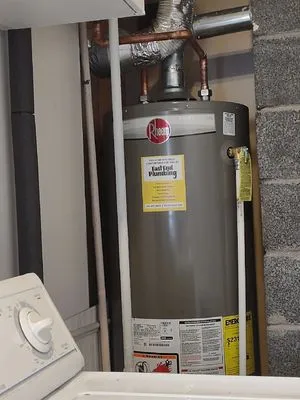
East End Plumbing is a trusted local plumbing company serving Kentwood and the surrounding communities. We specialize in a wide range of residential plumbing services, from emergency repairs to full i...

For five years, JL Services has been a trusted home services provider in Battle Creek, MI, dedicated to helping local residents maintain and repair their homes. We take pride in every job, from applia...
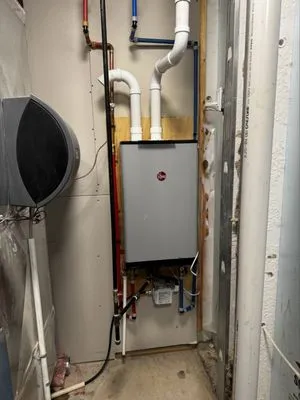
BrucePros is a family and veteran-owned plumbing business serving Kalamazoo and southwest Michigan since 1980. We specialize in comprehensive plumbing services including bathtub, faucet, sink, toilet,...

Mr Bean's Plumbing is a local, Adrian-based plumbing company founded by Master Plumber Daniel Bean. After more than two decades of experience working for others, Daniel started his own company to offe...
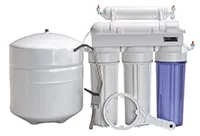
American Water Systems has been a trusted provider of water solutions for Sturgis and the surrounding area since 1998. Founded by Troy Johnson, who started in the industry in 1986, our team brings dec...

Purple Home Improvements is your trusted, local contractor serving Athens and the surrounding area. We specialize in a wide range of home services, from expert window and siding installation to full b...

Roto-Rooter
Roto-Rooter in Battle Creek, MI, is a trusted local plumbing service with deep roots in the community. Since 1933, when Samuel Blanc invented the original sewer cleaning machine his wife named 'Roto-R...

Aker Plumbing & Heating has been a trusted fixture in Coldwater since 1968. As the third owner, I bring over 15 years of experience as a service technician and a passion for repairing equipment direct...
R & M Service
R & M Service has been a trusted heating, cooling, and plumbing resource for Coldwater residents and businesses since opening our shop in 1999. Under the same dedicated ownership since 2002, we are fu...
Estimated Plumbing Costs in Quincy, MI
Common Questions
Are there special considerations for plumbing in a rural home like mine?
Rural plumbing here revolves around your private well and septic system. They form a closed loop. A failing pressure tank or pump can cause rapid cycling that stresses pipes, while a full septic tank can send wastewater back into drains. You don't have municipal oversight, so proactive maintenance—like septic pumping every 3-5 years and checking your well's pressure switch—is your responsibility to prevent major backups or water outages.
Could the flat land around here cause plumbing problems?
The relatively plain terrain affects drainage. Without significant slope, surface water and snowmelt from the spring thaw can pool around foundations. This saturated soil puts constant hydrostatic pressure on basement walls and can seep into cracks, threatening your main drain line. It also means a septic system's drain field must be perfectly leveled during installation to function correctly, as there's little natural gradient to aid dispersal.
What permits do I need to replace my water heater or repipe my house?
Most plumbing work in Quincy requires a permit from the Branch County Building Department. As a Master Plumber licensed by the Michigan Department of Licensing and Regulatory Affairs, I pull those permits, schedule the required inspections, and ensure the work meets all state and county codes. My license means I handle that red tape and assume the legal liability for the installation, so you don't have to navigate the process yourself.
What's the most important thing to do before winter to avoid frozen pipes?
Disconnect and drain all outdoor hoses before the first hard freeze. An attached hose holds water back into the faucet's interior valve, which is often in an uninsulated wall cavity. That small amount of trapped water freezes and splits the valve or pipe. For a pro-tip in this snow belt, also make sure the soil grade directs water away from your foundation to prevent frost from penetrating near your main line entry point.
Does well water ruin water heaters faster?
Yes, the hard water common to private wells in Branch County significantly shortens appliance life. Minerals like calcium and magnesium precipitate out as scale, coating heating elements and lining tank interiors. This scale acts as an insulator, forcing the heater to work harder and overheat, while also trapping corrosion against the tank wall. Draining and flushing your tank annually is critical to manage this.
How long does it take for a plumber to get to Quincy from the Coldwater area?
A typical dispatch from our shop near Marble Lake takes about 45 to 60 minutes. The route involves heading past Marble Lake onto US-12, which is the main artery into Quincy. We factor in that travel time when you call so you have a clear expectation, and we communicate directly if road conditions or an emergency call ahead of us causes a delay.
Why do I keep getting pinhole leaks in my old pipes?
Galvanized steel corrodes from the inside out. After 70-plus years, the protective zinc coating is gone, and the bare steel is exposed to water and minerals. This creates tuberculation, which are rough, crusty deposits that trap water and accelerate corrosion in specific spots. Those weak spots eventually fail as pinhole leaks, often starting at threaded joints or where pipes rest against a joist.
Our house was built in the 1950s. Should I be worried about the plumbing?
With galvanized steel pipes installed around 1953, your plumbing is now about 73 years old. This is well beyond its expected lifespan. In Quincy Village Center, we're seeing the final stage of failure: widespread internal scale buildup that chokes off water pressure and leads to sudden, total pipe blockages. You might have decent flow one day and barely a trickle the next. Complete pipe replacement is often the only permanent solution at this stage.
