Top Emergency Plumbers in Putnam Township, MI, 48169 | Compare & Call

There are 230 plumbing companies server in Putnam Township MI
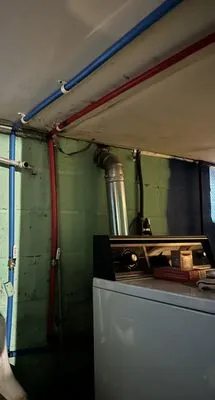
Edge Plumbing is a trusted local provider serving Toledo and surrounding Ohio communities with comprehensive residential plumbing services. Our team specializes in everything from routine maintenance ...
Gus The Handyman is a trusted, full-service provider for Livonia homeowners. We specialize in solving a wide range of household problems, from appliance repair to electrical work. A common local issue...
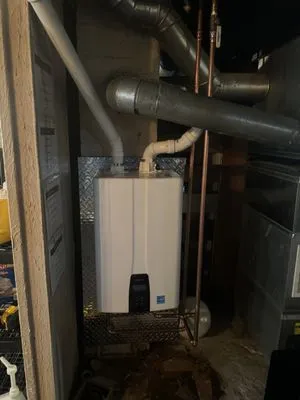
Pete The Plumber is a trusted, licensed plumbing contractor serving Dearborn Heights and Southeast Michigan with reliable plumbing solutions. Our team of UA union-trained and licensed plumbers is avai...
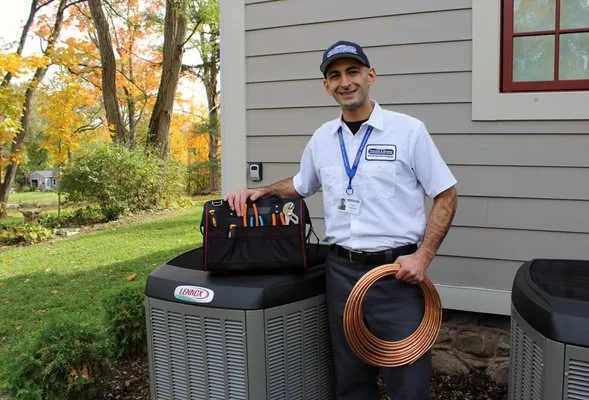
Thornton & Grooms
Thornton & Grooms is a family-run heating, cooling, and plumbing company that has been a trusted part of the metro Detroit community since 1937. Now led by the second and third generation, the team is...
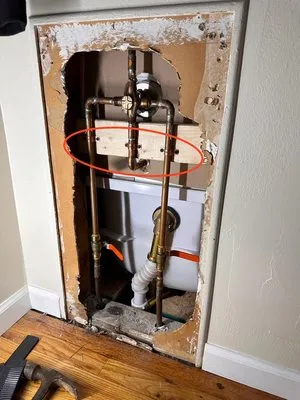
Cumming's Plumbing has been the trusted plumbing expert for Plymouth, MI, homes and businesses since 1958. As a family-owned, licensed, and insured company, we understand the specific challenges local...
Shawn's Botany and Landscaping is a Detroit-based company that combines expert landscaping with comprehensive plumbing services to address both outdoor and indoor home needs. Serving the local communi...
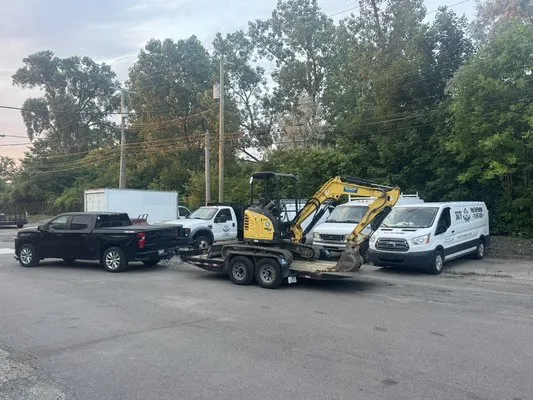
Pete The Plumber is a trusted local plumbing service in Plymouth, MI, dedicated to solving the common plumbing challenges homeowners face in our community. We specialize in addressing issues like kitc...
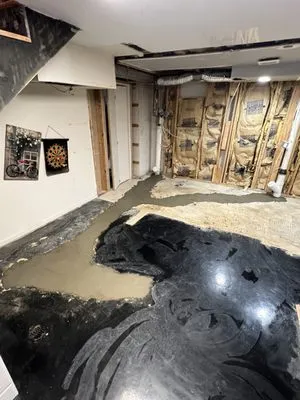
Supreme Drain Cleaning
Supreme Drain Cleaning is Novi's trusted solution for a wide range of plumbing and drainage issues. We specialize in everything from routine drain cleaning and garbage disposal repair to major sewer l...
Drain Experts is a trusted, full-service plumbing company serving Westland, MI, and the surrounding communities. We provide comprehensive plumbing solutions, from emergency drain cleaning and sewer re...
Brock's Plumbing & Sewer Cleaning
Brock's Plumbing & Sewer Cleaning is a Detroit-based plumbing company that has been serving homeowners and businesses since 2003. Founded by a licensed and insured plumber with experience from a natio...
Estimated Plumbing Costs in Putnam Township, MI
Common Questions
How long does it take for a plumber to get here in an emergency?
From our shop, a typical dispatch route heads past the Pinckney Recreation Area on M-36 into the township. With normal traffic, you can expect a service truck at your door in 45 to 60 minutes. We factor in the rural roads and driveways off the main routes. For critical leaks, we advise homeowners to locate and turn off their main water valve immediately; that initial action buys us the time we need to get there and make a proper repair.
My home's copper pipes are from the 80s. What should I be looking out for?
Houses with copper plumbing from the mid-80s, which are now 41 years old, are entering a predictable failure window. In Pinckney Village, we often see pinhole leaks developing along horizontal runs, especially in hot water lines. This happens due to decades of water chemistry interacting with the pipe wall, thinning it from the inside. Catching a small leak early, often indicated by a greenish-blue stain on a pipe or a tiny drip, can prevent a major water damage event later.
Could the hilly land here cause plumbing problems?
The sloping terrain common around the Pinckney Recreation Area puts constant, uneven stress on underground main water lines running from your well to the house. Over years, this can lead to joint fatigue or a slow leak at the point where the pipe enters the foundation. It also affects drainage; downspouts should extend well away from the foundation on the downhill side to prevent water from pooling and potentially infiltrating your basement during heavy rains.
Do I need a permit to replace my water heater?
Yes, Putnam Township requires permits for water heater replacements, which involves an inspection. As a Master Plumber licensed by the Michigan Department of Licensing and Regulatory Affairs, I pull all necessary permits and schedule the inspections as part of the job. Handling this red tape is a standard part of our service—it ensures the work meets current code for safety and gives you a documented record for future home sales.
What's the most important plumbing task before winter ends?
Before the spring thaw hits its peak, disconnect any garden hoses from your exterior faucets. A hose left connected traps water in the faucet's internal valve, which can freeze and split the brass body. That split often remains hidden until you turn the water back on in spring, causing a flood in your basement or crawl space. It's a simple, two-minute task that prevents one of our most common seasonal service calls.
Does hard well water damage my plumbing fixtures?
Yes, the mineral content in private well water around Putnam Township causes significant scale buildup. This chalky deposit accumulates most aggressively inside water heaters, reducing efficiency and shortening their lifespan. It also restricts flow in faucet aerators and showerheads. Installing and maintaining a whole-house water softener is the most effective defense, protecting your appliances and preserving your water pressure.
Why do my copper pipes keep springing pinhole leaks?
Copper installed around 1985 is susceptible to pinhole leaks due to a process called type 2 pitting corrosion. Over four decades, microscopic imperfections in the pipe's interior, combined with our local water chemistry, create concentrated spots of corrosion that eventually perforate. The leaks frequently appear on the bottom of horizontal pipes. It's a systemic issue for this vintage of plumbing, not a flaw in the initial installation.
Are there special considerations for plumbing in a rural area like this?
Rural plumbing here revolves around the private well and septic system, not city water and sewer. Well pump and pressure tank performance directly affect everything in the house. Septic system health is also critical; what goes down your drains must be biodegradable to avoid costly tank pumping or field line failure. We always check both systems during a major home plumbing evaluation because they are interconnected parts of your property's infrastructure.
