Top Emergency Plumbers in Pulaski, MI, 49237 | Compare & Call

There are 238 plumbing companies server in Pulaski MI
Legacy Plumbing Heating & Air
Legacy Plumbing Heating & Air is a family-owned and operated Fort Wayne business serving the community since 2000. Founded by Vicky Griffin alongside three generations of her family, the company began...
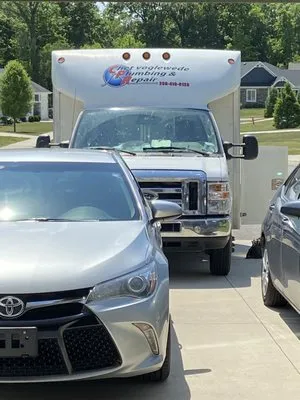
Since becoming a licensed plumber in 1997, Chet Voglewede has built a trusted reputation in Fort Wayne by providing comprehensive plumbing services directly to homeowners. As the owner and operator, y...
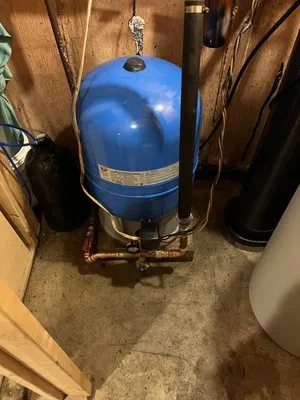
Galaxy Plumbing is your trusted Master Plumbing Contractor in Avilla, IN, with a solid decade of experience serving Noble County homes and businesses. We are fully licensed, insured, and bonded, provi...
Mr. Rooter Plumbing of Fort Wayne
Mr. Rooter Plumbing of Fort Wayne has been serving the local community with reliable plumbing solutions since the original company was founded in 1970. As an independently owned and operated franchise...
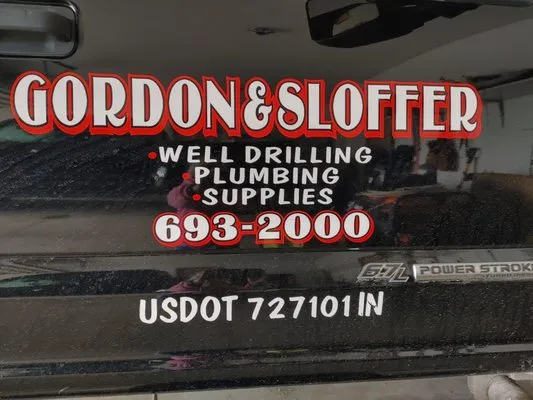
Gordon & Sloffer
Since 1954, Gordon & Sloffer, Inc. has been the trusted local name for well water and plumbing in Churubusco, Indiana. As a licensed and insured family business serving three generations, we specializ...
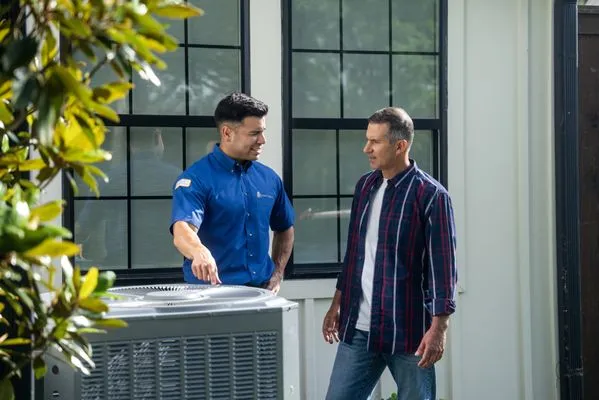
Home Comfort Experts
Home Comfort Experts is a Fort Wayne-based company dedicated to ensuring the comfort and reliability of your home's essential systems. We specialize in comprehensive residential plumbing, heating, air...
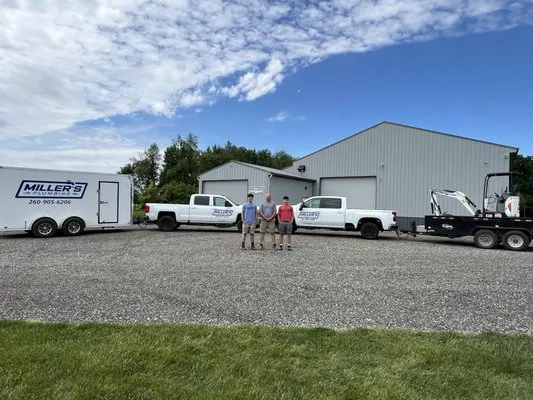
Miller's Plumbing has been serving the Pleasant Lake community for years, providing reliable plumbing solutions for homes and businesses. We specialize in a wide range of services, from faucet and dra...
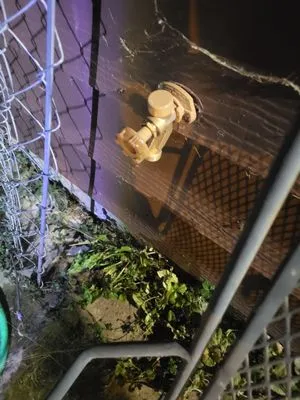
12 Kilo Plumbing is a trusted local plumbing service in Auburn, Indiana, specializing in comprehensive residential plumbing solutions. We handle everything from routine repairs and installations to co...
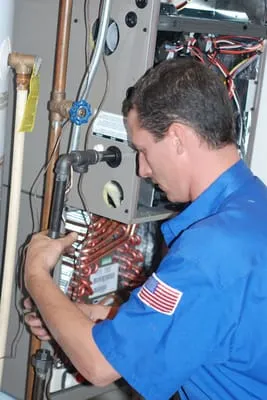
Home Comfort Experts
Home Comfort Experts is a trusted local provider serving Mishawaka residents with comprehensive plumbing, HVAC, and indoor air quality solutions. Our team of skilled technicians specializes in residen...
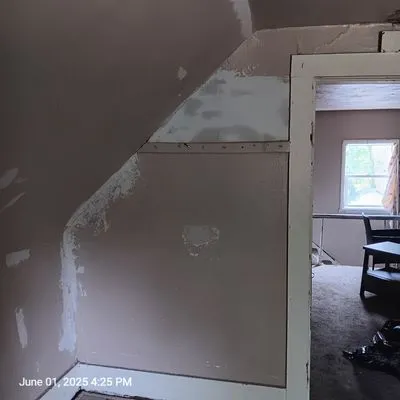
Reneau's Remodeling is a locally owned and operated home improvement business serving Montpelier and the surrounding areas. Founded in 2021 by Chad Reneau, the company is built on a straightforward pr...
Estimated Plumbing Costs in Pulaski, MI
Q&A
What's the most important spring plumbing tip for Pulaski's climate?
After our 15-degree lows, the spring thaw is the peak season for leaking supply lines. A pro-tip is to slowly open any exterior hose bibs that were shut off for winter. Turn the valve just enough to allow water to flow and pressure to equalize, which reduces stress on seals and solder joints. Also, check the ground around your main line entry for soft spots indicating a leak from a freeze-thaw cycle.
Does hard water from a private well damage my plumbing fixtures?
Yes, the mineral content in well water causes scale buildup. This is most damaging to water heaters, where scale insulates the heating elements, forcing them to work harder and fail sooner. You'll also see reduced flow at faucet aerators and showerheads. For appliances like dishwashers and washing machines, the minerals can interfere with valves and sensors over time.
How long does it take for a plumber to get to Pulaski from Jackson?
A standard dispatch from Jackson takes 45 to 60 minutes. The route heads out past Pulaski Township Park on M-99. Traffic is rarely a factor, but travel time depends on the exact location within the township and current road conditions. We factor this into our scheduling to give you a realistic arrival window.
What permits are needed for a water heater replacement in Jackson County?
Replacing a water heater typically requires a permit from the Jackson County Building Department to ensure the installation meets current code, especially for pressure relief valve and expansion tank requirements. As a licensed Master Plumber through the Michigan Department of Licensing and Regulatory Affairs, I handle pulling the permit, scheduling the inspection, and managing all documentation. This process ensures your system is safe and documented, which is important for home insurance and future sales.
Could the flat land here cause drainage problems for my home's plumbing?
The plain terrain around Pulaski Township Park means there's little natural slope for water to run off. This can lead to saturated soil around your foundation and septic drain field. For the main sewer line, the lack of grade requires precise installation; even a slight belly or sag in the pipe can cause waste and solids to collect, leading to recurrent clogs. Proper bedding and compaction during installation are critical.
Why do my copper pipes from the 80s keep springing pinhole leaks?
Copper installed around 1981 has spent decades with water flowing through it. Pinhole leaks are often caused by a combination of the water's pH from your private well and microscopic erosion from sediment. Over 45 years, this wear concentrates at specific points, finally penetrating the pipe wall. The leaks frequently follow a pattern, appearing in horizontal runs or on the downstream side of fittings where turbulence occurs.
Are there special plumbing considerations for a rural home with a well and septic system?
The entire water and waste system is your responsibility. A failing pressure tank or well pump means no water. Septic system health is directly tied to what goes down the drains; garbage disposals and certain chemicals can disrupt the bacterial balance. It's a closed loop, so a problem with one component, like a water softener for the hard water, can have downstream effects on the septic tank's performance.
My Pulaski home's copper pipes are from 1981. Should I be worried?
A 45-year-old copper system is in its late service life. Homeowners across the Pulaski Township Area are now seeing the effects of decades of water chemistry and pressure cycles. This typically shows up as persistent pinhole leaks, especially in hot water lines, or green corrosion spots at solder joints. It's a predictable phase where proactive inspection and selective replacement are more cost-effective than waiting for a major failure.
