Top Emergency Plumbers in Prairie Ronde, MI, 49087 | Compare & Call

There are 86 plumbing companies server in Prairie Ronde MI

Church Plumbing & Heating
Church Plumbing & Heating has been a trusted name in Northern Indiana and Southwest Michigan since Mike and Mary Church founded it in 1984. Now managed by their son Michael, who joined the business fu...
Visionary Home Improvements
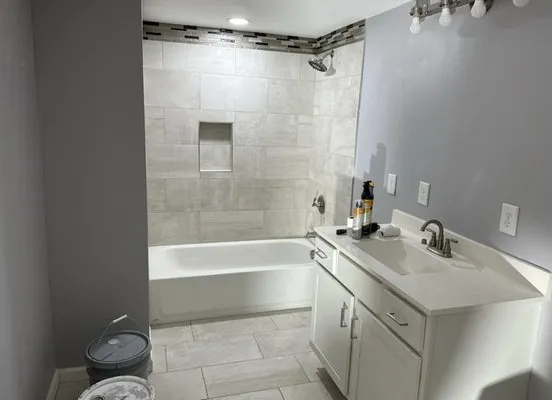
Visionary Home Improvements is a trusted South Bend plumbing and home repair company founded by Tarrin, Jason, and Cal. With nearly four decades of combined experience in home repairs, property manage...
Advantage Plumbing & Drain
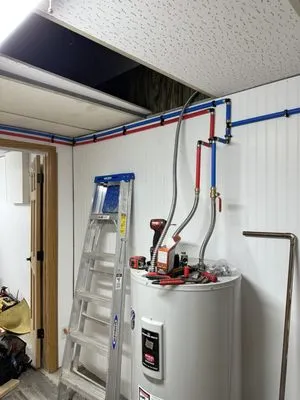
Founded in 2004 by licensed Master Plumber Ryan, Advantage Plumbing & Drain serves Hastings, MI, with comprehensive residential and commercial plumbing solutions. As a certified plumbing contractor an...
Wassink Plumbing
Founded in 2018 by licensed Plumbing Contractor Chad Wassink, Wassink Plumbing brings over 14 years of professional experience to every job in Holland and West Michigan. Chad began his career in 2005,...
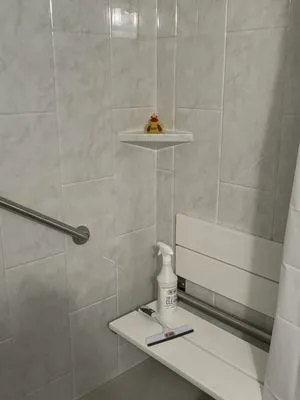
Re-Bath in Grand Rapids, MI specializes in bathroom remodeling services for local homeowners. Founded in 1979, we introduced "The Refreshing Remodel" approach, handling every aspect of bathroom update...
Whitney Services, led by master electrician Tim, has been a trusted name in Kalamazoo for plumbing, electrical, and HVAC needs. Founded on integrity and professionalism, Tim’s positive approach ensure...
East End Plumbing is a trusted local plumbing company serving Kentwood and the surrounding communities. We specialize in a wide range of residential plumbing services, from emergency repairs to full i...

LDA Construction is a trusted, full-service handyman and contracting company serving Nashville, MI, and the surrounding Barry County area. We understand that local homeowners frequently face urgent pl...

Elite Pipeline Services
Elite Pipeline Services is a family-run business established in Allendale, MI, in 2005. We specialize in trenchless sewer repair and pipeline rehabilitation, offering residents and businesses a way to...
Wilcox Plumbing and Piping
Wilcox Plumbing and Piping is a locally-owned plumbing service in Scotts, MI, with nearly four decades of combined experience. Founded by two skilled plumbers who previously served top contractors acr...
Estimated Plumbing Costs in Prairie Ronde, MI
Q&A
What spring maintenance prevents plumbing emergencies here?
Before spring thaw temperatures rise above freezing, disconnect and drain outdoor hoses to prevent backflow into interior pipes. Check exposed pipes in crawl spaces for insulation gaps - our 15°F winter lows can cause residual damage that manifests during thaw cycles. A pro-tip: install frost-proof hose bibs if you haven't already, as they handle our temperate climate's freeze-thaw patterns better than standard fixtures.
How quickly can a plumber reach my home in Prairie Ronde?
Heading past Prairie Ronde Cemetery on US-131, most service calls reach homes within 45-60 minutes. The route follows US-131 through the township's main corridors, avoiding backroad delays common in rural areas. This dispatch path covers most residential properties efficiently, though exact timing depends on your specific location off the highway.
Why do my copper pipes keep developing small leaks?
Copper pipes from 1988 installations often develop pinhole leaks due to electrolytic corrosion between dissimilar metals. The original dielectric unions weren't always properly installed, allowing galvanic action that eats through pipe walls over decades. Joint calcification from hard water buildup creates additional stress points where failures typically occur first.
Could my property's slope be causing drainage issues?
The plain terrain around Prairie Ronde Cemetery creates subtle drainage challenges many homeowners overlook. Even gentle slopes can direct surface water toward foundation walls, putting hydrostatic pressure on underground plumbing. Main lines running through these areas may experience soil shifting during wet seasons, stressing pipe joints and potentially causing misalignment or cracks over time.
Who handles permits for plumbing work in Prairie Ronde Township?
The Prairie Ronde Township Building Department issues local permits, while Michigan Department of Licensing and Regulatory Affairs credentials ensure work meets state code. I handle this red tape for homeowners - filing paperwork, scheduling inspections, and ensuring installations pass both township and state requirements. This saves you from navigating bureaucratic processes while guaranteeing your plumbing upgrades are properly documented.
My copper pipes were installed around 1988 - what should I watch for now?
Copper pipes installed in 1988 are now 38 years old. Homeowners in Prairie Ronde Township often notice pinhole leaks appearing in hot water lines first, especially near joints where solder has degraded. The original installation methods from that era didn't always account for our hard water conditions, accelerating wear. Regular inspections of exposed pipes in basements can catch these issues before they become major leaks.
How does rural living affect my septic and well systems?
Rural properties with private wells and septic systems require different maintenance than municipal services. Well pumps need regular pressure checks since there's no city water pressure to compensate for aging components. Septic field lines should be inspected every three years - the soil absorption rate in our area can change with seasonal moisture levels, affecting system performance.
Does hard well water damage my plumbing fixtures?
Hard water from private wells causes scale buildup that reduces water heater efficiency by 20-30% over five years. Mineral deposits accumulate inside fixtures, restricting flow and wearing out valve seats prematurely. Water heaters suffer most - sediment collects at the bottom, creating hot spots that can warp the tank and shorten its lifespan significantly.
