Top Emergency Plumbers in Portsmouth, MI, 48708 | Compare & Call

There are 86 plumbing companies server in Portsmouth MI

Main Drain Service is a family-owned plumbing company serving Columbiaville, MI, with over a decade of experience in drain maintenance across metro Detroit. Founded by a lifelong handyman and former p...
Mr. Rooter Plumbing of Detroit
Mr. Rooter Plumbing of Detroit is a locally owned and operated plumbing service proudly serving Macomb, MI, and the surrounding Detroit area. Owner Mike, a dedicated service business enthusiast with m...
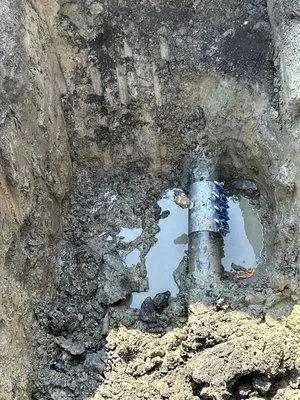
Advantage Plumbing & Heating is a trusted local plumbing service in Mount Morris, MI, dedicated to helping homeowners resolve common plumbing emergencies like laundry hose bursts and pipe corrosion. W...

Majestic Plumbing & Heating, LLC
Majestic Plumbing & Heating, LLC is a family-owned and operated business serving Caro and southeastern Michigan since 1985. Founded by husband-and-wife team Rick and Debra Lipan, the company brings a ...

Fenton Mechanical is your trusted local expert for home maintenance and plumbing solutions in Fenton, MI. We specialize in a wide range of services including appliance installation, handyman assembly,...
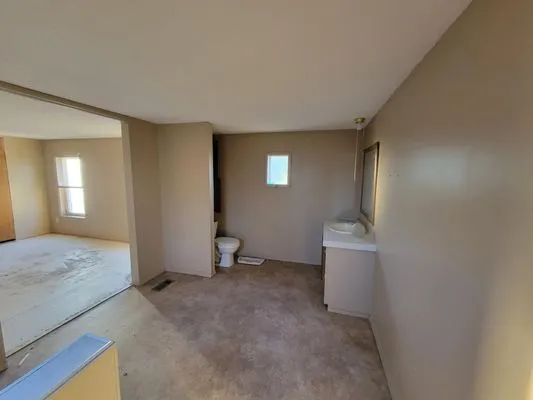
MS Renovations is a Grand Blanc-based home improvement company with four years of experience specializing in comprehensive mobile home renovations and general residential repairs. We handle everything...
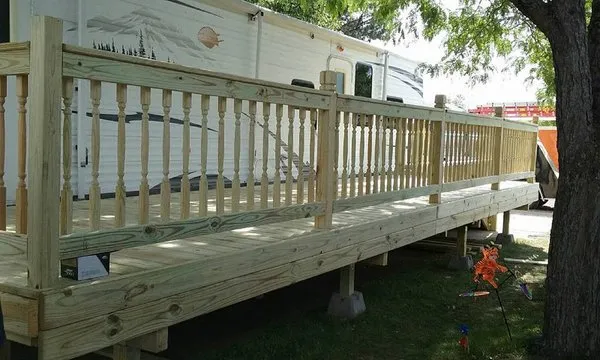
Founded by Mikel in December 2015, Above The Rest Construction brings a distinct approach to building in Burton. With over 18 years of hands-on industry experience, Mikel started the company to ensure...

Mid-State Sewer Service is a licensed and established plumbing resource for Freeland residents and businesses. Since 2019, we've provided reliable drain and sewer solutions, from routine maintenance t...
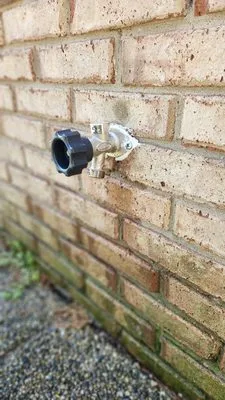
Scott Plumbing Systems is a trusted, locally-owned plumbing company serving Saginaw, MI, and the surrounding communities. With expertise in everything from routine faucet repairs to complex gas line a...
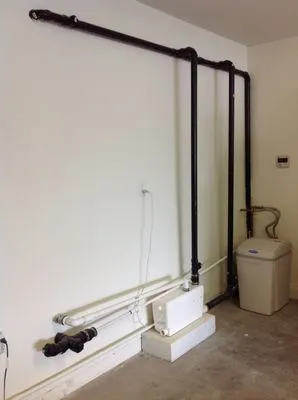
Mike's Handyman Services is a Bay City-owned and operated business, founded by Mike, a Navy veteran and journeyman plumber. His service in the Navy instilled a strong sense of discipline and integrity...
Estimated Plumbing Costs in Portsmouth, MI
Question Answers
How quickly can a plumber get to my house in Portsmouth?
Heading past Saginaw River on I-75, most service calls take 45-60 minutes from dispatch to arrival. This route covers the main access to Portsmouth Village while accounting for rural road conditions. Knowing this timing helps plan for urgent repairs during peak failure periods like spring thaw.
Why are so many Portsmouth homes having plumbing issues lately?
Copper plumbing installed around 1974 is now 52 years old. Homeowners in Portsmouth Village are seeing pinhole leaks and joint calcification as the pipes reach the end of their typical lifespan. This age-related wear often shows up as small water stains on ceilings or walls, especially in older sections of homes. Regular inspections can catch these issues before they become major emergencies.
What causes those tiny leaks in older copper pipes?
Pinhole leaks develop in 1974-era copper due to decades of water flow and mineral interaction. The copper thins at specific points, creating small perforations that worsen over time. Joint calcification also occurs where fittings meet, restricting water flow and increasing pressure on weakened sections. These failures typically appear in supply lines rather than drains.
What should I do before spring thaw to avoid plumbing problems?
Insulate exposed pipes before temperatures drop to 15°F, focusing on crawl spaces and exterior walls. Drain outdoor spigots completely and shut off their supply valves. Keep cabinet doors open to allow warm air circulation around pipes during cold snaps. These steps prevent freeze damage that often manifests during rapid spring thaw in our snow belt region.
Does Lake Huron water damage my water heater?
Hard water from Lake Huron causes scale buildup inside water heaters and fixtures. Mineral deposits accumulate on heating elements and tank interiors, reducing efficiency and lifespan. Anode rods deteriorate faster in these conditions, requiring more frequent replacement. Installing a water softener can significantly extend appliance life in Portsmouth homes.
Who handles permits for plumbing work in Bay County?
I coordinate directly with the Bay County Building Department for all required permits. My Michigan Department of Licensing and Regulatory Affairs credentials ensure work meets state codes. Homeowners avoid the paperwork and compliance details while knowing their project follows local regulations. This approach handles the red tape so you can focus on the finished result.
Are septic systems different to maintain in rural Portsmouth?
Rural Portsmouth properties with septic systems require specific maintenance compared to municipal sewer connections. Well water systems need regular testing for hardness and contaminants. Septic tanks should be pumped every 3-5 years depending on household size. Understanding these rural system differences prevents costly emergencies that urban plumbing approaches might miss.
Why does my basement drain slowly during heavy rain?
Low-lying terrain near the Saginaw River affects drainage patterns across Portsmouth. Water tables rise during wet periods, putting hydrostatic pressure on foundation drains and main sewer lines. This can cause backflow or slow drainage in basements. Proper grading away from foundations and functional sump pumps help manage these terrain-related challenges.
