Top Emergency Plumbers in Pine River, MI, 48801 | Compare & Call

There are 50 plumbing companies server in Pine River MI
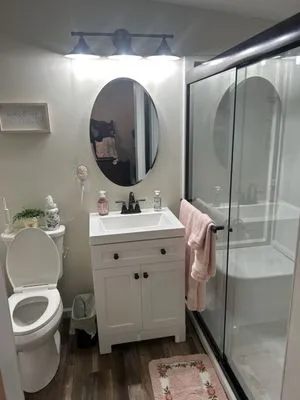
Fix It All Plumbing is your trusted local plumbing expert serving Reed City, MI and surrounding areas. We provide comprehensive plumbing services including bathtub, drain, faucet, garbage disposal, ga...

West Michigan Drain Solutions is your local, licensed sewer and drain service in Hart, MI, specializing in rehabilitation and maintenance. Founded on a legacy of reliable service—formerly operating as...
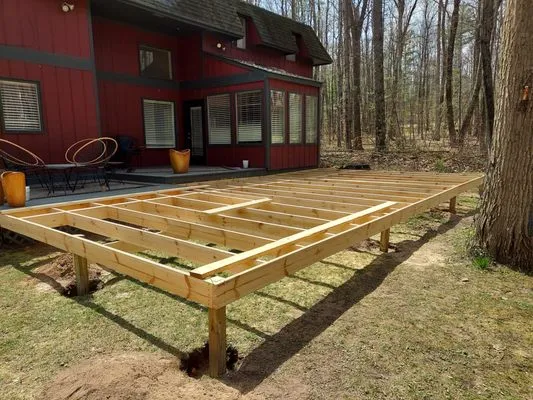
Northern Handyman Services is a trusted local provider in Big Rapids, MI, offering comprehensive home maintenance and repair solutions. We specialize in plumbing services like faucet installation, sho...
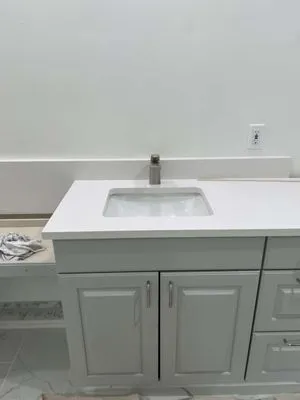
Bentley Plumbing is a family-owned plumbing service in Reed City, MI, with over 20 years of combined experience. Founded by a Master Plumber who now works alongside his two sons as apprentices, we bri...
Mr. Rooter Plumbing of Mid-Michigan
Mr. Rooter Plumbing of Mid-Michigan is a locally owned and operated plumbing service in Mount Pleasant, MI, founded by Brad and Amanda. With over 20 years of experience in the service industry, they'v...
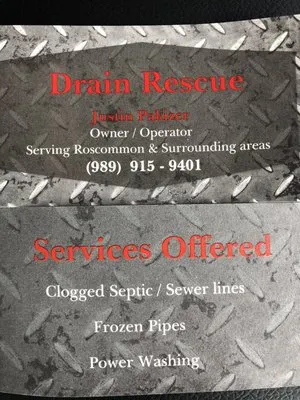
Drain Rescue in Roscommon, MI, is a locally owned and operated plumbing service dedicated to solving your toughest drain and pipe problems. Since our establishment in 2017, our core mission has been t...

Drewski Handyman Services is a Cadillac-based business founded on a lifelong passion for craftsmanship and community service. Owner Drew's journey began at age five, learning the trade from his father...
Mr. Rooter Plumbing of Traverse City
Mr. Rooter Plumbing of Traverse City serves Kalkaska, MI, and the surrounding area with reliable plumbing solutions. With over 50 years of industry experience since the original Mr. Rooter was founded...

Douglas Water Conditioning
Since 1968, Douglas Water Conditioning has been a trusted water treatment resource for Michigan, with a dedicated team in Traverse City ready to serve you. As a Licensed, Bonded, and Insured company w...

Roto Rooter of Northern Michigan
Roto Rooter of Northern Michigan has been serving Traverse City and surrounding communities since 1935, bringing reliable plumbing solutions to local homes and businesses. As part of the Roto-Rooter n...
Estimated Plumbing Costs in Pine River, MI
Frequently Asked Questions
How long do copper pipes last in Pine River homes?
Copper pipes installed around 1981 are now 45 years old. At this age, Pine River Township homeowners often notice blue-green stains around fixtures, reduced water pressure, or small leaks appearing in walls. The copper has endured decades of hard water minerals and temperature fluctuations, which gradually thin the pipe walls. Regular inspections can catch these issues before they become major problems.
How quickly can a plumber reach my home in Pine River Township?
Heading past Pine River Township Hall on US-10, most calls take 45-60 minutes for dispatch. The route follows US-10 through the township, with clear access to residential areas. This timing accounts for rural road conditions and ensures we arrive prepared with the right tools for your specific issue.
Could the flat terrain around Pine River Township affect my drainage?
The plain terrain near Pine River Township Hall creates slow drainage that stresses main sewer lines. Water pools around foundations during heavy rain or snowmelt, increasing hydrostatic pressure on underground pipes. Proper grading away from your home and installing French drains prevents soil saturation that leads to pipe shifting or joint separation.
Who handles permits for plumbing work in Gratiot County?
I coordinate directly with the Gratiot County Building Department for all required permits. My Michigan Department of Licensing and Regulatory Affairs credentials ensure work meets state codes. This means you don't deal with red tape—I handle inspections, paperwork, and compliance so your project proceeds smoothly and legally.
How does rural living in Pine River Township impact my septic and well systems?
Rural properties with private wells and septic systems require regular maintenance to avoid cross-contamination. Well pumps need checking for pressure consistency, while septic tanks should be pumped every 3-5 years. Unlike municipal systems, you're responsible for the entire water cycle from well to drain field, making proactive care essential.
Why do my 1980s copper pipes keep springing pinhole leaks?
Copper pipes from 1981 often develop pinhole leaks due to decades of mineral buildup and electrolytic corrosion. The hard water in Pine River accelerates this process, creating weak spots where the pipe wall thins. These leaks typically appear at joints or where pipes contact dissimilar metals. Replacing affected sections with proper dielectric unions prevents recurrence.
Does hard water from my private well damage plumbing fixtures?
Hard water from private wells causes scale buildup that reduces water heater efficiency by 20-30% over time. Minerals accumulate inside pipes and on fixture surfaces, leading to clogged aerators and reduced flow. Installing a whole-house water softener protects your water heater, extends appliance lifespan, and maintains consistent water pressure throughout your Pine River home.
What should I do to prevent frozen pipes during Pine River's cold winters?
With lows hitting 14°F, insulate exposed pipes in crawl spaces and along exterior walls before winter. During spring thaw, check for leaks where freezing may have caused expansion cracks. Keep cabinet doors open to allow warm air circulation around plumbing. These steps minimize freeze damage common in our Snow Belt climate.
