Top Emergency Plumbers in Park Township, MI, 49424 | Compare & Call

There are 99 plumbing companies server in Park Township MI

Cascade Plumbing is a family-owned Grand Rapids plumbing company with over 25 years of dedicated service to Cascade and the wider Kent County area. Founded by Jon, a proud local father and community m...

Grapids Home Services
For over two decades, Grapids Home Services has been a trusted name in Grand Rapids, founded by Nathan Engelsma in 1999. With Nate's extensive experience and a team of NATE and Nexstar certified techn...

Service Professor
Service Professor has been providing reliable electrical, plumbing, heating, and air conditioning services to West Michigan homes since 1978. Based in Grand Rapids, our team of over 20 professional te...

All-Flo Plumbing is a trusted, family-owned plumbing company that has been reliably serving the Grand Rapids community since 1993. Our licensed technicians provide a full spectrum of services, from ro...
Butler's Rooter is a locally owned and operated plumbing service in Kentwood, MI, where the owner personally handles every job with over 20 years of hands-on experience. As both owner and service tech...

Sullivan Heating Cooling Plumbing
Sullivan Heating Cooling Plumbing is a trusted, full-service provider for Kentwood, MI, homes and businesses. We specialize in expert HVAC and plumbing solutions, from system installations and repairs...
Great Lakes Plumbing Services LLC, also known as The Plumber Is Here, is a trusted family-owned plumbing company serving Holland, MI, and the greater West Michigan area since 2000. Founded by local re...
Heyboer Plumbing is a trusted, locally-owned plumbing service in Rockford, MI, dedicated to keeping homes and businesses running smoothly. We specialize in comprehensive plumbing solutions including d...
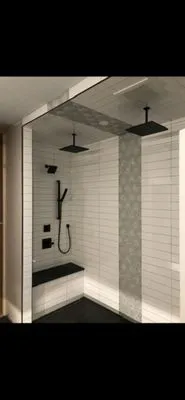
Bredeweg Plumbing has been serving West Olive, MI, and the surrounding communities since 2013, bringing over 30 years of professional plumbing experience to every job. As a licensed and insured plumbi...
Moore Mechanical
Since 1996, Moore Mechanical has been a trusted, licensed provider of HVAC and plumbing services for Grand Rapids homes and businesses. Our experienced, certified technicians are committed to ensuring...
Estimated Plumbing Costs in Park Township, MI
Frequently Asked Questions
Could the sloping land near Holland State Park cause drainage problems?
Coastal terrain with gradual slopes can redirect groundwater toward foundation walls during heavy rains. This puts lateral pressure on your main sewer line, potentially causing joint separation or root intrusion at the connection point. Proper grading around your home's foundation helps, but older properties may need French drains or sump pumps to manage subsurface water movement effectively.
My Waukazoo Woods home was built around 1983—should I worry about the plumbing?
Copper pipes installed in 1983 are now 43 years old, which is when many systems begin showing age-related issues. Homeowners in this neighborhood often notice increased sediment in their water, reduced flow from faucets, and occasional discoloration. These signs typically indicate internal corrosion and mineral buildup that accumulates over decades. Addressing these early can prevent more serious failures down the line.
How quickly can a plumber reach my home in Park Township?
Heading past Holland State Park on US-31 puts me about 20-30 minutes from most addresses in the township. That route avoids downtown Holland traffic while keeping me accessible to Waukazoo Woods and surrounding areas. I plan dispatch around peak travel times to maintain that window. You'll get an accurate ETA when you call.
Does Lake Michigan water affect my home's plumbing system?
Municipal water drawn from Lake Michigan contains high mineral content that creates hard water conditions. This leads to scale buildup inside water heaters, reducing efficiency by up to 30% over time. Fixtures develop reduced flow as mineral deposits accumulate in aerators and valve seats. Installing a whole-house water softener can significantly extend the life of your plumbing components.
What should I do to prepare my plumbing for another Snow Belt winter?
Before temperatures drop to 18°F, disconnect and drain all outdoor hoses. Insulate pipes in unheated spaces like crawl spaces and garages using foam sleeves. Keep cabinet doors open under sinks to allow warm air circulation during cold snaps. During spring thaw, check for new drips or moisture as frozen pipes thaw—that's when many hidden leaks reveal themselves.
Who handles permits for plumbing work in Park Township?
The Park Township Building Department oversees local permits, while the Michigan Department of Licensing and Regulatory Affairs certifies all licensed plumbers. I manage both sets of requirements for any job requiring permits. This includes submitting plans, scheduling inspections, and ensuring all work meets current codes. You won't need to navigate the paperwork yourself.
Why do my 1980s copper pipes keep springing pinhole leaks?
Copper pipes from that era often develop pinhole leaks due to a combination of age and local water chemistry. After 40+ years, the protective lining inside pipes wears thin, allowing corrosion to penetrate the metal. In Park Township, hard water accelerates this process by creating microscopic weak spots. These leaks typically appear first near joints or in sections with turbulent water flow.
As a suburban homeowner, what plumbing issues should I watch for?
Municipal water pressure in Park Township typically runs between 40-60 PSI, which is adequate but can stress older plumbing over time. Tree roots from mature landscaping often infiltrate sewer laterals, causing slow drains or backups. Check your main cleanout annually for root growth. Also monitor water pressure fluctuations—sudden changes might indicate a developing issue in the main line.
