Top Emergency Plumbers in Orleans, MI, 48809 | Compare & Call

There are 24 plumbing companies server in Orleans MI
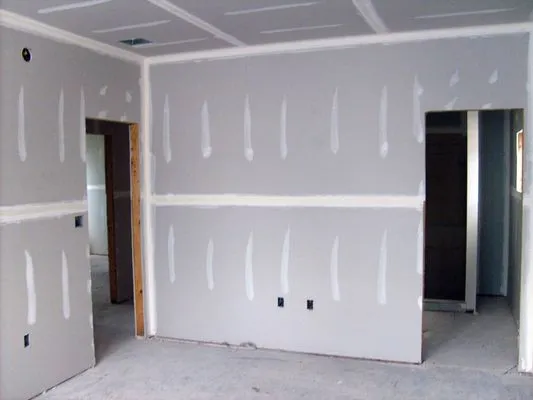
Integrity Handyman Services of West Michigan
Integrity Handyman Services of West Michigan is a female-owned business based in Grand Rapids, dedicated to providing reliable home maintenance and repair solutions across West Michigan. We approach e...

Service Professor
Service Professor has been providing reliable electrical, plumbing, heating, and air conditioning services to West Michigan homes since 1978. Based in Grand Rapids, our team of over 20 professional te...

Sullivan Heating Cooling Plumbing
Sullivan Heating Cooling Plumbing is a trusted, full-service provider for Kentwood, MI, homes and businesses. We specialize in expert HVAC and plumbing solutions, from system installations and repairs...
Heyboer Plumbing is a trusted, locally-owned plumbing service in Rockford, MI, dedicated to keeping homes and businesses running smoothly. We specialize in comprehensive plumbing solutions including d...
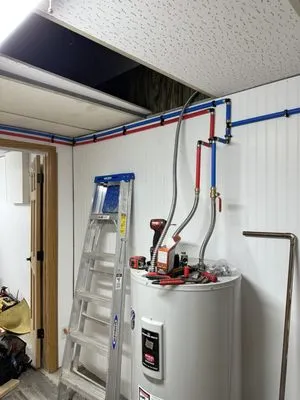
Advantage Plumbing & Drain
Founded in 2004 by licensed Master Plumber Ryan, Advantage Plumbing & Drain serves Hastings, MI, with comprehensive residential and commercial plumbing solutions. As a certified plumbing contractor an...
Moore Mechanical
Since 1996, Moore Mechanical has been a trusted, licensed provider of HVAC and plumbing services for Grand Rapids homes and businesses. Our experienced, certified technicians are committed to ensuring...
Re-Bath in Grand Rapids, MI specializes in bathroom remodeling services for local homeowners. Founded in 1979, we introduced "The Refreshing Remodel" approach, handling every aspect of bathroom update...
Top Choice Plumbing
Top Choice Plumbing is a trusted, full-service plumbing company serving Grand Rapids, MI, and surrounding areas. We specialize in comprehensive plumbing solutions, from routine repairs to complex inst...
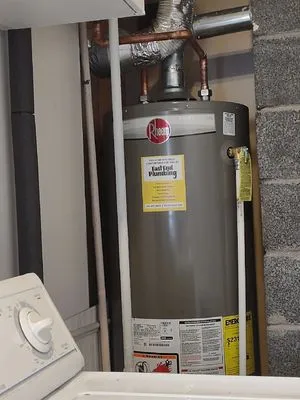
East End Plumbing is a trusted local plumbing company serving Kentwood and the surrounding communities. We specialize in a wide range of residential plumbing services, from emergency repairs to full i...

Since 1994, Canfield Plumbing & Heating has been a trusted local fixture in Lowell, founded by Greg and Deb Canfield. Starting as a one-person operation, the family-owned business has grown to a dedic...
Estimated Plumbing Costs in Orleans, MI
Question Answers
Does having a private well in Orleans cause plumbing problems?
Private wells here pull from groundwater with high mineral content, which means hard water is a given. That scale doesn’t just spot your glassware; it builds up inside your water heater tank and on faucet cartridges. Over years, this insulates heating elements, forcing them to work harder and fail sooner, and it restricts water flow at fixtures. Installing and maintaining a whole-house water softener is considered essential hardware around here, not a luxury.
How long does it take for a plumber to get to Orleans from Ionia?
From my shop near the Flat River, I take M-44 east directly into Orleans Village. The route is straightforward, passing through open farmland with minimal traffic. Barring any road construction or severe weather, that drive typically takes 45 to 60 minutes door-to-door. I factor that transit time into my schedule so you get a realistic arrival window when you call.
Do I need a permit to replace my water heater in Ionia County?
Yes, the Ionia County Building Department requires permits for water heater replacements to ensure proper venting and pressure relief. As a Master Plumber licensed by the Michigan Department of Licensing and Regulatory Affairs, I pull those permits as part of the job. I handle that red tape, schedule the inspections, and make sure the installation meets all current code so you don’t have to navigate it yourself.
What should I do to my plumbing before spring in Orleans?
The spring thaw here creates a specific risk. As the ground saturates, it can shift and put new stress on your main water line where it enters the foundation. My pro-tip for this temperate climate is to visually inspect your main shutoff valve and the exposed piping around it every February. Look for any new signs of moisture or minor seepage. Catching a weeping joint before the full thaw can prevent a basement flood when the ground settles.
Why are my copper pipes from the 80s suddenly leaking?
Copper pipe from the mid-80s often suffers from a specific failure mode at this stage. The solder used in the joints, which contains lead in some older homes, can corrode differently than the pipe itself. Combined with 42 years of water hammer and thermal expansion, this creates stress points. You’ll most frequently see leaks spring at elbow joints and tee fittings, not necessarily along straight pipe runs.
My plumbing in Orleans seems to be failing all at once, what's going on?
Homes built around 1984 in Orleans Village are seeing a predictable wave of plumbing issues right now. The copper piping installed back then is 42 years old in 2026. At this age, the interior walls of the pipes have thinned from decades of water flow and mineral interaction. You’ll notice pinhole leaks appearing, especially at soldered joints, and a general drop in water pressure throughout the house. It’s not a coincidence; it’s the system reaching its expected service life.
Could the flat land around the Flat River affect my sewer line?
The relatively plain terrain means drainage relies more on proper pipe slope than natural grade. If a sewer lateral from your house to the septic tank wasn’t pitched correctly during installation—a common issue in older homes—solids can settle and cause blockages. Furthermore, the consistent, moisture-retentive soil common near the river can accelerate the corrosion of older cast iron or clay sewer lines.
Is rural plumbing in Orleans different from city plumbing?
Absolutely. Working on a rural home in Orleans Village means every system is self-contained. There’s no municipal water pressure to mask a failing well pump, and no city sewer to handle occasional overloads. Your septic tank and drain field are critical, private infrastructure. Repairs often require coordinating between the well system, the pressure tank, and the septic system, as they all work together. It requires a different diagnostic approach than in a city.
