Top Emergency Plumbers in Nelson, MI, 49319 | Compare & Call

There are 236 plumbing companies server in Nelson MI

WaterWork Plumbing has been serving Ferndale and Metro Detroit since 2006, founded by licensed Master Plumber David Greylen. Starting with a single truck, the company has grown into a team of over twe...

Pypes Plumbing has served Detroit and Oakland County for years, providing reliable plumbing solutions with a focus on lasting quality. Our team handles everything from routine repairs to complex insta...

TNT Plumbing is a licensed plumbing company serving Detroit and surrounding communities since 1985. With over 20 years of experience, we provide reliable plumbing services for both residential and com...
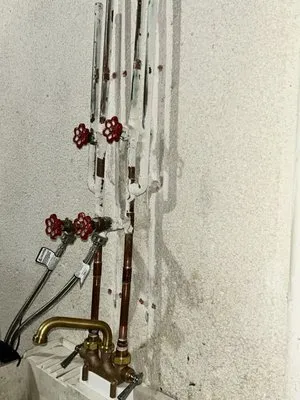
A Absolute Plumbing & Sewer Service has been the trusted, family-owned plumbing company for Clinton Twp homeowners since 1990. We specialize in residential plumbing repair and replacement, offering cl...
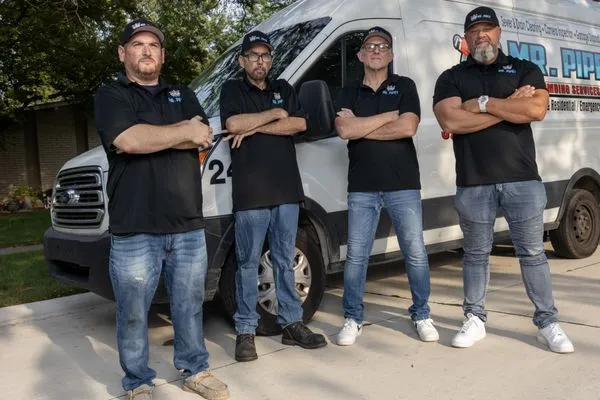
Mr. Pipey Plumbing is a Detroit-based plumbing service that specializes in resolving drain and sewer problems with effective methods. Our team uses snaking to clear blockages, hydrojetting to clean pi...
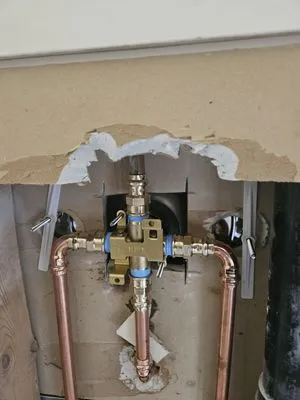
QMB GROUP is a Detroit plumbing company founded on a legacy of service and skill. Owner Mike's career began right after high school when he trained as a plumber in the U.S. Navy. After his honorable s...

Buckhave Tom Plumbing is a trusted local plumbing service dedicated to serving homeowners in Rochester Hills, MI. With deep roots in the community, we understand the specific challenges posed by the a...
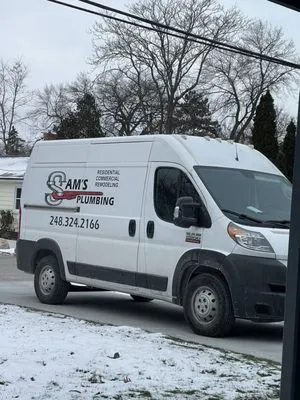
Sam's Plumbing is a second-generation, family-owned plumbing company serving West Bloomfield, MI, since 1985. With over 30 years of experience, we provide comprehensive plumbing services for both resi...

Main Drain Service is a family-owned plumbing company serving Columbiaville, MI, with over a decade of experience in drain maintenance across metro Detroit. Founded by a lifelong handyman and former p...
Nelson Bros. Sewer & Plumbing
Nelson Bros. Sewer & Plumbing is a fourth-generation, family-owned business proudly serving Royal Oak and Southeastern Michigan since 1925. Founded by two Danish brothers with a commitment to quality ...
Estimated Plumbing Costs in Nelson, MI
Q&A
What causes those tiny pinhole leaks in copper pipes?
Pinhole leaks in 1980s-era copper are often due to a process called pitting corrosion. Our well water's specific mineral content, combined with decades of flow, can create localized spots where the pipe wall degrades. The leak starts microscopically, but constant pressure allows it to perforate. You'll typically find these on horizontal pipe runs or at fittings where water turbulence is higher.
Is my septic system connected to my home's plumbing issues?
Absolutely. In a rural setting with a private well and septic system, everything is interconnected. A failing drain field can cause slow drains in the house, and a malfunctioning well pump or pressure tank will affect water volume throughout the home. Diagnosing an indoor symptom often requires checking the entire system, from the well cap to the septic field, not just the fixtures.
Could the flat land around here cause plumbing drainage problems?
The relatively plain terrain means drainage relies on proper pipe slope and soil percolation. If the main sewer line from your home to the septic tank has settled or lost its grade, waste water can stagnate and cause recurrent clogs. Soil compaction over decades can also put silent, steady stress on buried lines, leading to bellies or cracks that aren't immediately apparent until a backup happens.
How long will it take for a plumber to get to my house in Nelson?
A local dispatch from my shop heads past Nelson Township Hall to access US-131, which gets me through the main corridors efficiently. From there, it's navigating the township roads. For most calls in the township, you can expect a service truck at your door within 45 to 60 minutes of the call, barring major weather delays on those rural routes.
Do I need a permit to replace my water heater in Kent County?
Most plumbing replacements, including water heaters, require a permit from the Kent County Building Department. As a Master Plumber licensed by the Michigan Department of Licensing and Regulatory Affairs, I pull those permits, schedule the inspections, and ensure the work meets all current code. Handling that red tape is part of the job, so you don't have to navigate the paperwork yourself.
Why am I suddenly getting more plumbing leaks in my Nelson home?
Homes in Nelson Township Central built around 1987 now have 39-year-old copper pipes. At this age, the protective interior oxide layer can thin out, leaving the copper more reactive to water chemistry. You may notice an increase in small, persistent leaks or a blue-green patina on pipe surfaces, especially near joints. This is a predictable lifespan issue for the original plumbing in the area.
How do I prevent frozen pipes during a Nelson winter?
Insulate pipes in unheated spaces like crawl spaces, but the real pro-tip is to maintain a trickle of water through the faucet furthest from your well pressure tank when temperatures dip near 15°F. This keeps water moving, making it harder to freeze. Pay special attention in early spring during rapid thaw-freeze cycles; that's when many bursts occur as ice blockage pressure builds.
Does hard water from my private well damage my water heater?
Yes, scale buildup from hard water is a primary cause of water heater failure here. Minerals precipitate out and coat the heating elements in electric units or settle at the bottom of gas tanks, reducing efficiency and causing overheating. For tankless units, scale can clog the heat exchanger. An annual flush and a properly sized whole-house softener are critical investments to extend the appliance's life.
