Top Emergency Plumbers in Moore Township, MI, 48471 | Compare & Call

There are 27 plumbing companies server in Moore Township MI

Main Drain Service is a family-owned plumbing company serving Columbiaville, MI, with over a decade of experience in drain maintenance across metro Detroit. Founded by a lifelong handyman and former p...
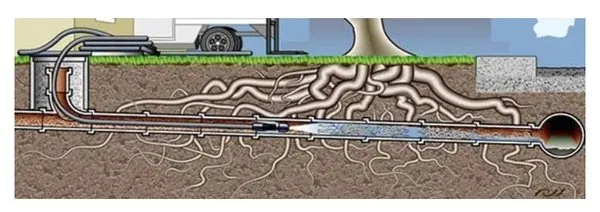
Jett It Sewer and Drain Cleaning is your local Lexington, MI, specialist for clearing stubborn blockages and maintaining your home's essential plumbing systems. We specialize in hydro-jetting, a power...
Mr. Rooter Plumbing of Detroit
Mr. Rooter Plumbing of Detroit is a locally owned and operated plumbing service proudly serving Macomb, MI, and the surrounding Detroit area. Owner Mike, a dedicated service business enthusiast with m...

Clear Flow Drain Cleaning is a family-owned plumbing service based in Sterling Heights, MI, dedicated to providing reliable solutions for local homeowners. With 24/7 emergency availability, our experi...
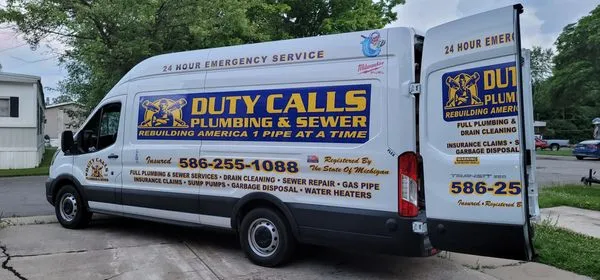
Duty Calls Plumbing and Sewer is a locally owned and operated plumbing company serving homeowners and businesses in Oxford, MI, and across Wayne, Macomb, and Oakland Counties. We provide a full spectr...
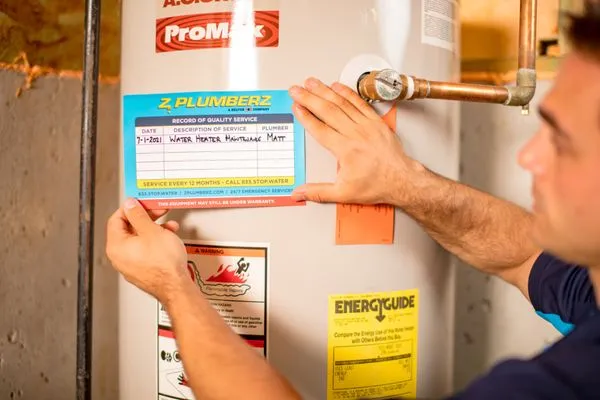
Z Plumberz
Z Plumberz is your comprehensive plumbing solution in Auburn Hills, MI, offering a full range of services from bathtub installation to sewer repair. We are a local, family-owned team committed to deli...
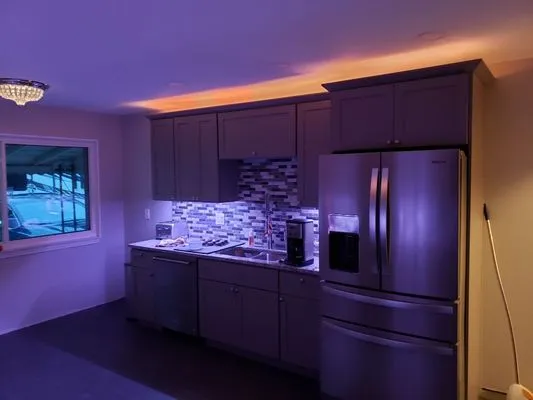
NWT Services is a family-owned electrical and home improvement company serving Eastpointe, MI, and surrounding areas. Founded by Nick, who discovered his passion for skilled trades through a high scho...
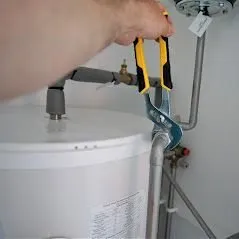
America’s Choice Sewer and Drain has been serving Emmett and the surrounding communities as a trusted local plumbing provider. We specialize in comprehensive solutions for both homes and businesses, f...
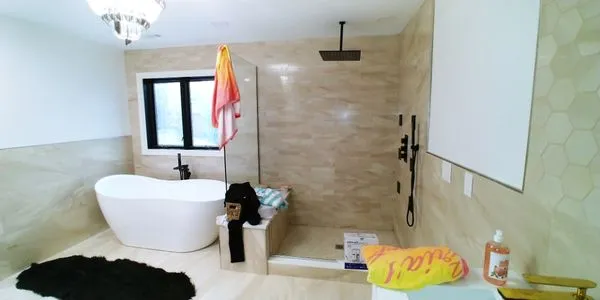
Founded in 2015 by a master plumber with over two decades of experience, Mouchet Contracting Services brings reliable plumbing solutions to Waterford Township, MI. Owner-led since the beginning, we dr...
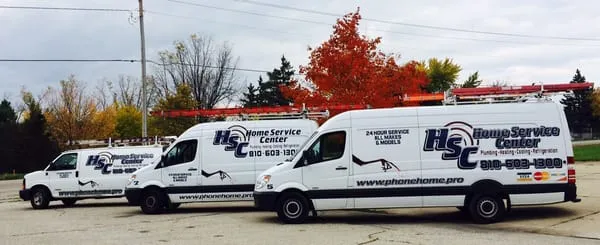
Home Service Center
Since opening its doors in 2005, HSC Home Service Center has been the trusted local provider of heating, cooling, plumbing, and refrigeration services for homeowners and businesses in Burton, Michigan...
Estimated Plumbing Costs in Moore Township, MI
FAQs
Who handles permits for plumbing work in Sanilac County?
I coordinate directly with the Sanilac County Building Department for all required permits and inspections. My Michigan Department of Licensing and Regulatory Affairs credentials ensure work meets state code requirements. This includes septic system approvals, well modifications, and major repiping projects. Handling the red tape means you avoid delays and compliance issues.
Why are my 1970s copper pipes suddenly developing leaks?
Copper pipes from that era often experience pinhole leaks due to electrolytic corrosion and joint calcification. The solder joints weaken over decades, especially with hard water conditions common here. These failures typically start at elbows and tees where water turbulence accelerates wear. Replacing affected sections with dielectric unions can prevent future galvanic corrosion.
How quickly can a plumber reach my home in Moore Township?
Heading past Sanilac County Fairgrounds on M-19, most service calls take 45-60 minutes depending on your exact location. That dispatch route covers the main residential areas while allowing for rural road variations. We factor in local traffic patterns and weather conditions to provide accurate arrival windows.
How does rural living in Moore Township impact my plumbing system?
Private wells and septic systems require different maintenance than municipal services. Well pumps need regular pressure checks and sediment filter changes, while septic tanks require scheduled pumping every 3-5 years. The lack of municipal water pressure means we often install booster pumps for consistent flow. Understanding these systems helps prevent contamination and ensures reliable water access.
How long do copper pipes typically last in older Moore Township homes?
Copper pipes installed around 1979 are now 47 years old. Homeowners in Moore Township Center are seeing increased pinhole leaks and joint failures as the metal reaches the end of its service life. This age often brings green corrosion stains at fittings and reduced water pressure from internal scale buildup. Regular inspections can catch these issues before they become major emergencies.
Does hard well water damage plumbing fixtures in Moore Township?
Hard water from private wells causes significant scale buildup inside water heaters and fixtures. Mineral deposits reduce heating efficiency and restrict water flow through aerators and showerheads. Over time, this scaling can lead to premature failure of water heater elements and valve seats. Installing a whole-house water softener protects your investment and maintains performance.
Could the flat terrain around Sanilac County Fairgrounds affect my drainage?
The plain terrain lacks natural slope for proper drainage, which can lead to water pooling near foundations. This puts constant hydrostatic pressure on your main sewer line and can cause soil saturation around the foundation. Proper grading away from the house and French drain installation prevent water from compromising underground pipes. We assess soil conditions during every excavation to account for these factors.
What should I do to prepare my plumbing for Michigan spring thaws?
Before temperatures hit 15°F lows and spring thaw begins, insulate exposed pipes in crawl spaces and basements. Check outdoor faucets for proper drainage to prevent freeze damage. Monitor your well pump pressure during rapid thaw cycles when ground shifts can stress connections. These proactive steps help avoid the burst pipes we commonly see during seasonal transitions.
