Top Emergency Plumbers in Millbrook Township, MI, 49310 | Compare & Call

Millbrook Township Emergency Plumbers
Phone : (888) 860-0649
There are 37 plumbing companies server in Millbrook Township MI

Cascade Plumbing is a family-owned Grand Rapids plumbing company with over 25 years of dedicated service to Cascade and the wider Kent County area. Founded by Jon, a proud local father and community m...
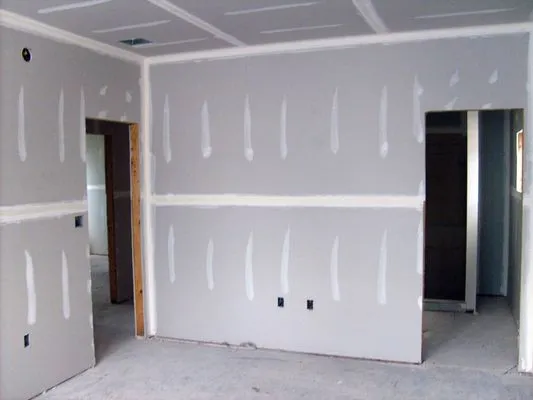
Integrity Handyman Services of West Michigan
Integrity Handyman Services of West Michigan is a female-owned business based in Grand Rapids, dedicated to providing reliable home maintenance and repair solutions across West Michigan. We approach e...
Heyboer Plumbing is a trusted, locally-owned plumbing service in Rockford, MI, dedicated to keeping homes and businesses running smoothly. We specialize in comprehensive plumbing solutions including d...

Archimedes Plumbing
Archimedes Plumbing LLC is a Howard City-based plumbing service dedicated to providing accurate and timely solutions for our local community and surrounding areas. With over 17 years of experience in ...
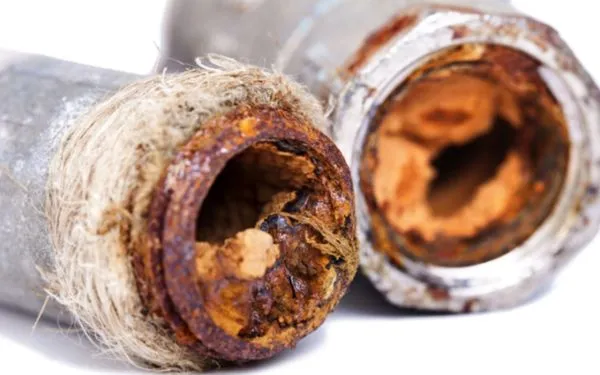
Top Choice Plumbing
Top Choice Plumbing is a trusted, full-service plumbing company serving Grand Rapids, MI, and surrounding areas. We specialize in comprehensive plumbing solutions, from routine repairs to complex inst...
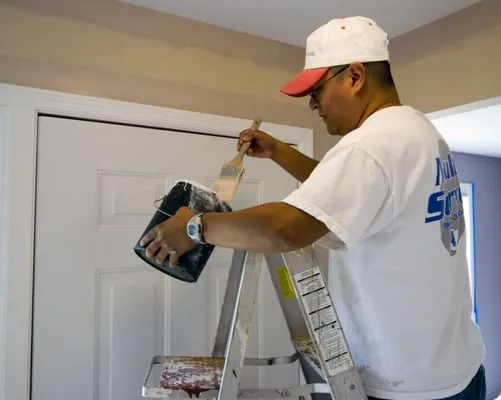
Multi Serve Restoration & Repair
Multi Serve Restoration & Repair is a Grand Rapids-based contractor with deep roots in Michigan, having served the community since 1997. We started by providing essential residential and commercial co...
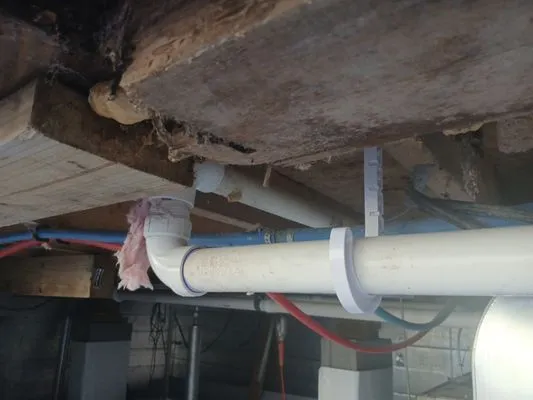
Lakeshore Plumbing & Heating is a trusted local plumbing service based in Shelby, MI, dedicated to helping homeowners maintain safe and efficient plumbing systems. We specialize in thorough plumbing i...

It's Fixed is a trusted handyman and home repair service based in Grand Rapids, MI, dedicated to solving household problems efficiently. We specialize in a wide range of services including appliance i...
Sump Pump Pros is your trusted, local plumbing expert serving Lowell, MI. We specialize in a full range of residential plumbing services, from routine faucet repairs and garbage disposal installations...
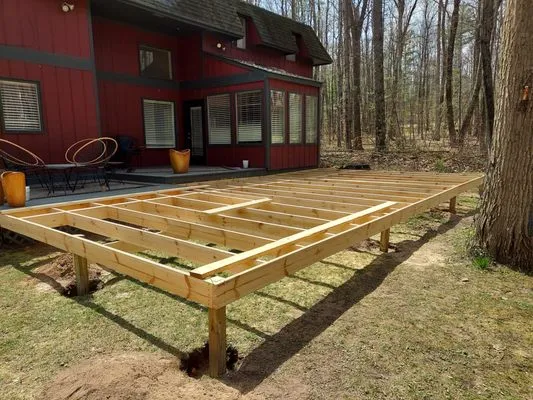
Northern Handyman Services is a trusted local provider in Big Rapids, MI, offering comprehensive home maintenance and repair solutions. We specialize in plumbing services like faucet installation, sho...
Estimated Plumbing Costs in Millbrook Township, MI
Q&A
How quickly can a plumber reach my home near Winfield Lake?
Heading past Winfield Lake on US-131, our dispatch route typically takes 45-60 minutes depending on traffic and weather conditions. We monitor road reports during snow season to maintain that window. This covers most of Millbrook Township, keeping response predictable for emergencies like burst pipes or water heater failures.
Are septic and well systems common issues for rural homes here?
Most Millbrook Township homes rely on private septic and well systems, which require different maintenance than municipal services. Septic tank backups often indicate drain field issues, while well pump failures can leave homes without water entirely. These systems need regular inspection since there's no city infrastructure to fall back on.
Who handles permits for plumbing work in Mecosta County?
I coordinate directly with the Mecosta County Building Department for all required permits. My Michigan Department of Licensing and Regulatory Affairs credentials mean I handle the red tape so homeowners don't have to navigate regulations themselves. This includes septic system approvals and well connection inspections that rural properties often need.
Why do my copper pipes keep springing leaks in this older home?
Copper pipes from 1981 often develop pinhole leaks due to decades of internal corrosion and scale buildup. The solder joints can also calcify, creating weak points where water pressure causes failures. This isn't random—it's a predictable aging process where the pipe material simply wears thin after 45 years of service.
My Millbrook Village home was built around 1981—should I be worried about my plumbing?
Copper pipes installed in 1981 are now 45 years old. At this age, homeowners in Millbrook Village often notice pinhole leaks developing in their hot water lines, especially behind walls or under floors. The copper has experienced decades of water flow and mineral interaction, which thins the pipe walls over time. Many residents call when they see small water stains on ceilings or hear dripping sounds they can't locate.
Does hard water from our private well damage plumbing fixtures?
Hard water causes significant scale buildup inside water heaters, reducing efficiency and shortening their lifespan. Fixtures like showerheads and faucet aerators clog with mineral deposits, decreasing water pressure over time. Without municipal water treatment, well water here accelerates wear on appliances and requires more frequent maintenance.
What should I do before spring thaw to prevent plumbing problems?
Before temperatures rise above freezing, check all exposed pipes in crawl spaces and basements for insulation gaps. Spring thaw can reveal leaks that developed during winter freeze cycles. A pro-tip: shut off and drain outdoor faucets before the first hard freeze, then inspect them after thaw for cracks or seepage.
Could the flat land around here affect my home's drainage system?
Plain terrain near Winfield Lake means water doesn't drain away quickly from foundation areas. This puts constant hydrostatic pressure on your main sewer line, which can lead to joint separation or root intrusion over time. Proper grading around the home's perimeter is essential to prevent water from pooling against basement walls.
