Top Emergency Plumbers in Martiny, MI, 49305 | Compare & Call

There are 33 plumbing companies server in Martiny MI

Cascade Plumbing is a family-owned Grand Rapids plumbing company with over 25 years of dedicated service to Cascade and the wider Kent County area. Founded by Jon, a proud local father and community m...
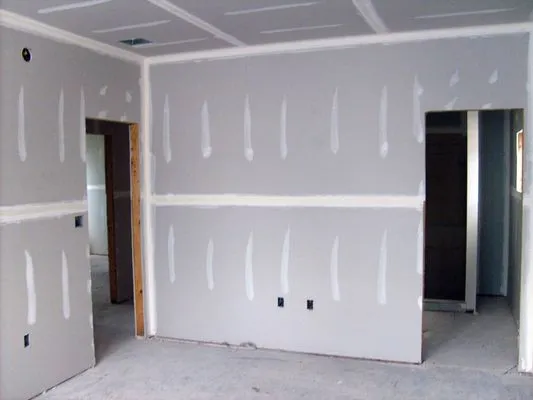
Integrity Handyman Services of West Michigan
Integrity Handyman Services of West Michigan is a female-owned business based in Grand Rapids, dedicated to providing reliable home maintenance and repair solutions across West Michigan. We approach e...
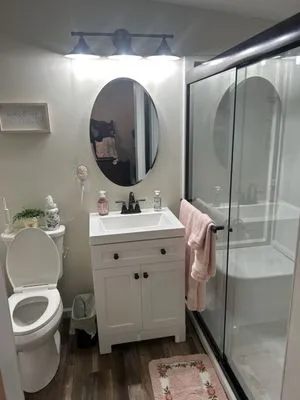
Fix It All Plumbing is your trusted local plumbing expert serving Reed City, MI and surrounding areas. We provide comprehensive plumbing services including bathtub, drain, faucet, garbage disposal, ga...
Heyboer Plumbing is a trusted, locally-owned plumbing service in Rockford, MI, dedicated to keeping homes and businesses running smoothly. We specialize in comprehensive plumbing solutions including d...

Archimedes Plumbing
Archimedes Plumbing LLC is a Howard City-based plumbing service dedicated to providing accurate and timely solutions for our local community and surrounding areas. With over 17 years of experience in ...

Pierson Plumbing & Drain Service is your trusted, local plumbing expert serving Cedar Springs and the surrounding area. We specialize in providing prompt, reliable solutions for the common plumbing ch...
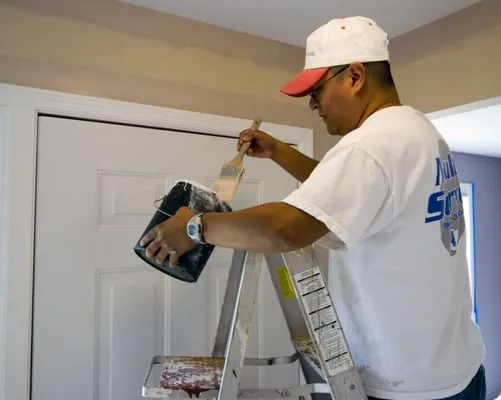
Multi Serve Restoration & Repair
Multi Serve Restoration & Repair is a Grand Rapids-based contractor with deep roots in Michigan, having served the community since 1997. We started by providing essential residential and commercial co...

It's Fixed is a trusted handyman and home repair service based in Grand Rapids, MI, dedicated to solving household problems efficiently. We specialize in a wide range of services including appliance i...
Sump Pump Pros is your trusted, local plumbing expert serving Lowell, MI. We specialize in a full range of residential plumbing services, from routine faucet repairs and garbage disposal installations...
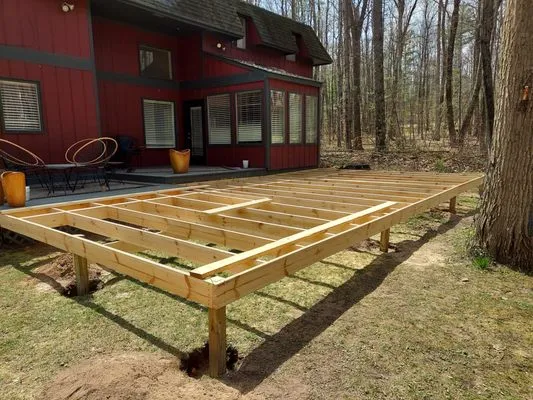
Northern Handyman Services is a trusted local provider in Big Rapids, MI, offering comprehensive home maintenance and repair solutions. We specialize in plumbing services like faucet installation, sho...
Estimated Plumbing Costs in Martiny, MI
FAQs
Does hard water from a private well damage water heaters?
Absolutely. Hard water causes scale—a cement-like mineral buildup—inside the tank of your water heater. This insulating layer makes the heater work harder, increasing energy bills, and can overheat the bottom element, causing premature failure. For electric heaters, we often find the lower element buried in scale and burnt out. An annual flush helps, but the scaling is cumulative.
How long does it take a plumber to get to Martiny from a nearby town?
From a shop near Martiny Lake, the dispatch route typically heads out on M-66. That stretch can be straightforward or slowed by farm equipment and winter conditions. A 45 to 60 minute response window is standard for a service call, accounting for gathering the right parts on the truck for older copper systems before we head your way.
Do I need a permit to replace my water heater or re-pipe my house?
Mecosta County Building Department requires permits for water heater replacements and any major re-piping. As a Master Plumber licensed by the Michigan Department of Licensing and Regulatory Affairs, I pull those permits, schedule the inspections, and ensure the work meets all current code. My license means I handle that red tape; your job is to have hot water and a sound system.
What's the most important thing to do for my plumbing before a deep freeze?
Disconnect and drain your garden hoses. That's the single most effective action. A forgotten hose allows water to stay trapped in the exterior bib, which freezes and splits the pipe inside your wall. For a Snow Belt area like ours, where lows hit 12°F, this simple step prevents a common and costly spring thaw discovery when that split pipe finally thaws and leaks.
Why do I keep getting pinhole leaks in my copper pipes?
Pinhole leaks in 44-year-old copper are often due to a process called pitting corrosion. Our well water's specific mineral content, combined with the pipe's age, creates localized spots where the copper degrades from the inside out. It starts microscopically and eventually penetrates the wall. This isn't a general leak; it's a sign the pipe material is actively failing in certain spots.
My house was built in the 1980s. Should I be worried about the plumbing?
Copper pipes installed in 1982 are now 44 years old. In Martiny Township Central, we're seeing a predictable pattern of fatigue. The internal water chemistry over decades causes general wall thinning, and the solder used in joints from that era is a common failure point. It's not an immediate panic, but you should budget for targeted repairs, especially at fixture connections and behind walls that saw the most use.
Could the hilly land around here cause plumbing problems?
The slope of your property directly stresses the main water line from your well. As the ground freezes, thaws, and settles seasonally, that buried line can shift or develop low spots. Over decades, this constant stress fatigues copper joints and fittings. We also see drainage issues where downspout water is directed toward the house foundation, increasing basement dampness and pressure on buried lines.
Are plumbing issues different for a rural home with a well and septic?
Yes, the entire system is your responsibility. A leak doesn't just waste water; it can overload your septic drain field. We always check the well pump's pressure switch and tank when investigating a leak, as continuous running can burn out the pump. There's no municipal water pressure to mask problems, so symptoms like fluctuating pressure or a constantly running pump are your first clues something is wrong.
