Top Emergency Plumbers in Martin Township, MI, 49070 | Compare & Call

There are 234 plumbing companies server in Martin Township MI

Cascade Plumbing is a family-owned Grand Rapids plumbing company with over 25 years of dedicated service to Cascade and the wider Kent County area. Founded by Jon, a proud local father and community m...
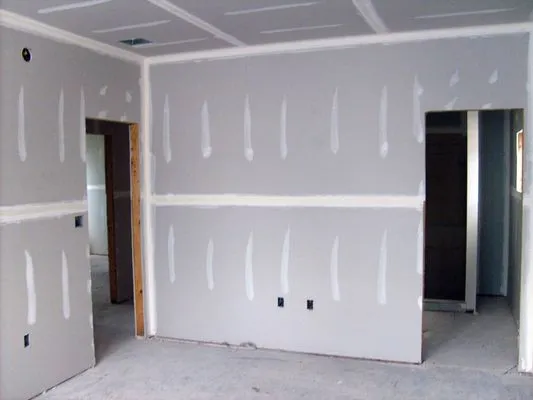
Integrity Handyman Services of West Michigan
Integrity Handyman Services of West Michigan is a female-owned business based in Grand Rapids, dedicated to providing reliable home maintenance and repair solutions across West Michigan. We approach e...

Grapids Home Services
For over two decades, Grapids Home Services has been a trusted name in Grand Rapids, founded by Nathan Engelsma in 1999. With Nate's extensive experience and a team of NATE and Nexstar certified techn...
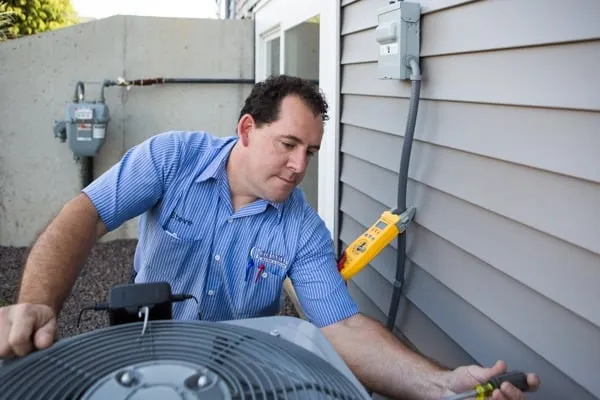
Godwin Plumbing & Hardware
Godwin Plumbing & Hardware has been a trusted name in West Michigan since 1955, built on generations of local service. We are a family of experts with over 90 years of combined experience, dedicated t...

Budget Plumbing has been a trusted name in Hudsonville and the surrounding communities for over 45 years. This locally owned and operated business is built on a foundation of reliability and honesty, ...
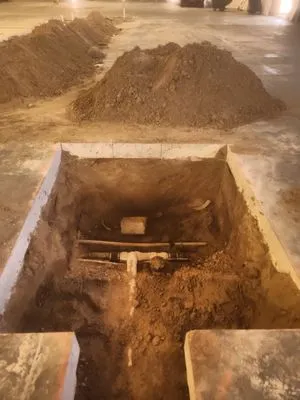
VerBurg Plumbing Service, based in Allegan, MI, is a full-service plumbing company owned and operated by a master plumber with over 34 years of experience. We provide reliable solutions for residentia...
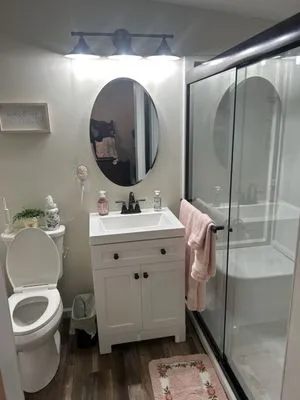
Fix It All Plumbing is your trusted local plumbing expert serving Reed City, MI and surrounding areas. We provide comprehensive plumbing services including bathtub, drain, faucet, garbage disposal, ga...

Brian O'Reilly Plumbing Services is a trusted local plumbing company serving Byron Center, MI, and surrounding areas. With years of experience, we specialize in a wide range of services including bath...
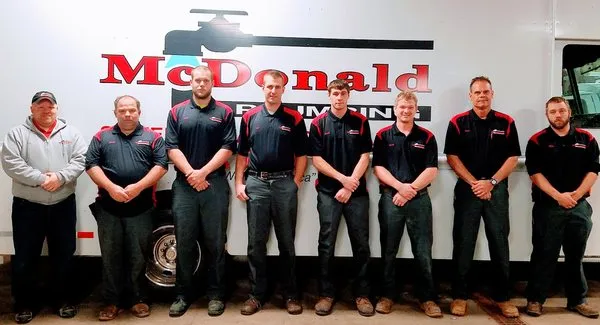
McDonald Plumbing has been a trusted plumbing contractor in Grand Rapids since 1955, founded by Ed McDonald and now continued by his son Scott. Specializing in sewer and water systems, the company has...
Alpine Plumbing is a trusted, locally-owned plumbing service serving Comstock Park and the broader Grand Rapids metro area. Founded in 2003 by owner Patrick Smith, the company brings over 25 years of ...
Estimated Plumbing Costs in Martin Township, MI
Frequently Asked Questions
My Martin Village home was built around 1981—what should I expect from my plumbing now?
Copper pipes installed in 1981 are now 45 years old. At this age, homeowners in Martin Village often notice pinhole leaks developing in hot water lines or at joints. The copper has endured decades of water flow and mineral interaction, which thins the pipe walls over time. You might see small drips behind walls or under sinks that weren't there before. This is a typical lifespan issue, not a sign of poor installation.
As a rural homeowner with a septic system and well, what plumbing maintenance is unique to my situation?
Rural settings with septic and well systems require attention to both supply and waste lines. Septic tanks need periodic pumping to prevent backups into your home, while well components like pressure tanks and pumps should be checked for wear. Hard water from private wells accelerates scale buildup, so monitoring water quality is key. These factors make proactive maintenance more critical than in municipal-connected homes.
What should I do to prepare my plumbing for winter in this Snow Belt area?
With lows around 15°F and spring thaw peaks, insulate exposed pipes in unheated areas like basements or crawl spaces. Drain outdoor spigots before freezing weather hits to prevent bursts. Keep cabinet doors open to allow warm air to circulate around pipes during cold snaps. These steps reduce the risk of emergencies when temperatures drop suddenly in our climate.
How does hard water from my private well affect my plumbing fixtures?
Hard water in Martin Township contains high mineral content that causes scaling inside pipes and appliances. Over time, scale buildup reduces water flow, strains water heaters by insulating heating elements, and clogs faucet aerators. For private wells, this is compounded by lack of municipal treatment. Installing a water softener can mitigate damage and extend the life of your water heater and fixtures.
Why do my copper pipes keep springing leaks in my 1980s home?
Copper pipes from 1981 often develop pinhole leaks due to corrosion and scale buildup inside the lines. Over 45 years, water chemistry and flow wear down the copper, creating weak spots that eventually perforate. Joint calcification can also stress connections, leading to failures. These issues are common in older systems and typically require section replacement rather than just patching.
Who handles permits and regulations for plumbing work in Martin Township?
I manage all necessary permits through the Martin Township Clerk Office and maintain credentials with the Michigan Department of Licensing and Regulatory Affairs. This includes compliance with local codes for well, septic, and plumbing modifications. By handling the red tape, homeowners avoid delays and ensure work meets state and township standards. You can focus on the project outcome without bureaucratic hurdles.
How quickly can a plumber reach my home in Martin Township?
Heading past Rabbit River on US-131, our dispatch route covers most of the township within 45 to 60 minutes. We factor in rural road conditions and traffic patterns to provide reliable arrival times. For urgent calls, we prioritize direct routes to minimize delays. This timing ensures we can address emergencies like burst pipes or water heater failures promptly.
Does the flat terrain near Rabbit River cause drainage problems for my home's plumbing?
Plain terrain around Rabbit River can lead to poor drainage, putting stress on your main sewer line. Without natural slope, water and waste may not flow efficiently, increasing the risk of backups or pipe settling. Soil compaction over time can also shift pipes, causing misalignments or cracks. Regular inspections help identify issues before they become major problems in this landscape.
