Top Emergency Plumbers in Marshall, MI, 49068 | Compare & Call

There are 51 plumbing companies server in Marshall MI
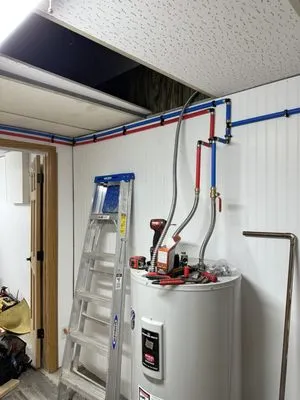
Advantage Plumbing & Drain
Founded in 2004 by licensed Master Plumber Ryan, Advantage Plumbing & Drain serves Hastings, MI, with comprehensive residential and commercial plumbing solutions. As a certified plumbing contractor an...
Whitney Services, led by master electrician Tim, has been a trusted name in Kalamazoo for plumbing, electrical, and HVAC needs. Founded on integrity and professionalism, Tim’s positive approach ensure...
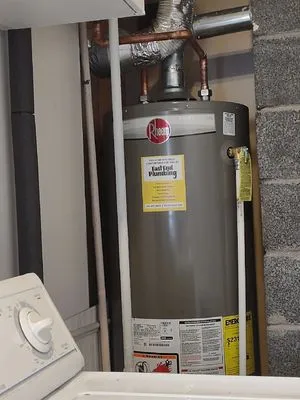
East End Plumbing is a trusted local plumbing company serving Kentwood and the surrounding communities. We specialize in a wide range of residential plumbing services, from emergency repairs to full i...

LDA Construction is a trusted, full-service handyman and contracting company serving Nashville, MI, and the surrounding Barry County area. We understand that local homeowners frequently face urgent pl...

Elite Pipeline Services
Elite Pipeline Services is a family-run business established in Allendale, MI, in 2005. We specialize in trenchless sewer repair and pipeline rehabilitation, offering residents and businesses a way to...
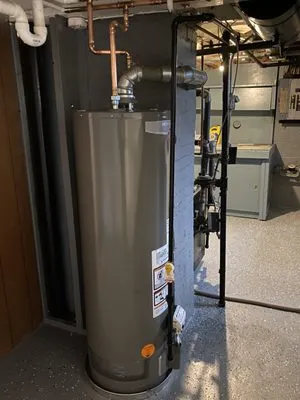
AB & RD Management Group is a trusted, full-service provider for Lansing, MI, handling everything from emergency plumbing repairs to complete kitchen and bathroom remodels. Our team brings a professio...
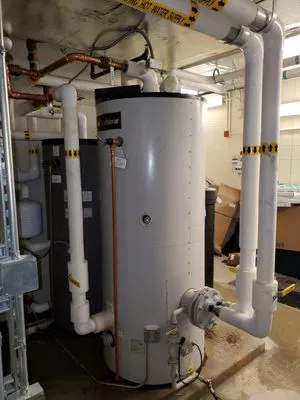
Wilcox Plumbing and Piping
Wilcox Plumbing and Piping is a locally-owned plumbing service in Scotts, MI, with nearly four decades of combined experience. Founded by two skilled plumbers who previously served top contractors acr...
Quality Plumbing And Drain
Quality Plumbing And Drain is a trusted, full-service plumbing company serving Battle Creek, MI, and the surrounding areas. We specialize in addressing the common plumbing challenges faced by local ho...

For five years, JL Services has been a trusted home services provider in Battle Creek, MI, dedicated to helping local residents maintain and repair their homes. We take pride in every job, from applia...

Rooney's Sewer Service is a locally owned and operated plumbing and sewer specialist serving Jackson, MI since 1993. Founded by Mike Rooney, the business has been a trusted name in the community for d...
Estimated Plumbing Costs in Marshall, MI
Frequently Asked Questions
Does Marshall's hard water damage water heaters?
Yes, the mineral content from the Kalamazoo River aquifer leads to rapid scale buildup inside tank water heaters. This sediment layer acts as an insulator, forcing the heating element to work harder and significantly reducing the unit's efficiency and lifespan. For tankless models, scale can clog the narrow heat exchanger channels, causing overheating and failure. Installing a whole-house water softener is the most effective defense to protect this major appliance.
Why do my old pipes keep springing pinhole leaks?
Galvanized steel pipes installed in 1953 corrode from the inside, a process accelerated by our hard water. This corrosion creates thin, weak spots in the pipe wall that eventually fail as pinhole leaks. The problem often starts at the threaded joints, where scale and rust buildup cause stress fractures. Replacing a single leaking section rarely solves the issue, as the entire pipe run is likely in the same deteriorated condition.
Do I need a permit to replace my water heater or re-pipe my house?
Most major plumbing work in Marshall requires a permit from the City Building Department to ensure it meets current code for safety and insurance purposes. As a Master Plumber licensed by the Michigan Department of Licensing and Regulatory Affairs, I pull those permits, schedule the required inspections, and handle all the paperwork. My credential means the work is documented correctly, which protects your home's value and simplifies any future sales process.
Could the flat land around my house cause plumbing problems?
The relatively plain terrain in areas like near the Honolulu House can complicate drainage. With minimal natural slope, water from downspouts or surface runoff has nowhere to go, so it pools around your foundation. Over time, this saturated soil puts constant hydrostatic pressure on your basement walls and can stress the main sewer line exiting your home, leading to potential cracks, leaks, or infiltration during heavy rains.
Our house was built in the 1950s. Should we be worried about the plumbing?
Homes built around 1953 now have galvanized steel pipes that are 73 years old, which is well beyond their expected 50-year lifespan. In the Marshall Historic District, we're seeing these pipes fail from the inside out due to rust and mineral buildup. Homeowners often notice a significant drop in water pressure or discolored water from the tap. Complete pipe blockages or sudden leaks behind walls are the next, more expensive stage of this failure.
How quickly can a plumber get to my house in Marshall?
A local dispatch from our shop follows a predictable route. Heading past the Honolulu House to the I-69 on-ramp provides the fastest access to most neighborhoods in town. From there, it's typically a 20 to 30 minute trip to your door, depending on your exact location off the highway. We factor in local traffic patterns to give you an accurate arrival window.
We're on a well and septic system. What maintenance is critical?
For well systems, annual water testing for bacteria and checking the pressure tank's air charge are essential. With septic, the key is regular pumping every 3-5 years, depending on household size, to prevent solids from flowing into the drain field and causing a costly failure. Avoid using garbage disposals excessively, as they add significant solids to the tank. These systems operate independently from the city, so proactive maintenance is your responsibility.
What's the most important thing to do to my pipes before winter in Marshall?
Disconnect and drain your outdoor garden hoses every fall. A hose left connected traps water in the faucet's interior valve, which will freeze and crack the brass body when temperatures hit our typical lows around 17°F. This crack often goes unnoticed until the spring thaw, when you turn the water back on and find a flood in your basement or crawl space. It's a simple five-minute task that prevents one of our most common seasonal service calls.
